
Fall Prevention Physical Therapy
Fall prevention physical therapy that improves balance, rebuilds strength, and retrains how you walk — so an unsteady moment doesn’t become a fall.
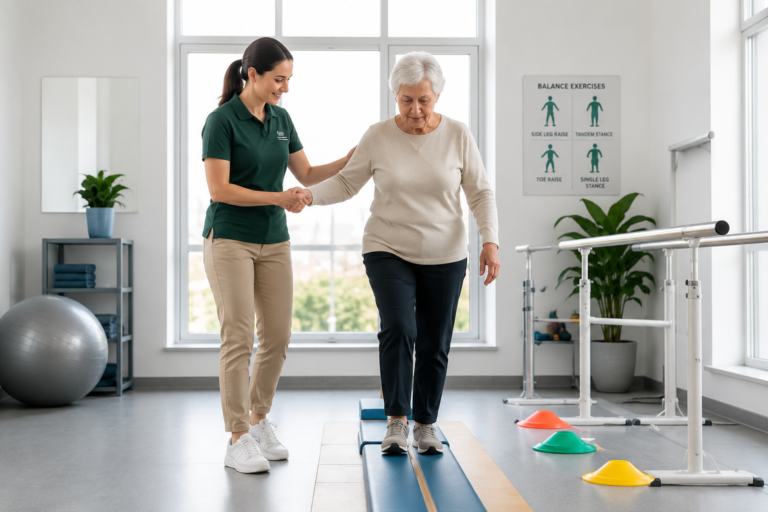
Most people book fall prevention physical therapy after a near-miss, not a fall. A hand shoots out for the counter. A curb feels higher than it used to. Those moments are the warning, and they are when therapy does the most good. Advance Physical Therapy has treated Texas patients since 1999. The goal is not to make you careful — it is to make you steady enough that you need not be.
Call the clinic nearest you to book a fall risk assessment.
Fall prevention therapy finds why your balance is slipping and trains it back, so an unsteady moment does not become a fall.
Available at all eight Advance Physical Therapy clinics in Texas.
Starts with a fall risk assessment: balance and gait testing, leg strength, medication review.
No physician referral needed. Most major health plans accepted, including Medicare.
What fall prevention physical therapy involves
It is a targeted program that identifies your specific fall risk factors and trains the systems keeping you upright. It is not a generic exercise class.
Balance is not one thing. It is your inner ear, your vision, the sensation in your feet and the strength in your hips and ankles, all reporting to your brain at once. When one input weakens, the others compensate until they cannot — which is why two people with the same diagnosis need different programs. Fall risk management here means treating the weak link, not handing out a sheet of exercises.
Signs you should be Evaluated


You reach for furniture or walls crossing a room.

Stairs, curbs or uneven ground feel risky.



You take four or more daily medications, or a blood pressure, sedative or antidepressant.
That last one surprises people. Medication side effects are among the most fixable fall risk factors, which is why a medication review is part of the assessment.
Your first visit: the fall risk assessment
History and medication review
Your therapist asks about past falls and near-misses, what you were doing at the time, what you have stopped doing since, and what medications you take. This often reveals more than any single test.
Balance, gait and strength testing
We use validated measures such as the Timed Up and Go and the Berg Balance Scale. You will walk, turn, stand with feet together and shift weight while your therapist watches for compensations you have stopped noticing. Hip and ankle strength, ankle mobility, foot sensation and eye tracking are checked too, because a fall usually has more than one cause. That gives us starting numbers to track progress against.
Not sure whether you need this yet? One evaluation answers it either way.
What treatment looks like
Balance training physical therapy

Gait training physical therapy
Gait training means retraining how you actually walk. Your therapist breaks down step length, foot clearance, cadence and turning, then rebuilds the pattern. Shuffling, a shortened stride or hesitation on turns are common, correctable, and a real source of trips. This is also where walking retraining after injury or surgery happens, once the old pattern no longer works.

Leg and core strengthening
Assistive device training

Home safety and a home program
Insurance, referrals, and paperwork
This treatment is billed under standard physical therapy codes, so if your plan covers outpatient physical therapy, this usually is too.
Medicare covers physical therapy for balance and mobility when medically necessary, and we verify your benefits before the first visit. Texas patients can also be evaluated without a physician referral.
Why patients choose Advance Physical Therapy
Assessment before exercises
Every program starts from measured findings, so your therapist knows the weak link from day one.
26 years, 25,000 patients
We opened in Bryan-College Station in 1999 and have treated more than 25,000 Texas patients since, now across eight clinics.
Hands-on and evidence-based
Manual therapy for stiff ankles and hips is combined with progressive balance and gait work, following fall prevention guidance published in the Journal of Geriatric Physical Therapy.
Family included
If a spouse or adult child helps at home, they are welcome in sessions so they can support the program safely.
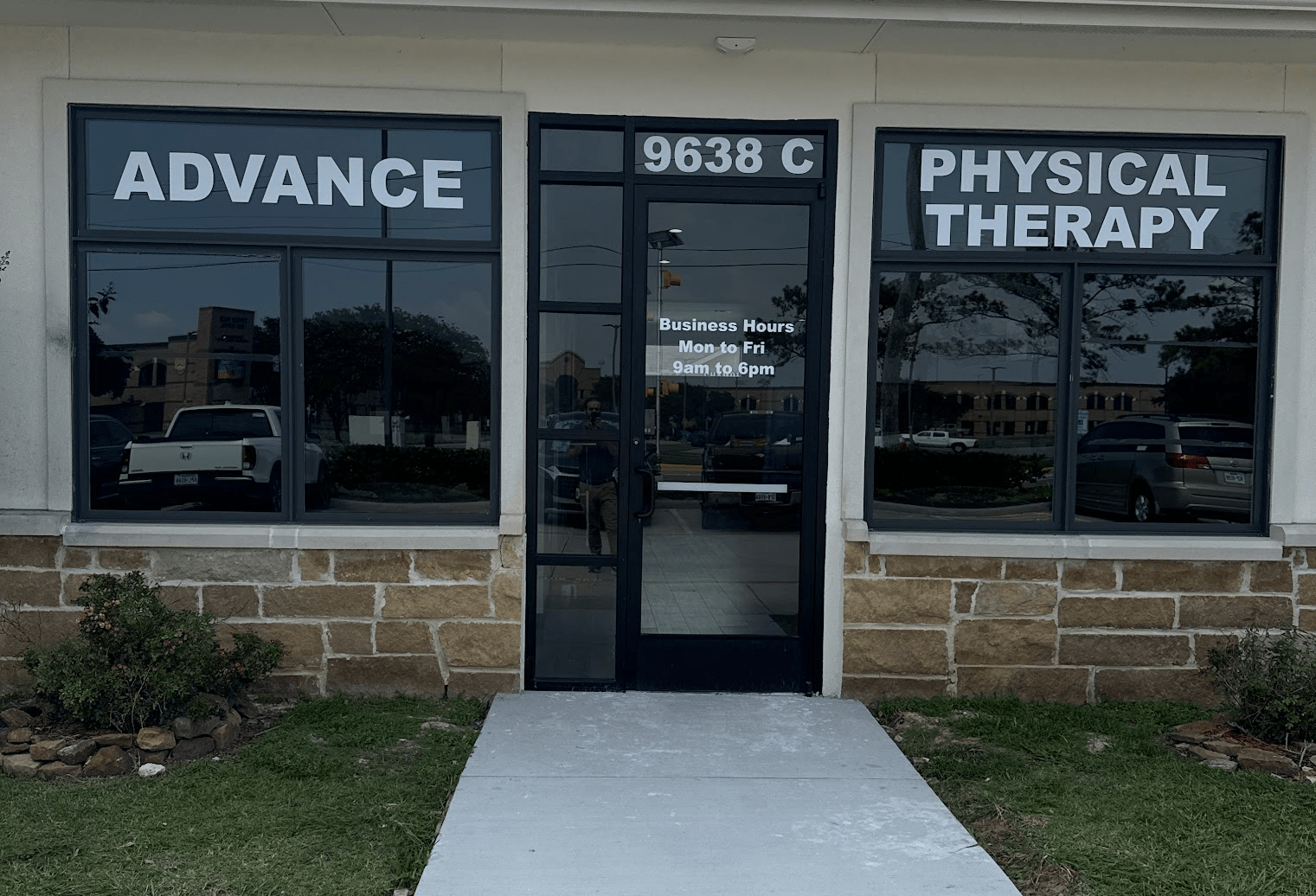
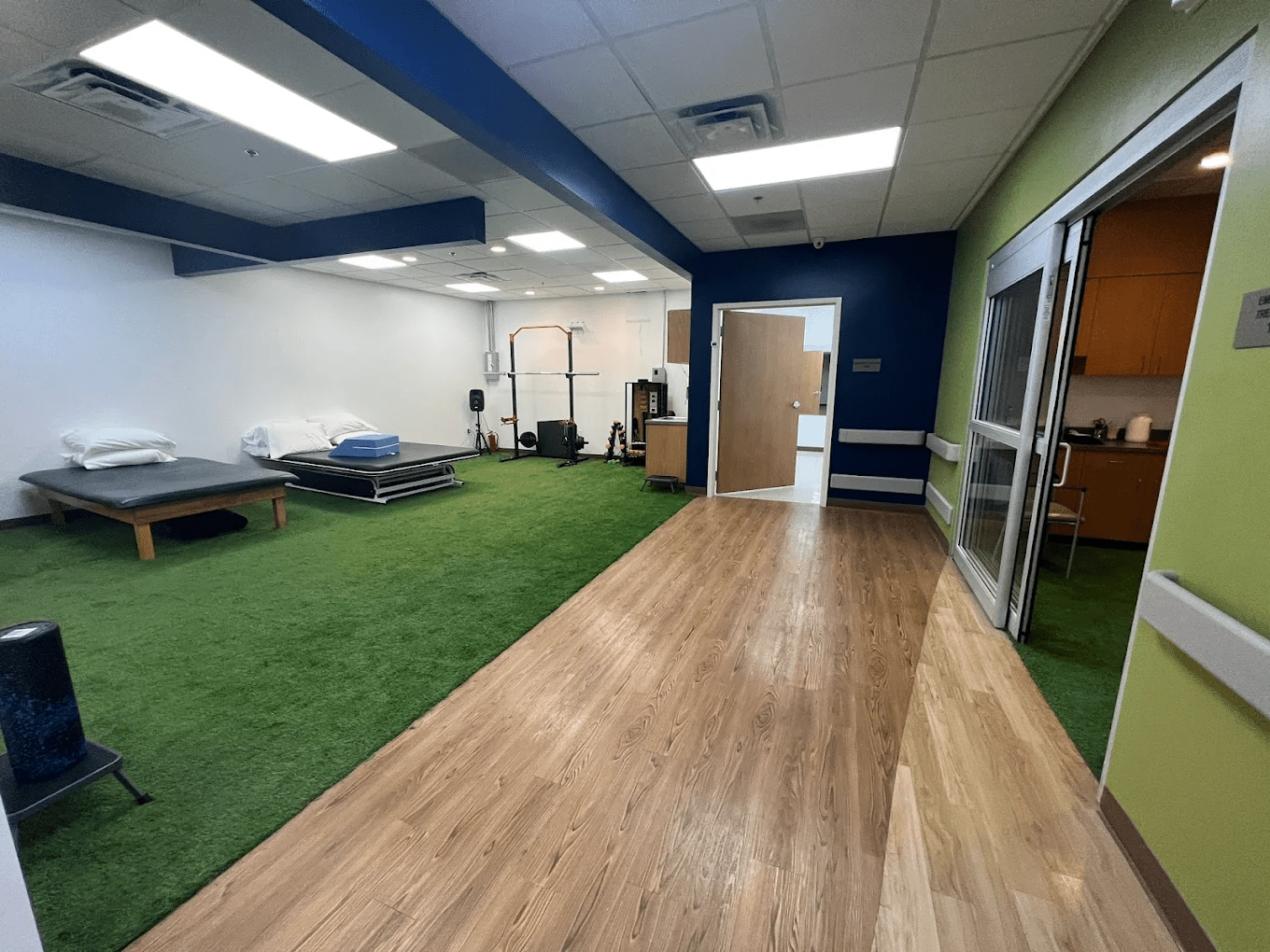
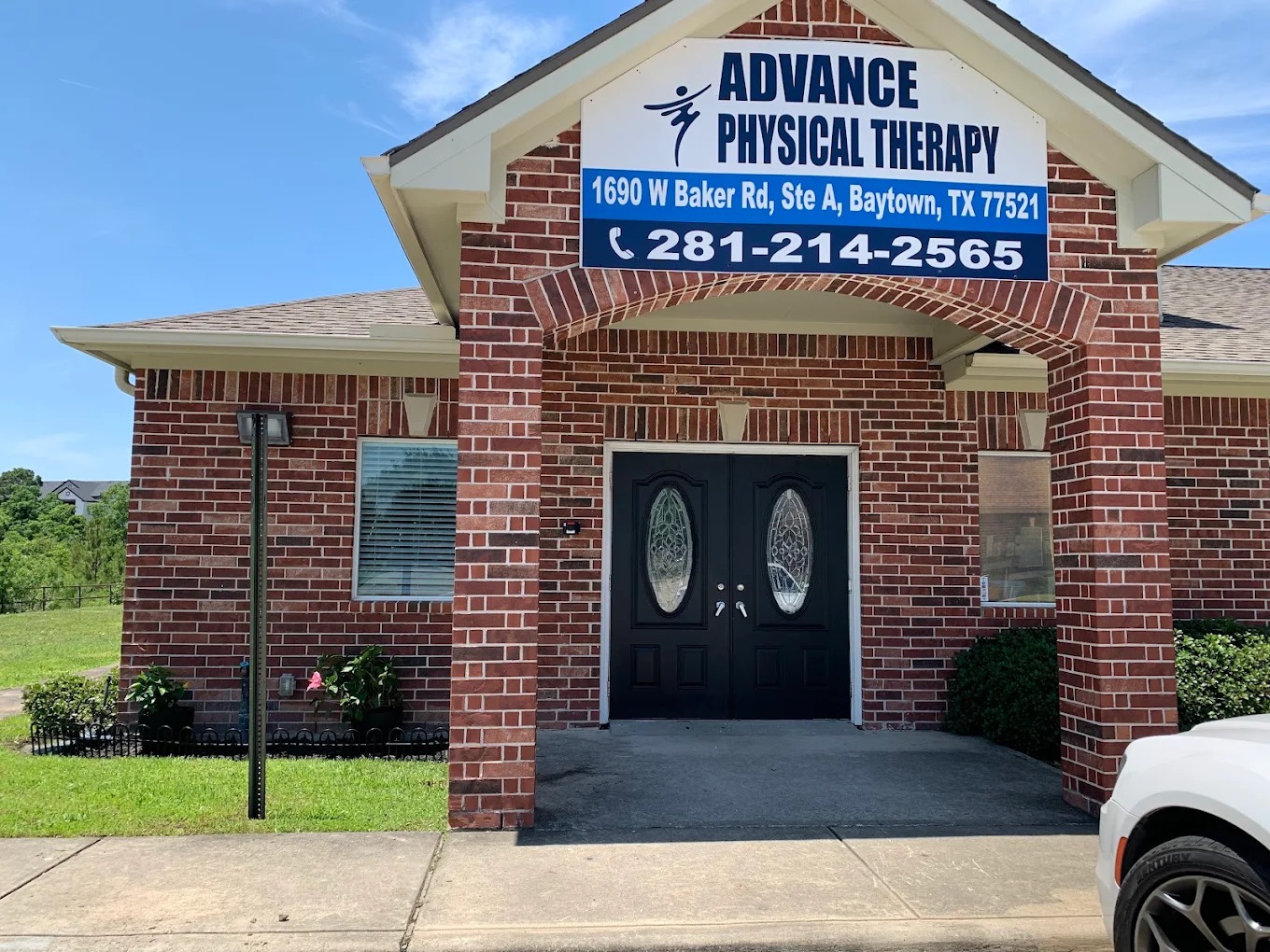
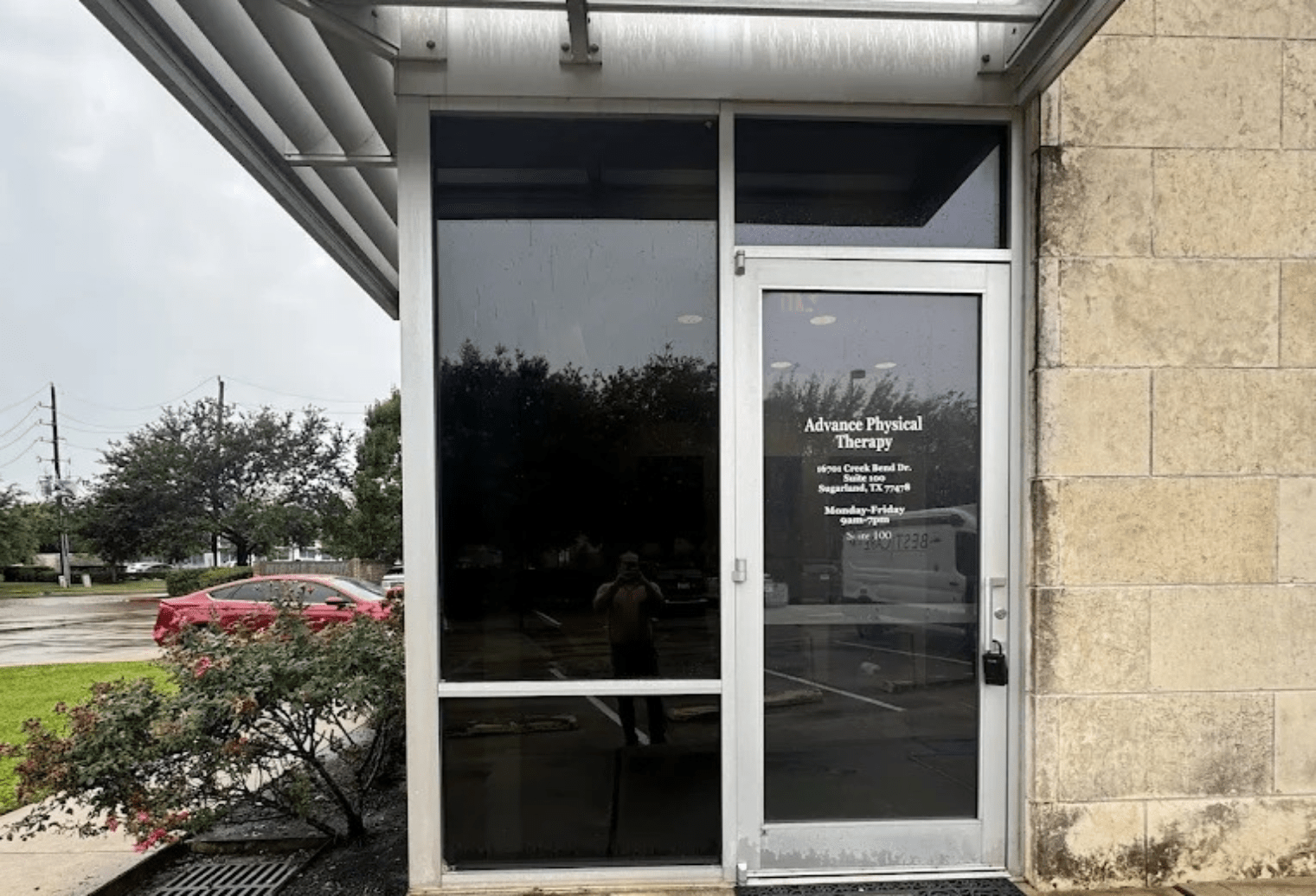
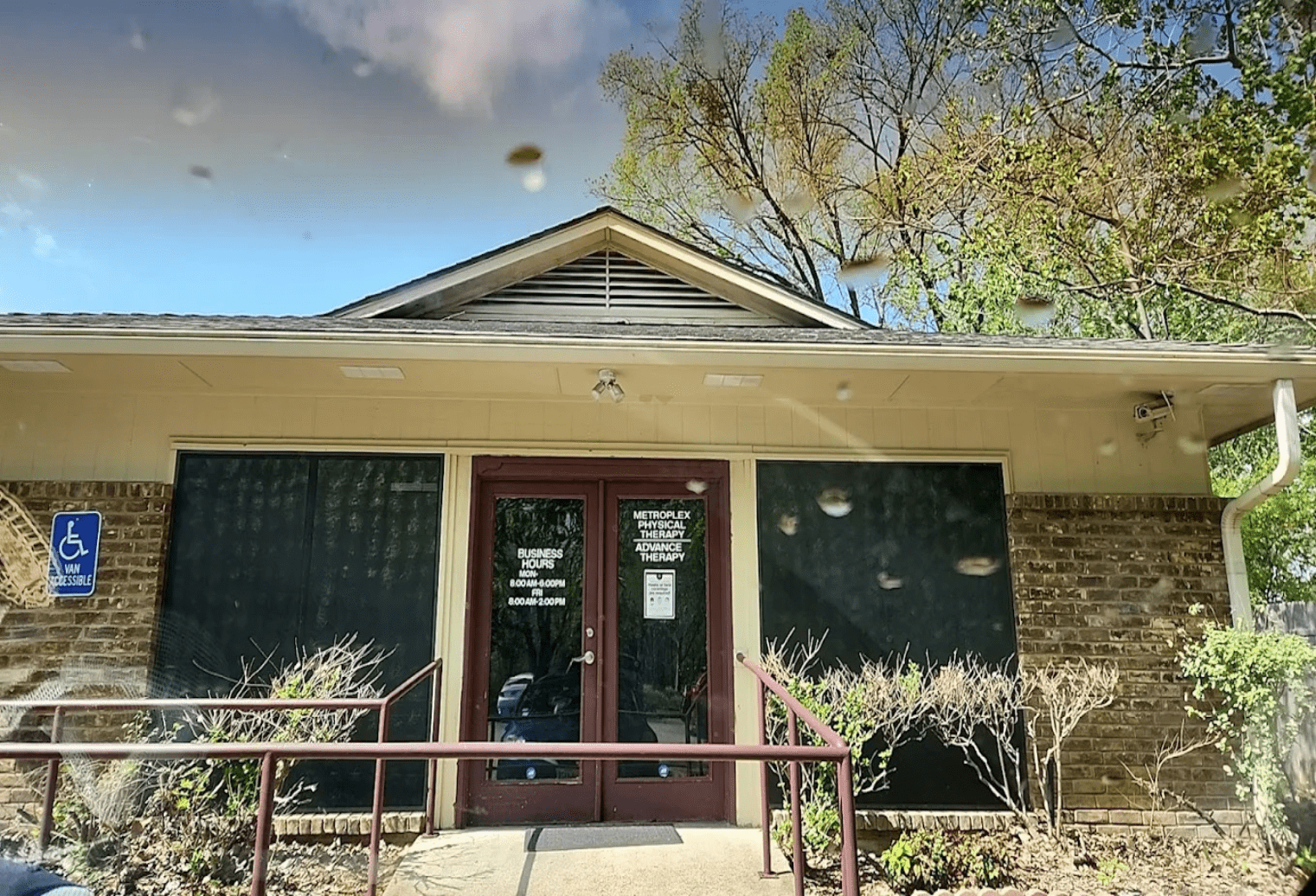
Find fall prevention therapy near you



Frequently Asked Questions.
What happens during a fall risk assessment?
Do I need a referral for fall prevention physical therapy in Texas?
Does Medicare cover fall prevention physical therapy?
How long does a fall prevention program take?
Is it too late if I have already fallen?
Book a Fall Prevention Physical Therapy Today
If you have started reaching for furniture to cross a room, that is exactly when therapy works best. Call the clinic nearest you.