
-
Shoulder
Shoulder
Pain, stiffness, an injury that won’t heal — if it’s keeping you from moving normally, we likely treat it. Here are the conditions we see most across our 8 Texas clinics. No referral needed to start.
You reach for the seatbelt and feel a sharp catch at the front of your shoulder. Or you wake up at 3 a.m. because you rolled onto that side again. Most people wait it out, hoping it settles. Sometimes it does. Often it doesn’t, and the stiffness starts creeping into the neck and upper back.
Physical therapy for shoulder pain gives you a clear answer about what’s actually irritated, plus a plan to fix it without surgery wherever that’s possible. At Advance Physical Therapy, we’ve treated shoulder problems across Texas since 1999 — rotator cuff injuries, frozen shoulder, arthritis, and pain that showed up after a crash. Below you’ll find the common causes, what treatment looks like, and how to get started at one of our eight clinics.
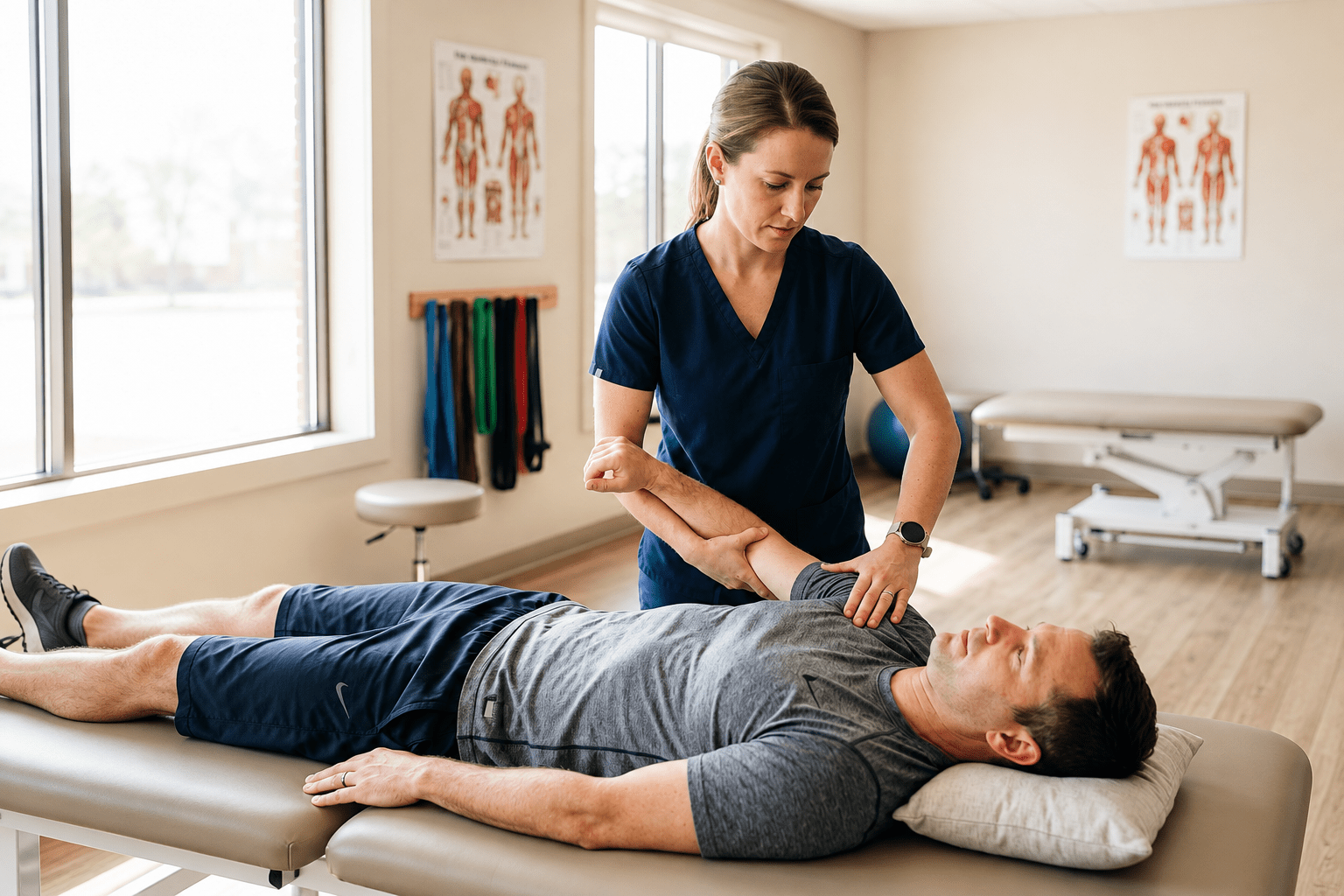
What Physical Therapy for Shoulder Pain Involves
• Manual therapy: joint mobilization and soft tissue work to get motion back.
• Rotator cuff and shoulder blade strengthening: bands, light weights and controlled movements that progress as you improve.
• Range-of-motion work: getting your arm back overhead and behind your back.
• Dry needling, where it fits: settles tight, tender knots in the muscles around the shoulder and neck.
• Posture and activity changes: how you sleep, sit at a desk, or lift groceries and kids.
For most people, this is the first-line non-surgical shoulder treatment. If your shoulder needs imaging or a surgeon’s opinion, we’ll tell you. And if you’ve already had an operation, our post-surgical rehab picks up from there.
What Causes Shoulder Pain?

Shoulder Osteoarthiritis
View Details
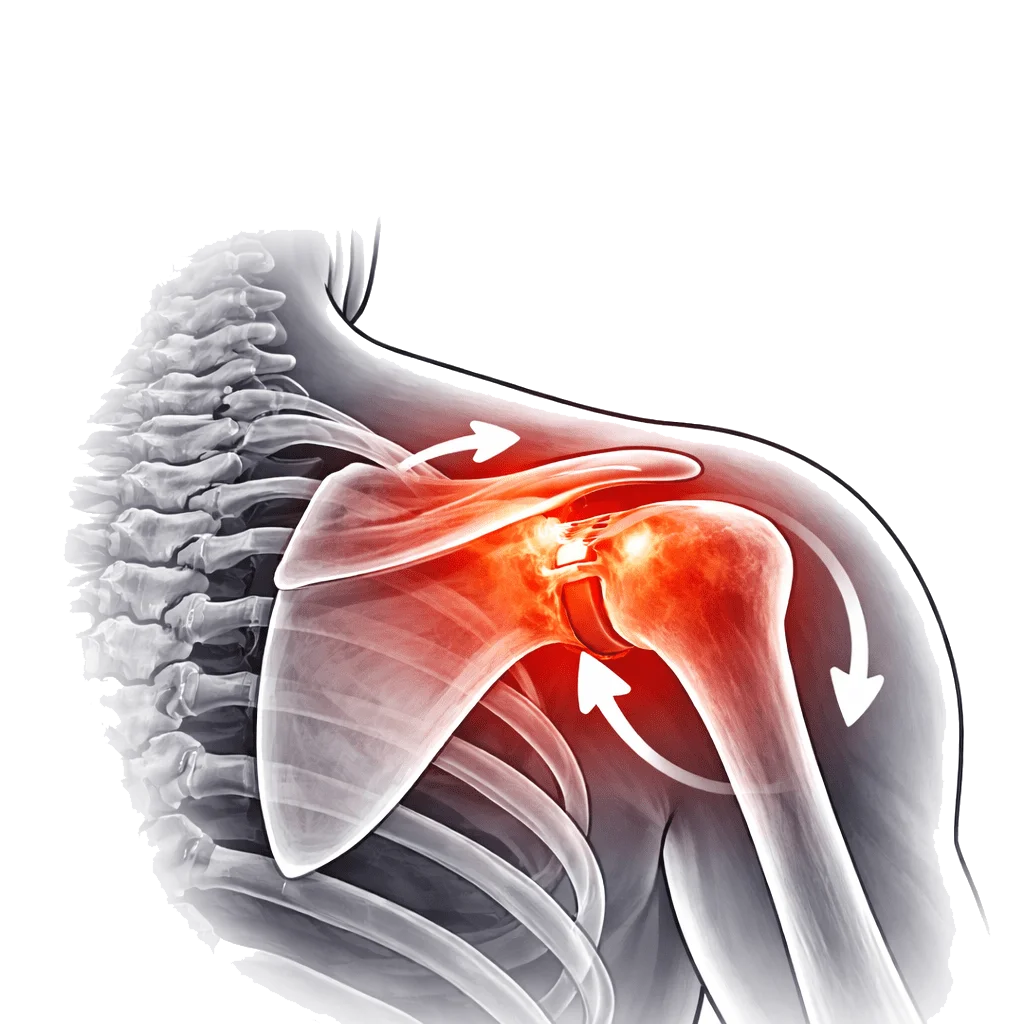
Scapular Dyskinesia
View Details
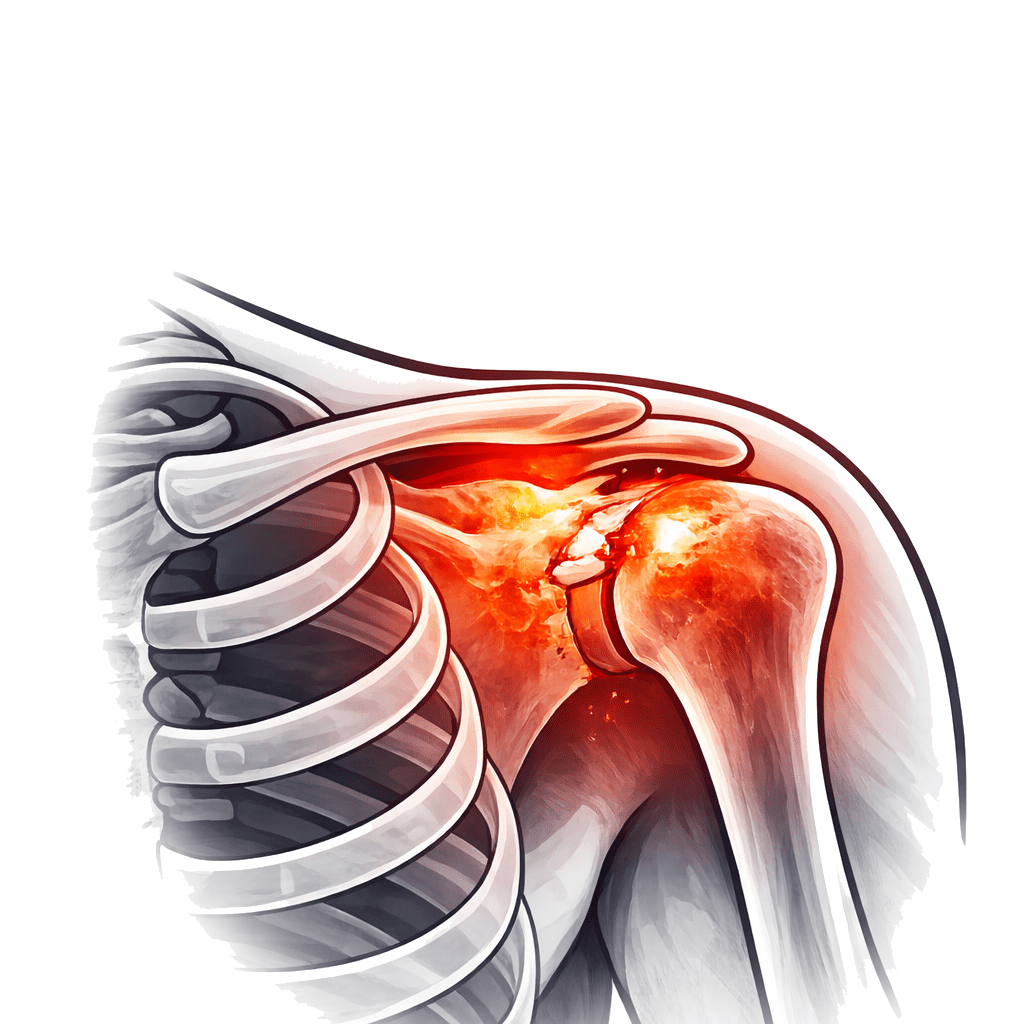
Rotator Cuff Injury
View Details
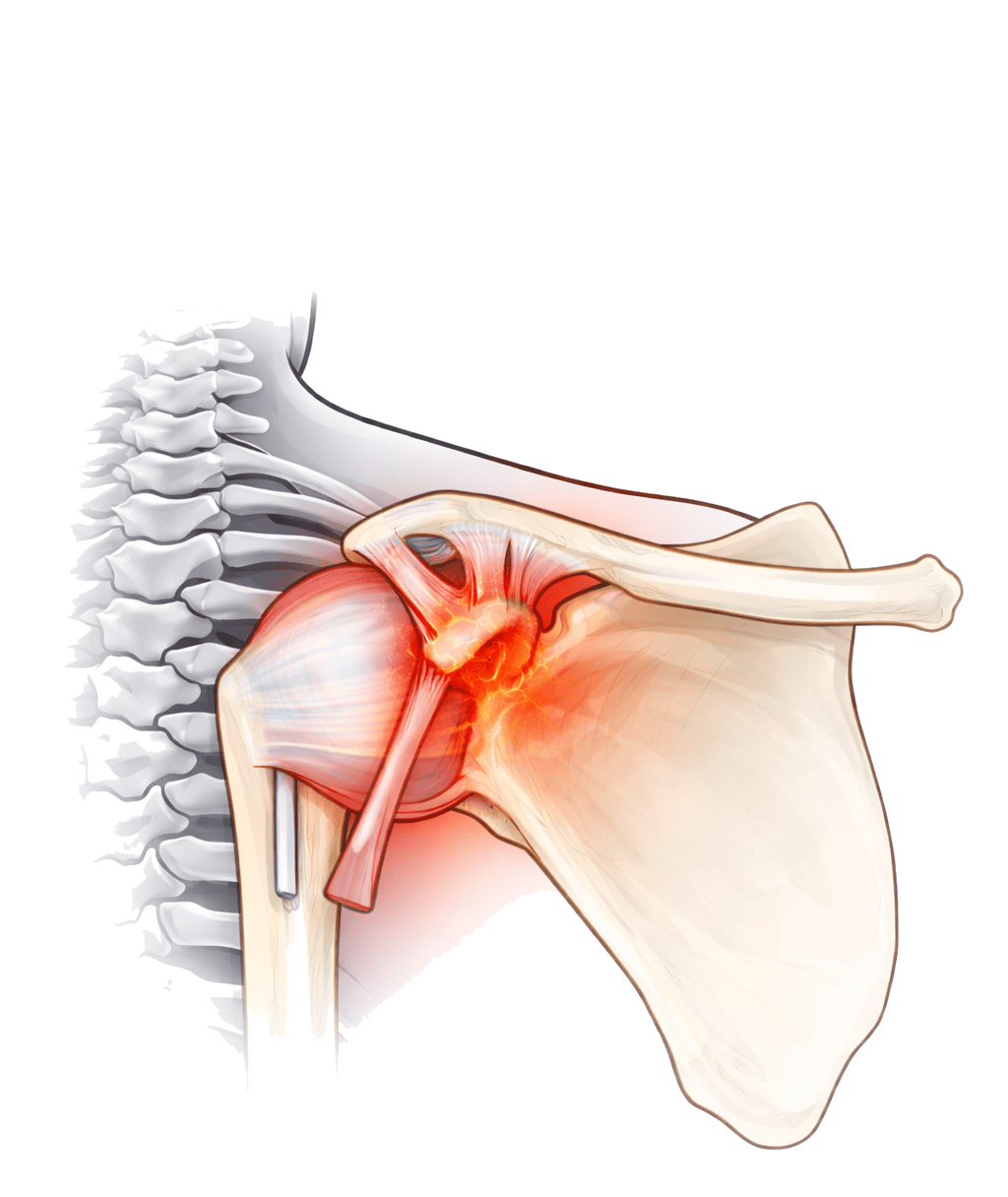
Frozen Shoulder/Adhesive Capsulitis
View Details
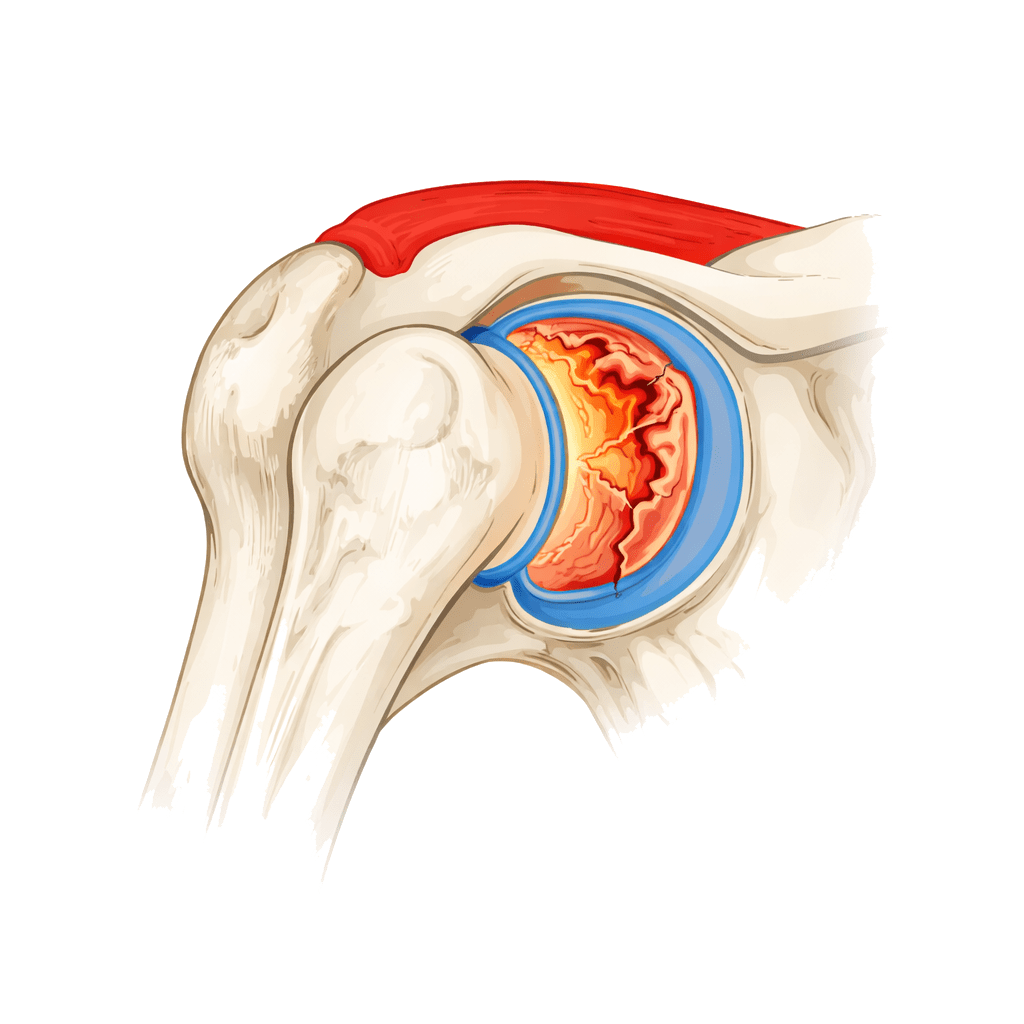
Glenoid Labrum Tears
View Details
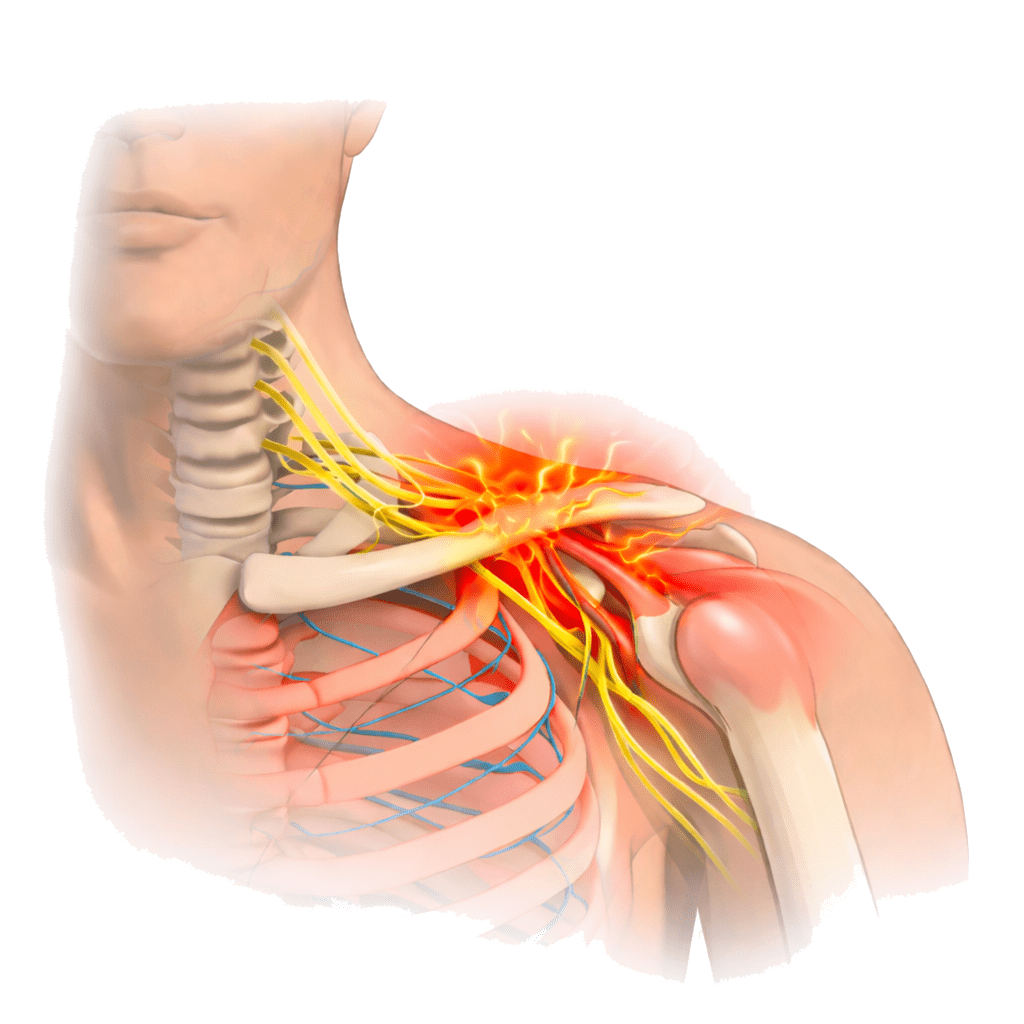
Thoracic Outlet Syndrome
View Details
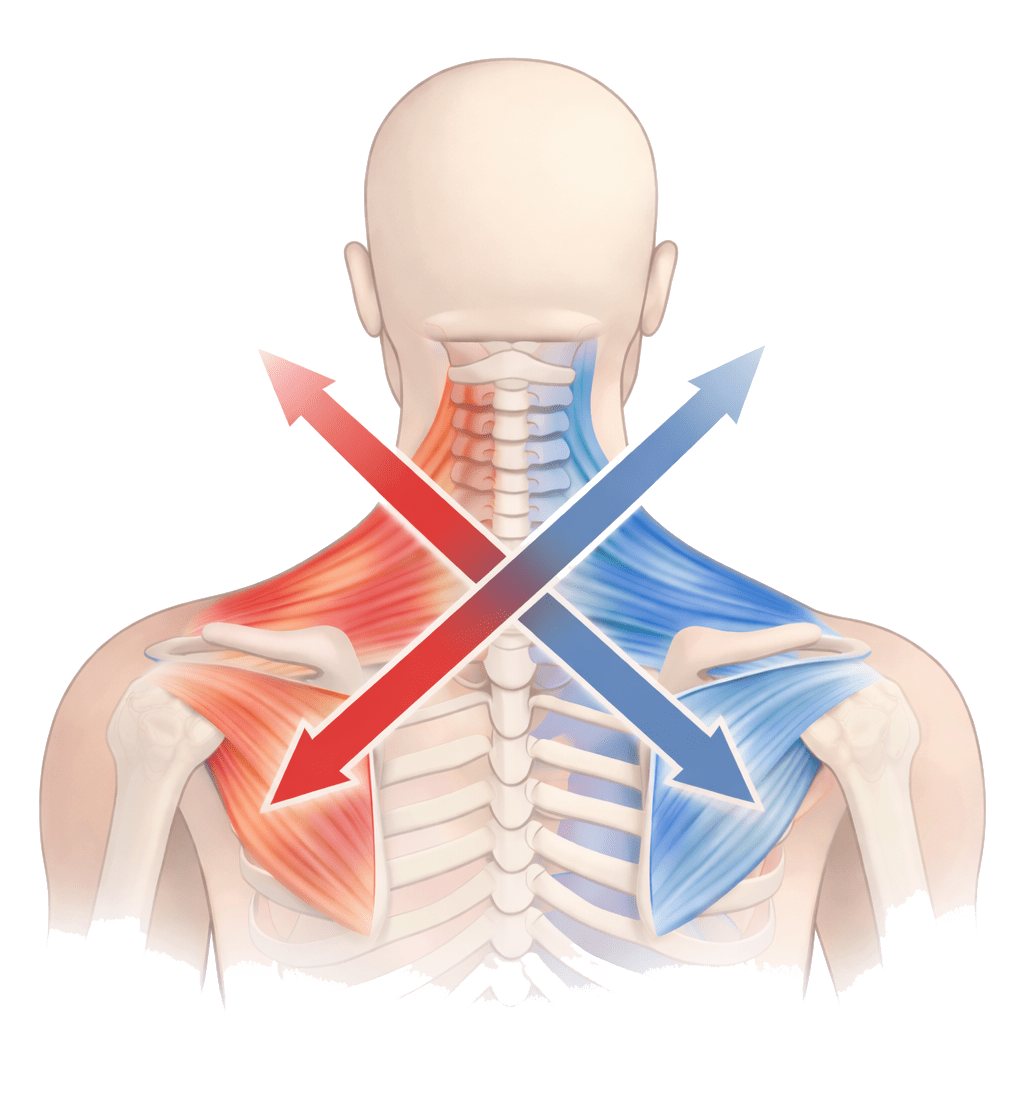
Upper Cross Syndrome
View Details
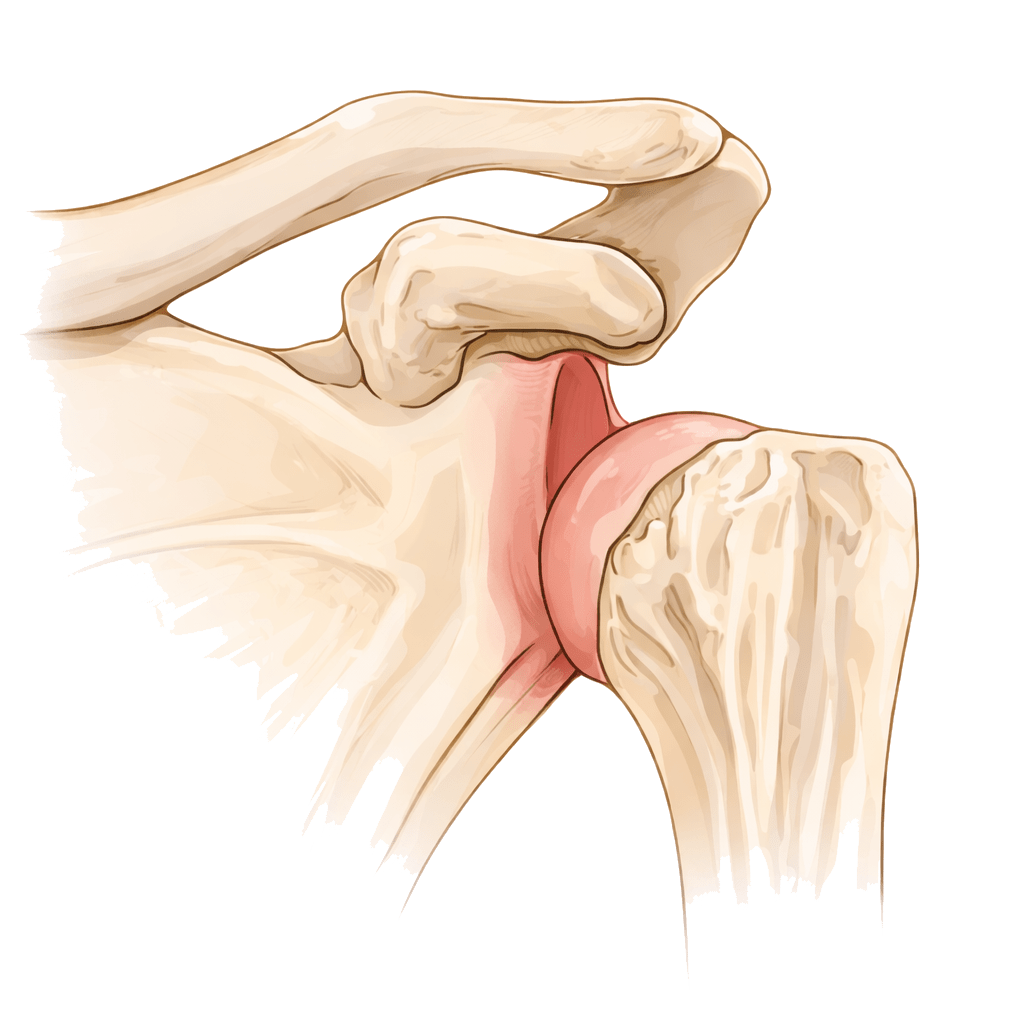
Hill Sachs
View Details
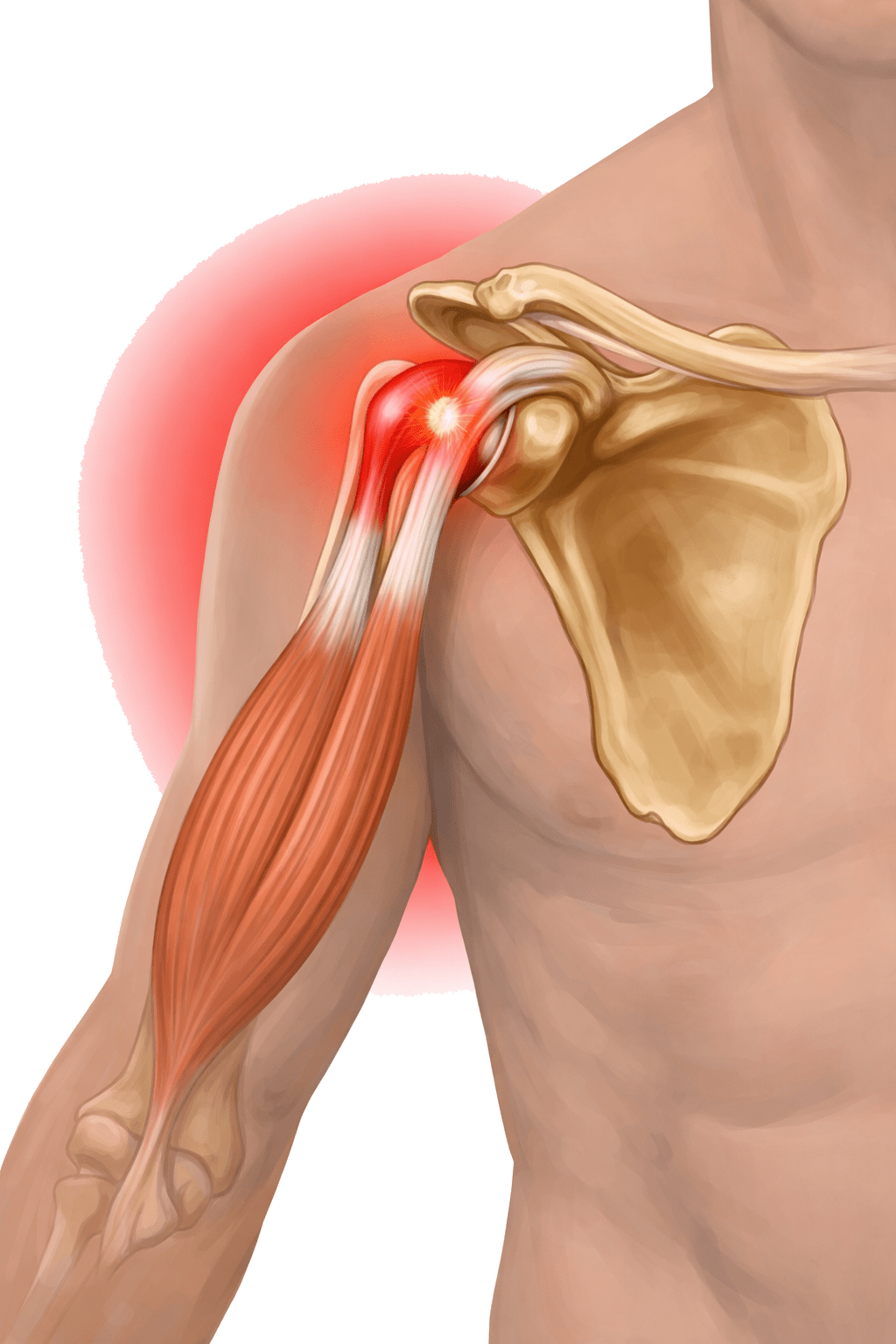
Biceps Tendinitis
View Details
These are the shoulder conditions we treat most often:
Shoulder Pain After a Car Accident
Shoulder pain after a car accident is common, and it often doesn’t show up until a day or two later. The seatbelt loads one shoulder hard, and bracing against the steering wheel can strain the rotator cuff. If your shoulder started hurting after a crash, our auto accident injury treatment program covers the evaluation, the care and the PIP paperwork in one place.
When to Get Your Shoulder Pain Checked
Don’t wait for physical therapy if shoulder or arm pain comes with chest pressure, shortness of breath, sweating or jaw pain — call 911, because those can be heart symptoms. Head to an ER for a visibly deformed shoulder after a fall, a fever with a hot, swollen joint, or sudden loss of strength in the arm.
Your First Visit: What Actually Happens
Your first visit is an evaluation, and it usually includes your first treatment too, so you leave with a plan and something to work on.
1. We talk through your shoulder
When it started, what makes it worse, your job, sports and sleep, plus any imaging or surgery you’ve already had.
2. We test how it moves
Range of motion, rotator cuff strength, shoulder blade control and a quick neck screen, along with specific tests that point toward the tendon, the joint or the labrum.
3. Treatment starts
4. You go home with a plan
A short home program, what to avoid for now, and how often we’d like to see you. If anything suggests you need imaging or a physician’s opinion first, we’ll say so. Shoulder hurting when you reach or sleep?
— no referral needed.

Is Physical Therapy Worth It for Shoulder Pain?
For most shoulder problems that don’t need urgent surgery, yes — physical therapy is the standard first step before injections or surgery come into the conversation. Rest calms a flare-up, but it doesn’t rebuild strength, and weeks of guarding the arm can leave a shoulder stiffer than before. That’s especially true with frozen shoulders.
| Approach | What it does | Where it fits |
|---|---|---|
| Rest and waiting | Lets a flare-up settle | Short term only; long rest can add stiffness |
| Pain medication | Dulls the pain | Doesn't change how the shoulder moves |
| Injection | Calms inflammation for a while | Often used alongside therapy, not instead of it |
| Physical therapy | Restores motion and strength at the source | First line for most non-emergency shoulder pain |
| Surgery | Repairs structural damage | Complete tears, repeated dislocations, or when conservative care hasn't worked |
Approach: Rest and waiting
What it does: Lets a flare-up settle
Where it fits: Short term only; long rest can add stiffness
Approach: Pain medication
What it does: Dulls the pain
Approach: Injection
Approach: Physical therapy
Approach: Surgery
The shoulder conditioning program published by the American Academy of Orthopaedic Surgeons follows the same idea: stretching plus rotator cuff and shoulder blade strengthening, progressed over several weeks. The difference in the clinic is that a therapist picks the right exercises for your shoulder and adjusts them as you go.
Insurance, PIP and Referrals
• Health insurance: we work with most major plans and will help you check your benefits before you start.
• Car accident: Personal Injury Protection (PIP) pays for treatment regardless of who caused the crash, and we support attorney lien and Letter of Protection (LOP) arrangements.
• Self-pay: available if you’re between plans or would rather pay directly.
Have a question about your plan? Our insurance coverage options page covers the details.
Shoulder Pain Treatment in Houston, Sugar Land and Across Texas
If you’re looking for physical therapy for shoulder pain in Houston, our East Houston clinic offers bilingual care — se habla español. Patients who want shoulder pain treatment in Sugar Land can come straight to our Sugar Land clinic, no referral required. Anywhere else in the state, find the clinic nearest you.
Why Patients Choose Advance Physical Therapy for Shoulder Care
You can start without a referral
Hands-on care, backed by evidence
26+ years and 25,000+ patients
We’ve been doing shoulder pain physical therapy in Texas communities since 1999, and we’ve seen just about every way a shoulder can go wrong.