

Early Physical Therapy for Whiplash: Why It Matters for Faster Recovery
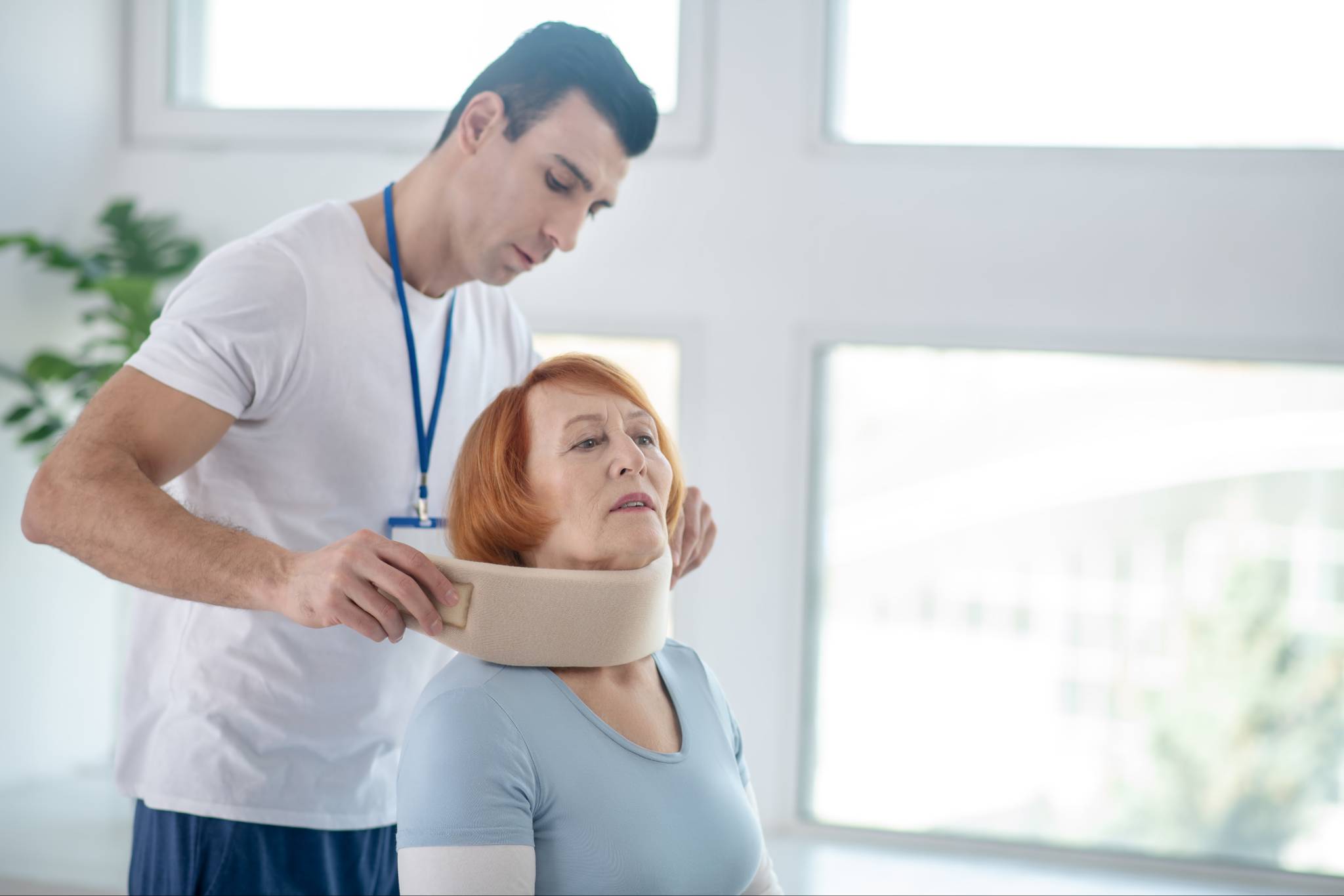
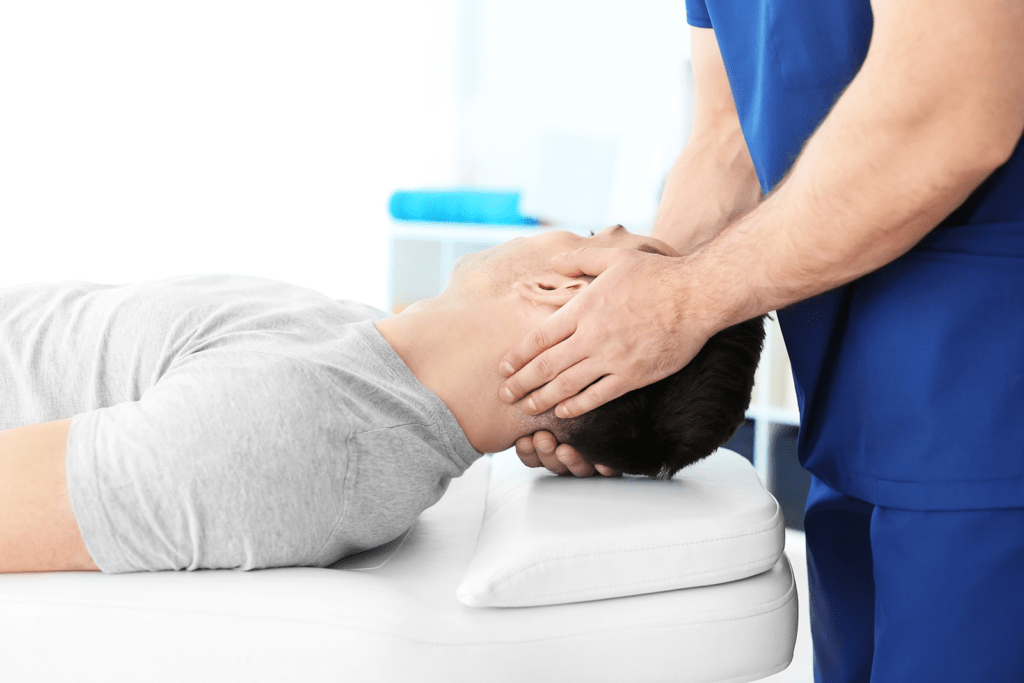
Early physical therapy is one of the most effective approaches for treating whiplash. After a whiplash injury, neck pain and stiffness often make movement difficult, but beginning treatment early helps accelerate healing and restore function. During the initial stages, a physical therapist conducts a thorough evaluation and designs an individualized treatment plan to reduce pain, improve mobility, and strengthen the cervical muscles. Early care typically includes gentle, pain-free exercises. As recovery progresses, treatment transitions to more challenging exercises that improve flexibility, stability, and strength. Patients also receive guidance on posture, ergonomics, and movement habits to prevent future issues. Starting physical therapy soon after the injury not only supports quicker healing but also helps prevent chronic pain. With expert assessment, targeted exercises, and personalized care, early intervention ensures a safe return to normal activities. What is Whiplash? Whiplash is a neck injury that occurs when the head is abruptly thrust backward and then forward, straining the neck’s muscles and ligaments. It commonly results from motor vehicle accidents but can also occur during contact sports, falls, or any event that causes sudden acceleration or deceleration. Typical symptoms include neck pain, stiffness, headaches, and reduced mobility. Anyone who suspects they may have whiplash should consult a healthcare professional promptly. Common Causes of Whiplash Whiplash can occur in many everyday situations, such as: Contact sports, including football, rugby, or hockey Falls, particularly among older adults or young children Physical abuse or assault Amusement park rides that rapidly accelerate or decelerate Understanding these common causes helps you recognize risk factors and seek medical care as soon as symptoms arise. Early Signs and Symptoms of Whiplash Whiplash may produce a wide range of symptoms, such as: Neck pain and stiffness Headaches Dizziness Fatigue Difficulty concentrating Tinnitus (ringing in the ears) Symptoms may appear immediately or develop over several days. Early evaluation is essential to prevent worsening symptoms and facilitate appropriate treatment. How Whiplash Occurs Whiplash injuries result from a rapid back-and-forth motion of the head, stretching the neck’s soft tissues. It most frequently occurs during rear-end car collisions but can also result from sports impacts, falls, or sudden jolts. Understanding the mechanism of injury helps you remain aware of symptoms and seek prompt medical attention after any head or neck trauma. Immediate Actions After a Whiplash Injury If you suspect a whiplash injury: Stay calm and assess your symptoms Avoid moving your neck if it increases pain or dizziness Apply ice to reduce swelling Seek medical attention as soon as possible Providing your healthcare provider with detailed information about the incident will help guide accurate evaluation and early treatment. When to Seek Medical Care Medical evaluation is essential if you experience persistent pain, worsening symptoms, neurological changes, or difficulty moving your neck. A healthcare provider may order imaging tests, such as X-rays or MRIs, to rule out more serious injuries. Early diagnosis reduces the risk of complications and ensures appropriate care. Initial Assessments and Diagnostic Steps During the first assessment, your provider will: Review your medical history Examine your neck’s range of motion Test strength, reflexes, and neurological function Recommend imaging if needed Accurate assessment guides the treatment plan and helps ensure a safe recovery. Why Timely Care Matters Early intervention increases the likelihood of a full recovery and reduces the risk of chronic pain. Quick evaluation and treatment help identify injury severity, manage symptoms, and guide patients toward appropriate therapy before symptoms worsen. The Importance of Early Physical Therapy in Whiplash Treatment Early physical therapy helps reduce pain, restore movement, and support healing. Here’s why beginning treatment early is essential: Preventing Chronic Pain Physical therapists create individualized plans that manage symptoms, maintain mobility, and prevent long-term complications. Learning correct movement patterns early also decreases the risk of persistent pain. Improving Mobility Therapists use specific exercises to restore range of motion and reduce stiffness. Consistent practice helps patients regain confidence and improves everyday function. Reducing the Need for Medication Early physical therapy offers drug-free pain management, reducing dependence on medications that may cause side effects. Speeding Up Recovery Targeted exercises strengthen the neck, improve flexibility, and promote tissue healing—leading to quicker improvements. Preventing Recurrence Physical therapists teach proper posture, body mechanics, and ergonomics, helping maintain long-term neck health and preventing future injuries. Key Physical Therapy Techniques for Whiplash Recovery Physical therapy may include several evidence-based techniques, such as: Manual Therapy Hands-on techniques such as soft tissue mobilization, joint mobilization, and gentle stretching help reduce pain and restore movement. These methods are often paired with therapeutic exercises for long-term results. Range of Motion & Stretching Exercises Gentle exercises help restore mobility without aggravating symptoms. These exercises promote healing and prepare patients to resume daily activities. Strengthening & Postural Exercises As pain decreases, strengthening the neck and surrounding muscles becomes essential. Strong, well-balanced muscles support better posture and reduce the risk of re-injury. Therapeutic Modalities Heat Therapy Improves blood flow, relaxes muscles, and reduces stiffness. Ultrasound Therapy Uses sound waves to promote tissue healing and reduce inflammation. Electrical Stimulation Helps decrease pain, stimulate muscles, and improve function. Temporary Immobilization Short-term use of soft collars or supports may be recommended early on to protect the neck. However, prolonged immobilization is avoided to prevent muscle weakening. Additional Supportive Therapies Depending on the patient’s needs, supportive therapies may include: Massage therapy Acupuncture Chiropractic care These therapies complement physical therapy and may enhance recovery. Developing a Personalized Treatment Plan A physical therapist designs a customized plan based on your specific symptoms, needs, and goals. Initial Evaluation Your therapist assesses your symptoms, movement, and medical history. Tailored Exercise Program Exercises focus on improving range of motion, strength, and flexibility. Ongoing Monitoring Treatment is adjusted regularly based on your progress and changes in symptoms. Open communication ensures optimal results and a smoother recovery journey. When to Seek Further Medical Advice Seek additional medical evaluation if: Pain persists beyond a few days Symptoms worsen despite treatment You experience numbness or severe mobility issues Prompt communication with your healthcare provider helps ensure safe and effective
A Step-by-Step Guide to Vestibular Rehabilitation in Houston
The vestibular system is a sophisticated network within the inner ear and brain that helps us maintain balance and understand where we are in space. When this system is disrupted, it can cause a range of distressing symptoms, including dizziness, vertigo, imbalance, and visual disturbances. These symptoms can make even routine tasks challenging, dramatically affecting one’s quality of life. Fortunately, effective relief is possible through vestibular rehabilitation therapy (VRT) in Houston. This blog outlines the essential steps of the vestibular rehabilitation process and the transformative impact it can have on individuals seeking vestibular rehab treatment in Houston. Understanding Vestibular Disorders Before exploring the rehab process, it’s important to understand what vestibular disorders are and how they develop. These conditions may arise from various causes—inner ear infections, head injuries, neurological disorders, or even age-related changes. Common symptoms include: Vertigo: A spinning sensation, either of oneself or the surroundings. Dizziness: Lightheadedness or unsteadiness, often accompanied by nausea. Balance Difficulties: Frequent stumbling or increased risk of falls. Nystagmus: Rapid, involuntary eye movements triggered by head position changes. Living with these symptoms can be overwhelming, which is why timely evaluation and treatment are essential. The Seven Steps of Vestibular Disorder Recovery at Advance Physical Therapy At Advance Physical Therapy, vestibular rehabilitation follows a structured, personalized, seven-step approach that helps patients regain balance and return to daily activities with confidence. Step 1: Comprehensive Diagnosis and Assessment Recovery begins with a thorough evaluation to determine the exact cause and nature of the vestibular disorder. The specialists at Advance Physical Therapy use advanced assessment tools to accurately diagnose conditions such as BPPV, vestibular neuritis, Ménière’s disease, post-concussion vestibular dysfunction, and more. Step 2: Personalized Treatment Plan Vestibular rehabilitation is not a standardized protocol; every patient presents with unique symptoms and needs. After diagnosis, a customized treatment plan is created, which may include: Targeted vestibular exercises Dietary recommendations (e.g., low-sodium diet for Ménière’s disease) Lifestyle modifications Education on symptom management Each plan is designed to address the patient’s specific deficits and functional goals. Step 3: Targeted Physical Therapy and Exercises At the core of Vestibular Rehabilitation Therapy in Houston are specialized exercises that retrain the brain and vestibular system. Under the guidance of trained physical therapists, patients perform exercises such as: Gaze Stabilization: Improves eye control and reduces dizziness during head movement. Balance Training: Includes challenging postures, uneven surfaces, and dynamic tasks to enhance stability. Canalith Repositioning Maneuvers: Highly effective techniques for treating BPPV by relocating displaced inner ear crystals. Habituation Exercises: Gradually expose the vestibular system to provoking movements, reducing sensitivity over time. These exercises form the foundation of successful vestibular rehabilitation Step 4: Ongoing Progress Monitoring Recovery is gradual, and symptoms may change over time. Regular follow-up appointments allow therapists to monitor progress and adjust treatment plans to ensure maximum effectiveness. This stage is vital for sustaining consistent improvement. Step 5: Lifestyle and Daily Routine Modifications Rehabilitation extends beyond the clinic. Patients often benefit from: Stress management strategies Improved sleep habits Hydration and dietary changes Avoiding environmental triggers Ergonomic or activity adjustments These modifications support the healing process and help reduce symptom flare-ups. Step 6: Home Exercises and Self-Care To reinforce progress, patients receive a personalized home exercise program. Consistent practice is crucial for long-term improvement, as it strengthens the vestibular system and enhances neurological adaptation. Step 7: Long-Term Management and Support Many vestibular disorders can be chronic, requiring periodic maintenance. Advance Physical Therapy provides ongoing support, follow-up evaluations, and adjustments to treatment plans to ensure lasting results and continued stability. Conclusion Vestibular Rehabilitation in Houston offers a pathway to renewed balance, reduced dizziness, and improved quality of life. Through comprehensive diagnosis, personalized treatment, targeted exercises, and continuous support, patients can experience meaningful and lasting recovery. If you or a loved one is struggling with dizziness, vertigo, or balance issues, don’t wait. Vestibular rehabilitation at Advance Physical Therapy can help you regain control and move confidently toward a more stable, active future.

Protect Your Health and Rights after Motor Vehicle Accident in Houston
A motor vehicle accident can be an extremely stressful and traumatic experience. Knowing what you should do following an incident will help you defend your rights, ensure your safety, and simplify the process of obtaining yourself. Here are step-by-step instructions on what steps to consider if experiencing this situation. 1. Ensure Safety and Check for Injuries The first and most important step following the crash is to check your vehicle and the other drivers in order to find anyone injured. If you or a loved one has been hurt, make contact with the emergency services as soon as you can. Moving for safety, if your vehicles aren’t damaged and if it’s safe to get off the roadway, it is recommended to take them off the road to ensure that they won’t create more collisions. Set the Hazard Lights. Use the hazard lights in your car to inform other drivers of the problem. 2. Call the Authorities It’s essential to report the situation to the police even though it seems small. The police report is vital in the event of a dispute over damages or fault. It is recommended to wait until the police arrive. The majority of the time, the police will snap a photo of the incident. However, even if they’re not there, you may need to make a report to the neighborhood police department. React honestly when speaking with police officers give accurate, truthful information. If you are unsure about the fault, do not admit the fault. 3. Exchange Information After you’ve ensured the safety of everyone involved, in addition to contacting authorities, you may communicate with anyone affected by the motor vehicle accident in Houston. This could comprise: Name, address, as well as other information about contact License numbers for drivers. License plate numbers The company’s insurance, as well as the policy numbers Model, brand, and color of vehicles involved in the collision Also, if witnesses are willing to be interviewed, you can request their numbers when you will require to have their accounts at a later date. 4. Document the Scene Film and photograph the crash scene and the damage to the vehicle, along with any additional relevant details such as road markings, skid marks, indicators of weather conditions, and so on. These can help in proving insurance claims or if you need to take legal action. Keep a note: Every important detail, like the day of the incident that occurred, its specific location, as well as how the incident unfolded, in the event that the incident is fresh in your mind. 5. Report the Accident to Your Insurance Company Make contact with your insurance company right away following an incident and report the incident. Most policies regarding insurance demand timely notification in order for insurance coverage to begin. Provide the truth: Keep in mind the truth when speaking with the insurance provider. Don’t be tempted to acknowledge fault or downplay the extent of your damage or injuries. 6. Seek Medical Attention While you might not feel well following an incident, it is recommended to consult a medical professional. A few injuries, such as concussions or whiplash, might not manifest at the time of injury. Records from the medical appointment may be used as proof if you decide to claim a benefit at a later time. Monitoring Treatment: Follow up on the records of any treatment, diagnoses, or prescriptions related to the incident. 7. Understand Your Rights If an accident, based on the seriousness of the collision, it could be possible to claim damages for vehicle repairs and medical costs in addition to lost earnings or for injury and discomfort. You should seek legal advice if uncertain about your rights, or if your insurance provider or the party in dispute contacts you directly at Advance Physical Therapy. Legal representation: In cases of dispute over injury or fault, or if there are significant damages to be dealt with, seeking the advice of an attorney can be beneficial. They will aid you through discussions, and if they require it, defend the client before the judge. 8. Keep Records Maintain all documentation related to the incident, such as police reports, medical records, along with communications with your insurance company, and the receipts you are given to pay for treatment or repair. The records are useful if a disagreement arises. 9. Be Aware of Time Limits Deadlines (known as statutes of limitations) for the filing of claims for legal action or insurance after an accident. The deadlines are different for each state of origin; therefore, it is important that you respond quickly. 10. Consider Your Emotional Health The consequences of an accident may be catastrophic. It’s normal to be anxious or stunned following accidents. It is crucial to seek help from a specialist for auto accident injury treatment Houston if you’re feeling overwhelmed emotionally in the initial few weeks or days following the incident. Conclusion No one wants to get trapped in a motor vehicle accident, but knowing what you should do following a collision will allow you to stay at ease and focused when you’re in a difficult situation. Make sure that you record your safety in writing and get in touch with the insurance provider promptly. Following these instructions and guidelines will help you be better equipped to handle any legal and financial issues caused by the incident. Disclaimer The information provided in this guide is for general informational purposes only and is not legal, medical, or professional advice. This guide is not a substitute for professional medical evaluation, diagnosis, or treatment. If you are injured after a motor vehicle accident, seek immediate medical attention. Always consult a healthcare professional or attorney for advice specific to your circumstances.

Transform Your Senior Community with High-Impact Fall Prevention in Houston
Falls are the primary cause for injury and even death in senior citizens, and often result in expensive hospitalizations, higher costs of insurance, and a bad reputation for those communities that do not prioritize safety for residents. As we age and health becomes more important, the need for security and security for seniors grows more crucial. If you’ve never thought about how the security of your residents may affect the financial stability of the senior living community, now is the best time to consider doing this. It’s because, in a marketplace that is competitive marketplace, there are a lot of stakes. Making sure that your local community is recognized for its dedication to health is a way to differentiate yourself from the competition. The implementation of a comprehensive senior-focused community fall prevention plan not only enhances the well-being of residents but also ensures the possibility of a sustainable financial future for communities with aging populations. In addition to lowering healthcare costs, improving occupancy rates, the benefits go far beyond safety guidelines. In this post, we’ll explore ways an effective fall prevention plan could positively affect your community’s financial prosperity and is a smart choice for both health and revenues. Why Preventing Falls is Important As we age, our chance of falling increases, as well as maintaining stability and balance becomes more crucial. Falls are the leading cause of injuries among older adults, which can result in a decline in independence as well as serious health problems. Falls pose a serious risk to health for seniors and can trigger an array of emotional and physical challenges. Some of the most frequently occurring effects of falls for seniors include: Bone Fractures Seniors are especially susceptible to breaking bones after falls because of lower bone density. Most commonly, affected areas are wrists, hips, and ankles. This could cause severe discomfort and impairment, usually necessitating surgery or a long period of physical therapy. Prevention exercises for falls concentrate on enhancing muscle and bone health in order to avoid any negative effects that falls can have. Head injuries Falls may cause severe head injuries such as concussions, or more serious traumatized brain injuries. The injuries could affect cognitive function, impacting the ability to think, memory, as well as personality. They could have long-lasting impacts on a person’s health as well as lifestyle. Fear of Falling Again Once a senior has suffered a fall and has the fear of being able to fall again. This anxiety can cause lower levels of activity and greater social isolation. They are more likely to avoid walking or participating in physical activities is considered dangerous. The reduction in physical activity could be counterproductive, as it increases the chance of falling due to smaller muscles and less stability. Risky to Live Independently Injuries from falls may make it challenging for senior citizens to carry out everyday tasks and activities independently. The loss of independence can negatively impact their life quality. The loss of self-sufficiency could call to make home adjustments, or the need for in-home assistance, or the transition into an assisted care or nursing home. These results highlight the necessity of fall prevention treatment in Houston and the intervention of medical professionals who can help preserve the independence and health of older adults. Good news? Falls can be avoided, which is why fall prevention programs can be found. What is a Fall Prevention Program? A fall prevention plan can be described as a complete strategy designed to aid older adults in reducing the risk of falling. They focus on improving physical fitness, making the home safe, controlling health problems, and informing seniors about falls and fall prevention strategies. This is a health-related public problem and must be given importance as such. The Centers for Disease Control and Prevention (CDC), for instance, offers an informational checklist on at-home fall prevention in Houston. They also encourage this checklist to be used within all fall prevention programs. Key Components of Falls Prevention The fall prevention strategies that are based on research differ between healthcare providers for seniors or senior centers; the majority will contain all or a portion of these key elements, including simple exercise strategies, education on health, ways to teach, or even improvements and measures at your house or assisted living facility, or community center. Each is focused on reducing the chance of falling to the greatest extent possible. Physical activity and exercise, being active, is among the most effective ways to avoid falling. They typically consist of: The Balance Program: Exercises to improve stability, like Tai Chi or balance-specific drills. Strength training: Activities to improve muscles, particularly in the legs. Examples include exercises for squatting or resistance band exercises. Mobility and Flexibility Exercises:The stretching exercises are designed to enhance the flexibility of joints and joint movements. Endurance Activity: Exercise regularly, such as swimming or walking, to increase overall health. Home Safety Improvements: Making your area safer can be crucial to reducing the chance of falling. It can include: Removal of potential fall hazards: By removing hazards like falling dangers like carpets that are loose and debris. Improved lightingfor areas such as stairs is provided. Installation of safety Devices: By adding grab bars for bathrooms, non-slip mats, and solid handrails at the top of stairs. Health Management: Your health plays an important role in preventing falls prevention Medical Review: Make sure you consult your physician for fall prevention therapy in Houston to make sure the medications you are taking don’t cause imbalance or dizziness. Vision and hearing Tests:Exams every few months to ensure your eyesight and hearing are sharp. Footwear: Choose sturdy, non-slip boots for better stability. Education and Awareness: Recognizing the risk and learning to avoid falls is crucial: Fall Risk Education: How to learn safe ways to navigate your house and how to walk safely. Emergency Preparedness: The ability to get back up after an accident and have an emergency plan for an emergency. This includes having a cell phone on hand. Social Support for Community: Being connected to other people can be beneficial: Social engagement: Engaging in community activities or group activities to keep engaged and

How Houston Dry Needling Helps Persistent Pain?
What is Dry Needling Therapy? Dry needling is an approach employed by physical therapists to alleviate pain or difficulties with movement. Dry needles or needles aren’t injectable or medicated, and are applied to specific regions of the muscle through the skin. The technique is known as trigger point dry needling or intramuscular manual therapy. Trigger points can be described as taut muscles that can become sensitive to individuals who contact the trigger points. They are typically found in muscles that are larger and can cause pain to many parts of your body if touched. Trigger point is treated using treatment with dry needling therapy in Houston, dry needles, or any other treatment. It is crucial to understand that dry needling doesn’t represent Acupuncture. It is one of the traditional Chinese medical practices that is performed by practitioners of acupuncture. However, dry needling has been incorporated into a lot of the modern Western methods of healing and is supported by research. If you’re experiencing mobility limitations or pain, dry needling could be a good option to treat it. Talk to your Houston dry needling therapist to establish if dry needling is the right treatment for you. How Does Dry Needling Relieve Chronic Pain? If you’re in the field of physical therapy, dry needling is a technique that is an essential part of any therapy plan. Why is it? Dry needling could help alleviate or reduce trigger points for the relief of pain or increase the range of motion. The research has also demonstrated dry needling to be a technique to lessen tension. The research shows that this technique reduces the tension of muscles and increases the function at the motor plate’s end. It is the point where nerve signals originate from the body and are transmitted to muscles. Dry needling can be the ideal method for increasing the speed of a person’s return to full rehab. There are several reasons your physical therapist might suggest dry needling Houston as an element of your treatment plan. It can help ease pain, reduce muscle tension as well as improve the performance of the muscles on the motor’s endplates. It can help you return to active rehabilitation. Dry needling could be an effective and healthy way to treat a wide range of diseases. If you are unsure whether or not dry needling is the right treatment for you, be certain to reach us! What Needles are Used in Dry Needling? The needles used to perform dry needling are tiny, disposable needles. They are sterilized and available in different sizes. The selection of the size and length will be affected by the depth of the trigger point of the tissue and the method for dry needling used. Superficial dry needling involves the introduction of a needle of between 10 and 15 millimeters within the tissues beneath. This can be done in conjunction with controlling the needle. Needles utilized for dry needling function similarly to the needles used in the practice of acupuncture. They are hard, filiform needles that can be inserted into the surface of your body. The length of time that the needle remains there is dependent on the level that you are experiencing the discomfort. It is feasible to have the needle in place for a brief period to ease the pain. It is possible to keep the needles for longer periods for relief from more pain. There are many kinds of needles that can be used in dry needling, based on the condition for which it is being addressed. The most frequently used type of needle is a thin, robust needle that is inserted into muscles. What Types Of Chronic Pain is Dry Needling Effective In Treating? Dry needling is an exercise therapy method using needles that activate trigger points in muscles. It’s a great option for treating various types of chronic discomfort. It is a good option for: Aches in the back Neck discomfort Headaches Migraines Fibromyalgia Myofascial pain syndrome One of the most common issues that dry needling may help is joint discomfort. It can be caused by disk and tendinitis. Dry needling is an excellent option for aiding with the treatment of migraines, tension headaches, and tension in addition to dental and oral conditions such as TMJ dysfunction. Whiplash, as well as other problems with movement, could also be treated by this method. Dry needling is a great option in the treatment of back problems. If you’re experiencing persistent pain, dry needling could be a good option for therapy. Make sure that you’ve discussed it is possible to discuss with your physical therapist to find out if this is the best procedure for you. Here are Some of the Benefits of Dry Needling Therapy: The Relief from the pain Dry Needling Therapy is the capacity to ease many ailments, including neck pain, back pain, along pain caused by injury. The needles used during this therapy aid in relaxing muscles and easing the pain. Improved Range of Motion Another benefit of dry needling therapy is improved mobility. It can loosen muscles and increase the range of motion. This is useful for athletes as anyone who wants to improve their range of motion. can perform. Reduced Muscle Tension Dry needling therapy can help in the reduction of muscle tension. It is also able to reduce muscle tension and ease. It also helps decrease anxiety. It is beneficial to sufferers of ailments such as anxiety and depression. Increased Blood Flow The needles used for dry needling therapy can also assist in increasing the flow of blood in the treatment area. The increased circulation of blood could help speed up healing and provide other benefits, such as reduced inflammation. Increased Relaxation Dry needling may help in increasing the degree of relaxation. This treatment helps reduce stress and increase the feeling of well-being. This therapy can be beneficial for people suffering from illnesses such as anxiety or depression. Pain Relief The most important reasons why patients seek dry needling therapy is for alleviation from the pain. The therapy helps to reduce suffering through the relaxation of muscles while also increasing circulation to the affected area. Reduced Inflammation The enhanced blood flow through dry needling therapy can also aid in reducing swelling. This

Prevent and Relieve Back Pain Through Targeted Physical Therapy Houston
If you’re suffering from back pain, you’re certainly not the only one. Actually, around 30 percent of the people within the U.S. probably have back discomfort at present. Due to the fact that a stiff or painful spinal column can affect almost all the activities you do, Back pain is among the main motives people seek medical attention. However, there is no reason to endure back suffering. There are a variety of treatments available, which range from traditional treatments to surgeries. Physical therapy Houston for many can be an effective and suitable treatment option that can aid in improving the function and reducing pain in the back, or perhaps even eliminate back pain. Common Reasons for Back Pain that can be Treated with Exercise The spine is a complicated component of our body. It is composed of bones, muscles and tendons, nerves, the spinal cord, as well as various other tissues. The great thing about the spine is the fact that it’s designed to endure a great deal of wear and tear prior to the symptoms beginning to impact your daily living. Like other parts of the body it isn’t meant to remain perfect for the duration of your life. Some people describe back discomfort as shooting, burning or sharp pain. In some cases, the pain could be felt in the legs or arms. The cause of pain can come from various factors such as an accident, falling, to normal wear and tear from the course of time, or due to a medical issue. Sometimes it is possible to develop back pain when sitting for a long time, or when bending with bad posture when gardening or engaging in another task. The most common causes for back pain could be: Arthritis disc injuries, for example, herniated discs or disc bulging Muscle tension Nerve pinched Bad posture Sciatica Stenosis of the spine What is the best time to see a physical therapist to treat back discomfort? If back pain has become more severe or is affecting daily activities then it’s an ideal time to get medical attention. There are a variety of experts who are certified to treat and diagnose back problems. The doctor might suggest starting by undergoing physical therapy service Houston, or referring you to a spinal specialist to talk about all possible choices. Sometimes it is possible for patients to refer themselves to a physical specialist as their first choice of treatment, which can reduce the pain or improve mobility. Sometimes the physical therapy can be used in conjunction with other treatments or as a preparation to undergo surgical back procedures in the case of more severe back pain that doesn’t respond to treatment options. If you’re experiencing only moderate back pain, there is no harm in having an appointment or two of a physical therapist skilled in the prevention of back discomfort. Therapists who specialize in physical therapy are adept in the assessment of your posture, and then advising you on an exercise routine at home which can aid in maintaining an energised core that is essential to avoid back pain. Therapists trained in physical therapy are able to recognize any warning signs that suggest that patients need to see the doctor instead. If physical therapy is not the right choice for the patient, then your physical therapy therapist can reach out to their physician to help guide you to where you’re supposed to be. What Should You Expect in Rehabilitation to Treat Back Pain? Therapy for physical impairment (PT) is a type of therapy that helps preserve as well as improve mobility and functional abilities. Physical therapist are skilled in using manual therapy in conjunction with exercise and training that are specifically tailored to the patient’s requirements and pain. This is why many clients benefit from Stronger muscles to help with spinal and core stability Postural awareness and improved circulation More mobility and functionality Physical therapists who specialize in chiropractic care are familiar with the tools and treatment choices to assist you in your efforts to recover to where you’d like to be. Your treatment plans will differ according to your individual demands, and may also include Exercises for Back Pain That Are Therapeutic The physical therapist you consult with may suggest exercises that help improve the posture of your body, build up your core as well, and ease the back pain. The exercises vary from person to person. To get the most benefit, it is recommended to continue doing these exercises in your home according to the advice of your Houston therapy service. Muscles and joints that are stiff may cause discomfort. If the pain you are experiencing is extreme in physical therapy, your trainer may collaborate with specialists for pain management, like physiatrists, to ease discomfort. The physical therapist can give you suggestions for exercise or other activities you should avoid since certain actions can cause further pain to your spine based on the site and originof discomfort. Manual Therapy Hands-on manual therapy is a procedure wherein your physical therapist will use the hands of their clients to exert pressure on the stiff or sore parts of your spinal column. It can ease the pain, boost circulation and improve the function of your spine. It’s different from chiropractic and massage treatment, which employs diverse techniques applied on their own. Patient Education The final aspect in physical therapy is the education about the body’s posture, alignment, as well as any issues the body has with its spine. Patients are able to control and avoid worsening of spinal discomfort. Training can be linked with exercises that you need to do or not perform, adjustments that allow you to stay active, while decreasing the pain. Home modifications can enhance your quality in managing discomfort, and much more. Other Forms of Physical Therapy Other ways that physical therapists can assist to ease back pain or increase flexibility and functionality. Physical therapists at our clinic are skilled in different interventions such as electrical stimulation and dry-needling, which is increasing in recognition. If you are treating back pain using dry needling, an experienced physical therapist might utilize a tiny needle to

Car Accident Injury Treatment Houston: Why It Shouldn’t Be Delayed
The result of car accidents is more than 2 million hospital visits every year across the United States. This doesn’t even include those who try to manage their symptoms on their own or think the injuries they sustain aren’t serious enough to require medical care. The majority of injuries resulting from a collision with a vehicle will require medical attention In fact, ignoring possible signs isn’t an option. Our experienced team, located at Advance Physical Therapy, is headed by board-certified specialists who diagnose and treat various painful ailments that are caused by motor vehicle accidents in Houston to make sure you are in good health for the long haul. Let’s explore car accident injury, and consider the need for effective treatment. Common car accident injuries Accidents involving cars can cause a wide spectrum of injuries, based upon factors like the force of impact as well as whether or not you wore the seatbelt. A few of the most commonly reported accidents that result in injuries ranging from fender benders up and full-on accidents include: A bruise or fractured rib Concussions Joints dislocated Facial injuries Fractures Organ damage Injuries to the spinal cord Tensions and strains Traumatic brain injury (TBI) Whiplash It is also possible to be prone to developing post-traumatic stress disorder after experiencing the stress of a particular event. Some of these ailments can be identified immediately because of symptoms such as severe bleeding or mental agitation, while others may take time to manifest – common concerns addressed in motor vehicle injuries in Houston treatment. What are the reasons to take medical advice following an Auto Accident? There are times when certain auto accident injuries show on the horizon later, for instance, headaches when an injury gets worse and so on but the surge of adrenaline you felt in the aftermath of an accident may mask the hurt. If you don’t take care of your injury, or if it gets worse, putting off treatment could result in complications such as persistent discomfort. Seeking medical treatment following an accident could help you avoid the need for more expensive treatments as well as accrued medical expenses in the future. The prompt diagnosis can enhance the quality of your life and can even enhance your recovery from an injury. Solutions for pain caused by an injury sustained in a car crash With the way that widespread chronic pain is both in all types of accidents and in general having it checked by an expert. The team of Advance Physical Therapy develops individualized treatment plans according to the nature and severity of the injury as well as your general well-being. If you’re experiencing severe neck or back discomfort then you could be an ideal candidate for an epidural. The injections are placed into the spinal cord, release anesthesia and cortisone to help with decreased inflammation and pain. If you’re feeling discomfort in only one area in your body like the lower or upper back epidurals, as well as medial branch blockages of nerves that prevent pain signals between your affected area and the brain could help. If you have a nerve injury or complicated region-wide pain in the aftermath of an accident we might consider spine cord stimulation. This device makes use of small electrical signals to ease the suffering. If you are experiencing persistent or mild discomfort, we can recommend pain medications over-the-counter as well as modified exercises or physical therapy. Often, a combination of these approaches leads to the most effective results in auto accident injury treatment in Houston. How Chiropractic Care Can Help After an Auto Accident Injury? Accidents in the car can have lasting consequences for your body even if the injuries aren’t evident. From back pain to whiplash the physical effects from a collision could disrupt the way you live and your long-term well-being. Advance Physical Therapy in Houston provides expert chiropractic treatments to help you heal and restore mobility following injuries sustained in an accident. Common Injuries after an Auto Accident Automobile accidents may cause many injuries, and some aren’t apparent at first. Whiplash is the most prevalent which occurs when a head abruptly jerks forward and back, which can cause neck stiffness, pain as well as headaches. Back pain can also be a problem due to the fact that the force of collisions may strain ligaments, muscles, and discs in the spinal column. Additionally, issues like joints that are misaligned or soft tissue injury, could cause swelling, pain, or reduced mobility. Why Choose Chiropractic Care? Chiropractic treatments focus on the musculoskeletal body, so it is ideal to treat injuries from accidents. At Advance Physical Therapy, we use gentle, hands-on procedures to alleviate discomfort, improve alignment, and encourage the natural healing process. Chiropractic adjustments help to reduce inflammation and improve mobility, and help prevent the development of long-term problems. How Chiropractic Care Supports Recovery A quick chiropractic visit can dramatically enhance healing. Adjustments can help align the joints and spine which reduces tension while promoting greater functioning. Massage and other soft-tissue therapies, including massage and stretching, help reduce inflammation and restore flexibility. In addressing the root causes of pain and discomfort, chiropractic treatment accelerates healing and reduces the possibility of long-term discomfort or injuries that could cause further complications. What to Expect During Your Visit Following an accident in the car after an accident, we will assess your situation and develop a customized treatment program. According to your specific needs, treatments may involve chiropractic adjustments, exercises for therapeutic purposes, and lifestyle advice for your healing. In Advance Physical Therapy, We follow the whole approach to treating. When to Seek Chiropractic Care Even if you do not feel any pain immediately you should get medical attention as quickly as you can follow an auto collision. Certain injuries, such as whiplash, may take a long time to show up. An early detection of concealed injuries avoids injuries and speeds up healing. Take the First Step toward Recovery The process of recovering from an auto collision injury takes time.

Fall Prevention for Seniors in Houston
Senior falls are frequent and can cause serious injuries. When you’re a caregiver for a loved one who has passed away, it is essential to keep an eye on the prevention of falls for senior citizens. The first step is to check the house for potential fall risks (throw cords, rugs, debris, furniture that is low, etc. ) and ensure that there’s adequate lighting, proper usage of railings and grab bars along with others. Furthermore, it’s crucial to understand that if a person begins to fall. There are methods to avoid falling more securely that can reduce the number of hospitalizations related to falls by up to 40 percent. In conjunction, through implementing techniques from Houston fall prevention programs to prevent falls for seniors and ensuring that family members are aware of what to do when they tumble, serious injuries could be prevented. Begin with these suggestions: Fall Prevention Examine the property: Check that the walking routes that lead to the outside and inside of your home are free of obstructions. Make sure that those bars that are placed near the bathtub as well as the toilet are built to last and are able to support your weight. You can also include them if there aren’t any grab bars installed. Clean and dry. Be sure that the handrails are in their place and are secured to each staircase. Get rid of all loose rugs, and then replace the worn carpet. To encourage balance improvement: The simplest of exercises, such as elevating one foot off the ground and then balancing it on another foot for 30 minutes (and after that repeating the exercise using the opposite foot), are extremely beneficial. Enhance your vision Be sure your senior undergoes eye examinations and wears glasses when prescribed. If a Fall Does Occur Avoid head injury by turning your head away from falling or by tucking your chin into your chest in case you are falling forward. The elbows and knees should be bent to avoid the stiffness that could cause a bone fracture when you attempt to prevent the fall. You can roll through the fall this spreads the weight of the fall across more of the body, rather than placing it on a single area. Make sure to hit fatty tissue like the lower part of your body, or thighs, but not in bony areas like the hips, knees, or elbows. We are Advance Physical Therapy, our experienced staff specializes in fall prevention therapy in Houston, including thorough assessments of your home environment to identify fall-related risks and make sure that the house is as secure and safe from falling as possible. Our staff can help enhance fall prevention in seniors by assisting with walks and transfers, assisting in boosting the safety of showers and baths, and assisting seniors to take part in exercise plans that are approved by a doctor for building endurance, balance, and elasticity. 3 Ways Your Podiatrist Can Help Lower Your Fall Risk Falls are among the leading causes of non-fatal and fatal injuries among people of this older age bracket. The importance of effective fall prevention treatment in Houston is to reduce risks and enhance safety. However, there are many methods to reduce the risk of falling and we’re here for you. Fall Assessment The doctor who treats your feet can determine your chances of falling. There are a variety of things to be considered. A few of them include: The number of falls that have occurred in the past Presently, there are medical and podiatric health Medications Vision A podiatrist will also assess your gait, balance (the walking style you use), and the strength of your muscles. The doctor will likely inquire about your habits and if you experience any difficulties standing or walking, or if you are afflicted by worries regarding falling. How to deal with foot pain One of the main causes of falls in seniors is pain in the feet. The pain you feel within your body can make you move with a purpose to minimize injury. The pain in your feet or ankles could change how you walk and can cause balance issues. It’s the reason it’s so important to have your foot pain evaluated immediately and adhere to the plan of treatment that your podiatrist recommends to alleviate discomfort as fast as possible. Additionally, it’s essential to address any other health issues, such as diabetes as well as heart disease, as well as to keep current on eye exams as well as other screenings for medical conditions. Providing Accommodative Equipment As well as alleviating problems with your feet, a podiatrist can prescribe an accommodative device that will improve your stability and help you maintain your balance. It could take shape in the form of customized orthotics, a brace walking cane, or a walker. A foot specialist ensures that the specific equipment you get is properly fitted and you are aware of the proper way to utilize the device. Choosing the Right In-Home Senior Care Provider In the case of caring for aging adults, families typically face the most personal of choices about how they can make sure that the most optimal quality of living for their loved ones. Many families find that in-home senior care is a way to provide that combines independence, security as well as emotional bonding. It’s not only about helping but also enhancing wellbeing in all aspects of an older person’s day-to-day life. Finding the ideal caregiver for your senior at home requires more than just a list of criteria. It’s about trust, connections, and individualized attention. If your loved one requires only a few hours of support every week or full-time assistance, the benefits are vast and significant. The home-based caregiver helps people live independently, protects their physical health, and promotes emotional connections, all within the safety and security of the home. If you’re looking into in-home health services, consult an individual care provider that provides customized assessments and a cooperative method of treatment. Your

Physical Therapy in Houston: Why It’s Important When to Go & What to Expect
You’ve left the doctor’s appointment with a prescription slip to receive physical therapy. What now? “People of course know when they’re in pain, but many don’t know when or how physical therapy might help relieve their pain,” says the doctor. Through guided exercises and education about how your body is meant to move, physical therapy aims to make lasting improvements to your mobility and strength helping to prevent or relieve injuries and/or disease. What is the reason physical therapy is vital? If a muscle feels swollen or joint pain, the first reaction is likely to use medication to relieve pain, then take some sleep and apply cooling or heating. However, if pain persists even after these simple home treatments, it may be time to consider a physical therapy service Houston residents trust for effective relief and recovery. Physical therapy is a great way to help Build your muscles and reduce the stress on joints Enhance balance or mobility Relieve joint pain Prevent injury Stability, function, and mobility following an injury Physical therapists at Advance Physical Therapy are trained to identify biomechanical deficiencies that are either currently leading to pain or might lead to pain or injury in the future. From therapeutic exercises and manual therapy with our hands to newer techniques and modalities, a physical therapist has a range of noninvasive treatment options he or she can use to help address or prevent movement issues. One of the most significant aspects of physical therapy is the education in particular, the process of teaching how to strengthen your muscles to move and stretch your muscles. This is crucial if you’re using muscles that you’re not using correctly. Everyone knows how to simply move their body, but that doesn’t mean everyone is doing so correctly. We always try to make physical therapy a life-changing learning experience that has lasting results on how a person moves and views their body. Who would profit from the physical therapist? Physical therapy is a great way to relieve the most common injuries and forms of discomfort, such as: Arthritis The back is aching and there are strains Herniated disc Knee Pain in the knee The rotator cuff tear Sciatica Not only can a physical therapist help correct an injury or pain a person is already experiencing, we’re also trained to identify and address subtle issues that could lead to pain or injury in the future. Additionally, there are several sub-specialties of physical therapy, including sports, pediatrics, geriatrics, neurology, cardiac and respiratory physical therapy. As an example, a child physical therapist concentrates on helping youngsters with muscle or bone problems, injuries from sports or genetic movement issues and on the contrary, a cardiac physical therapist can provide rehabilitative coaching and instruction for people recovering from heart attacks and heart failure as well as surgery that can often be found through a trusted Houston therapy service. What can you expect at an appointment for physical therapy at Advance Physical Therapy? When you know the benefits of physical therapy and when you’re ready to visit physical therapists one of the most important questions that you’ll need to answer is what you can expect. Physical therapy begins by evaluating the patient The first appointment is always an evaluation, which has three main parts: a subjective conversation about your issue; an objective assessment of your biomechanics; and an explanation of your final diagnosis and treatment plan. Then, your physical therapist will meet with you, and ask questions regarding your discomfort or injury along with the behavior or incidents that could have brought you to the point at which you are. A Q&A-style discussion assists your physical therapist in understanding the reasons why you are in the physical condition you’re in. Stay up-to-date If you sign up for our newsletter by registering, you’ll be notified of our monthly newsletter that includes videos, articles as well as health and fitness tips. Your physical therapist will conduct various functional tests to gauge the strength of your body and range of motion whether throughout your entire body or to determine the joints and muscles that cause problems. The final part of your examination is your final diagnosis as well as the explanation of your treatment plan. We pair the subjective and objective assessments together to determine what’s causing your issue and create a plan of action to correct it. We then explain your diagnosis and the specifics of your treatment plan to you, such as how long you’ll need physical therapy and how many visits are needed. What should you expect during your follow-up sessions with physical therapy? After the initial examination, you’ll start your session of follow-up where your physical therapist works together with you to implement the stretches, exercises, treatment and procedures required to fix your problem. At Advance Physical Therapy, The exercises and stretches your physical therapist guides you through are the cornerstone of your treatment plan. They’re meant to help improve your strength and mobility, reducing pain and strain on your joints and they’ll continue to be important to help you stay pain-free. Furthermore, there are several alternatives that your therapist could employ to ease discomfort and speed recovery, such as: Dry needling uses small needles to relieve the tension caused by knots, and tight muscles Dry cupping applies suction on the area of pain to improve circulation and thereby lessening any swelling Kinesthesiology Taping provides a slight help to a muscle or muscle, helping to reduce discomfort and encouraging a correct alignment Blood flow restriction uses specially designed blood pressure cuffs that assist a person to build up endurance without straining an existing injury Your physical therapist may also use manual therapy to improve joint mobility, reduce scar tissue buildup caused by injury, or help relax tight muscles. In addition, you’ll have homework during your follow-up appointments stretching at home and doing exercises that will help you continue your rehabilitation. Through your appointments,
Everything You Need to Know About Dry Needling Therapy in Houston
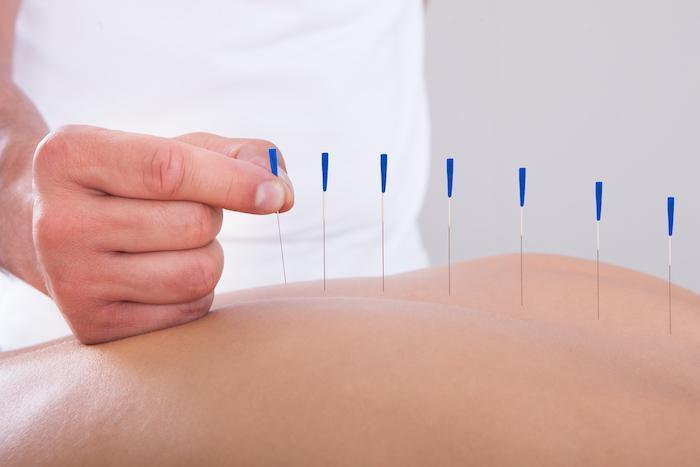
In Advance Physical Therapy, We are dedicated to providing an array of the most cutting-edge techniques for physical therapy designed to assist our clients to attain and maintain an optimal level of wellness and health. One of our most popular and effective treatments is dry needling therapy in Houston. This is the most innovative and effective method for restoring muscle as well as pain relief and general improvement of physical performance. Our staff of highly skilled therapy professionals is committed to offering personal care and ensuring that every client receives the best quality treatment. What is Dry Needling? Dry needling is an innovative therapy technique that involves the application of sterile, thin needles placed in specific locations within the body to treat myofascial trigger points. They are painful spots that occur within the taut skeleton muscle fibers. They are often called ‘knots’ by patients. They may cause severe pain and interfere with the performance of the muscle. In contrast to acupuncture which is an ancient method of treatment that has its roots in the tradition of Chinese medical practices that focus on improving the flow of ‘qi’ meridians with energy dry needling has its roots in Western medicine. It’s primarily focused on the relief of muscular pain, lessening the tension in muscles, as well as boosting flexibility and functional performance. The art of dry needling is founded upon a thorough knowledge of anatomy, neurology, and physiology. It incorporates methods from the fields of sports medicine and physical therapy to treat neuromuscular disorders. As a scientifically backed approach, dry needling treatment Houston professionals rely on evidence-based research to guide treatments and ensure the most effective outcomes. Its goal is to improve function and accelerate recovery thus making it a useful instrument for athletes, people suffering from chronic pain, or those recovering from injuries. Targeting Myofascial Trigger Points Myofascial trigger points are tiny and easily identifiable nodules found in the muscles that may cause considerable discomfort. These tend to manifest as pain that is referred to as muscle stiffness and limited movement. The trigger points are typically created by muscle fatigue injury, or acute trauma, or ongoing stress that leads to the formation of contracting muscle fibers. Dry needling is specifically targeted at the areas of concern and helps to ease tension, eliminate trigger points, and boost circulation to muscles affected. This technique requires the exact insertion of needles into trigger points. This causes an immediate twitch. This reaction is vital as it aids in resetting the electrical activity of the muscle. This results in less pain and the return to regular functioning of the muscle. Sports athletes who have injuries, along with those who suffer from chronic pain or muscular tightness could greatly profit from this particular treatment. The treatment not only eases pain but also tackles the root cause of muscle malfunction, which promotes long-term recovery as well as performance improvement. Additionally, dry needling may be combined with other therapy techniques, including the use of manual therapy, therapeutic exercises as well as stretching, to improve the results of treatment. The therapists at Advance Physical Therapy are skilled in delivering a comprehensive dry needling service Houston patients can trust, using these strategies to create personalized treatment programs tailored to the unique needs of each individual. Conditions Treated with Dry Needling Houston Dry needling is extremely efficient in treating a variety of muscular and skeletal problems, providing considerable relief and improving the health for numerous patients. The most common problems treated using dry needling are: Muscle pain and stiffness In releasing muscles that are tight and disabling trigger points dry needling is a great way to ease the pain and increase mobility. Many patients experience immediate relief upon treatment and continued improvements throughout each session. This can be particularly helpful for patients suffering from ailments such as myofascial-muscular discomfort syndrome. This condition is characterized by persistent discomfort and tenderness of the muscles. Athletic Injuries Athletes benefit greatly from dry needling because it speeds up recovery from injuries, eases discomfort, and boosts overall performance. The most common sports-related injuries treated are muscle strains, tendonitis, and ligament strains. In addressing the root causes of the muscle’s dysfunction and injuries, athletes are able to experience a reduction in times of recovery and speedier return to their sport. Chronic Conditions Chronic Conditions can also be effective for dealing with chronic illnesses like tension headache, fibromyalgia, and chronic back pain. Through targeting trigger points in the myofascial system that cause those conditions, patients are able to get relief from chronic discomfort and pain. This can lead to improved function in daily life as well as quality of life. Postural Instabilities Many people feel pain in their muscles and discomfort because of poor posture. This is frequently exacerbated by sitting down and repetitive work activities. Dry needling may help to correct the imbalances in your body by loosening the muscles tight and improving muscle alignment. Involvement of the Nerve Conditions such as carpal Tunnel Syndrome and sciatica may get relief from dry needling because it helps decrease nerve compression by addressing the tightness of muscles and inflammation that surrounds the nerves affected. The Mechanism of Pain Relief The sensation of pain relief that can be obtained through dry needling is due to a variety of interconnected mechanisms. First, the action of the needle interrupts the pain-relief cycle inside the muscle. This provides instant relief. The process is accomplished by creating an immediate twitch that helps reset the malfunctioning electrical activity within the muscle. These results in muscles being less strained, while normal muscle function can be reinstated. In addition, the placement of the needle triggers the body’s natural mechanisms for relieving pain. Another mechanism that is involved is the release and release of endorphins. These are the body’s naturally produced painkillers. They help reduce the perception of pain and increase feelings of relaxation. Additionally, dry needling Houston may improve blood flow to the local area, aiding in the elimination of metabolic waste and providing important nutrients and oxygenation