

Physical Therapy: The Key to Moving Better and Living Pain-Free
Pain, stiffness, and limited mobility can make even the simplest daily activities feel overwhelming. Whether it’s back pain, a sports injury, post-surgical recovery, or chronic discomfort, these physical challenges can significantly affect your quality of life. Fortunately, physical therapy offers a proven, effective, and non-invasive solution to help people regain strength, restore movement, and return to the activities they love. At Advance Physical Therapy, we believe physical therapy is more than just rehabilitation—it’s a pathway to long-term health, independence, and pain-free living. In this blog, we’ll explore what physical therapy is, how it works, who can benefit from it, and why it plays such an essential role in overall wellness. What is Physical Therapy? Physical therapy is a specialized form of healthcare focused on improving movement, reducing pain, restoring function, and preventing future injuries. Licensed physical therapists use evidence-based techniques—including therapeutic exercises, manual therapy, and patient education—to help individuals recover from injuries, manage chronic conditions, and improve physical performance. Unlike treatments that rely solely on medication or surgery, physical therapy addresses the root cause of pain and dysfunction. By improving strength, flexibility, posture, and movement patterns, physical therapy promotes healing while empowering patients to take an active role in their recovery. How Physical Therapy Works Physical therapy begins with a comprehensive evaluation. At Advance Physical Therapy, our therapists assess your posture, movement, strength, flexibility, balance, and pain levels to understand your condition fully. Based on this assessment, we develop a personalized treatment plan tailored to your specific needs and goals. Treatment may include: Therapeutic exercises to strengthen muscles and improve mobility Manual therapy to reduce stiffness and improve joint function Stretching techniques to increase flexibility Balance and coordination training Pain-relief modalities such as heat, ice, or ultrasound Education on posture, ergonomics, and injury prevention Each session builds upon the last, ensuring steady progress toward recovery and long-term improvement. Conditions Physical Therapy Can Treat Physical therapy is highly versatile and effective for a wide range of conditions. Some of the most common issues treated at Advance Physical Therapy include: Back and Neck Pain Whether caused by poor posture, injury, degenerative conditions, or workplace strain, back and neck pain are among the most common reasons people seek physical therapy. Therapy strengthens the muscles that support the spine, improves posture, and restores healthy movement patterns. Sports Injuries Athletes of all levels benefit from physical therapy for sprains, strains, ligament injuries, and overuse conditions. Physical therapy not only helps athletes recover safely but also improves performance and reduces the risk of reinjury. Post-Surgical Rehabilitation After surgery, physical therapy is crucial for restoring movement, reducing pain, and preventing complications. Guided rehabilitation helps patients regain strength and confidence while ensuring a safe return to daily activities. Joint Pain and Arthritis Physical therapy helps manage joint pain and arthritis by improving joint mobility, strengthening surrounding muscles, and reducing stiffness—often delaying or avoiding the need for surgery. Workplace and Repetitive Strain Injuries Prolonged sitting, repetitive movements, and improper lifting can lead to chronic pain. Physical therapy addresses these issues through posture correction, ergonomic training, and muscle reconditioning. Benefits of Physical Therapy Physical therapy offers both immediate and long-term benefits that go beyond pain relief. Drug-Free Pain Management: One of the greatest advantages of physical therapy is that it reduces pain naturally—without relying on medication or invasive procedures. Improved Strength and Mobility: By strengthening muscles and improving joint function, physical therapy helps patients move more efficiently and confidently. Faster Recovery: Physical therapy accelerates the healing process by promoting circulation, restoring movement, and preventing stiffness. Injury Prevention: Correcting movement patterns and strengthening weak areas reduces the risk of future injuries. Better Quality of Life: Physical therapy allows patients to return to work, sports, and daily activities with less pain and greater independence. Physical Therapy for Long-Term Wellness Physical therapy isn’t just for recovery—it’s also a powerful tool for long-term health and prevention. Many patients continue physical therapy to maintain mobility, manage chronic conditions, and stay active as they age. Preventive physical therapy focuses on: Improving posture and body mechanics Enhancing balance and coordination Maintaining flexibility and joint health Supporting healthy aging By addressing small issues early, physical therapy helps prevent them from becoming larger, more debilitating problems. What Makes Advance Physical Therapy Different? At Advance Physical Therapy, we are committed to providing exceptional, patient-centered care. Our approach combines clinical expertise with compassion, ensuring every patient feels supported throughout their recovery journey. Why Choose Advance Physical Therapy? Personalized treatment plans tailored to your goals Experienced and licensed physical therapists Advanced techniques and modern equipment Holistic care focused on long-term results A supportive environment that encourages active healing We take the time to listen, educate, and guide our patients—because lasting recovery requires more than just treatment; it requires understanding and trust. When Should You See a Physical Therapist? You may benefit from physical therapy if you experience: Persistent or worsening pain Limited mobility or stiffness Recovery after surgery or injury Difficulty performing daily activities Frequent injuries or recurring pain Early intervention often leads to faster recovery and better outcomes, so don’t wait until pain becomes unbearable. Take the First Step toward Better Movement Physical therapy is a powerful, proven way to reduce pain, restore function, and improve your overall quality of life. Whether you’re recovering from an injury, managing chronic pain, or simply looking to move better, physical therapy can help you achieve your goals safely and effectively. At Advance Physical Therapy, we’re dedicated to helping you move stronger, live healthier, and feel your best. If you’re ready to take control of your physical health, our team is here to guide you every step of the way.

Why Physical Therapy Is Essential for Complete Spine Care
Are you struggling with back pain? You’re not alone. Nearly 85% of Americans experience back pain at some point in their lives, and for many, it interferes with work, daily activities, and time with family. Fortunately, long-lasting relief is more accessible than ever through physical therapy. For many patients, physical therapy plays a vital role in complete spine care by reducing pain, restoring movement, and improving overall quality of life. Let’s take a closer look at how physical therapy addresses spine and back pain—and whether it could be the right addition to your treatment plan. Why Spine Care Requires More Than Rest It’s a common belief that rest alone can heal back pain. While resting may temporarily reduce discomfort, it rarely addresses the underlying cause of the problem. As a result, pain often returns as soon as normal activities resume. Most spine-related pain stems from issues such as injuries, postural imbalances, repetitive strain, or degenerative conditions. Without proper treatment, these problems can worsen over time and lead to chronic pain or mobility limitations. Physical therapy strengthens the muscles that support your spine, improves movement patterns, and helps your body handle everyday physical demands—reducing the risk of future injuries. Why Physical Therapy Is Essential for Complete Spine Care Physical therapy is a cornerstone of comprehensive spine care, as it focuses on long-term healing rather than providing temporary relief. It restores mobility, strengthens supporting muscles, and improves spinal stability. Unlike pain medications that mask symptoms, physical therapy targets the root causes of pain. It is also far less invasive than surgery and typically requires less recovery time, allowing patients to heal more naturally and comfortably. Additional Benefits of Spine Physical Therapy Improved Posture: Targeted exercises and alignment training help correct postural imbalances. Reduced Risk of Recurrence: Stronger core and back muscles provide better spinal support and protection. Enhanced Flexibility: Stretching and strengthening exercises reduce stiffness and improve joint mobility. Common Spine Conditions Physical Therapy Can Treat Physical therapy is effective for a wide range of spinal conditions, including chronic pain, injury recovery, and post-surgical rehabilitation. Herniated Discs and Nerve Compression A herniated disc occurs when the cushioning material between vertebrae protrudes and compresses nearby nerves, causing pain, tingling, numbness, or weakness. Physical therapists use targeted stretching techniques to reduce disc pressure and relieve nerve compression, while strengthening exercises help stabilize the spine and lower the risk of recurrence. Chronic Back and Neck Pain Treatment for chronic neck or back pain depends on its cause. For degenerative conditions such as spinal stenosis or degenerative disc disease, therapy may include therapeutic exercises and manual techniques to enhance mobility and function. When pain results from muscle, tendon, and ligament, or fascial injury, soft tissue therapy and myofascial release can reduce tension, improve circulation, and limit scar tissue formation—supporting healthier healing. Postural Problems and Workplace Strain Poor posture, prolonged sitting, improper lifting, and repetitive movements can place excessive stress on the spine and surrounding muscles, leading to stiffness and chronic discomfort. Physical therapy addresses these issues through posture correction, ergonomic education, and training in proper body mechanics. Athletes and manual laborers also benefit from instruction on safe lifting techniques to reduce injury risk. Post-Surgical Rehabilitation Spinal surgery recovery can be physically demanding, often involving pain, stiffness, and limited movement. Post-surgical physical therapy helps reduce swelling, restore circulation, and improve mobility through gentle exercises and hands-on techniques. Rehabilitation also plays a critical role in preventing complications, such as blood clots, and supporting a safe return to daily activities. The Comprehensive Role of Physical Therapy in Spine Care The benefits of physical therapy for spine health include: Restored Strength and Mobility: Builds core and back strength to support spinal stability. Drug-Free Pain Relief: Uses natural, noninvasive techniques without medication side effects. Injury Prevention: Corrects movement patterns to reduce future injury risk. Personalized Treatment: Customized care plans tailored to your condition and recovery goals. Lifestyle Benefits of Physical Therapy Beyond treating spinal conditions, physical therapy can enhance your overall quality of life. It helps you return to normal activities faster after injury, reduces everyday discomfort from sitting, driving, or lifting, and empowers you to manage your spine health with confidence. When to Consider Physical Therapy for Spine Pain You may benefit from physical therapy if you experience: Chronic or worsening back or neck pain Limited mobility or stiffness Recovery after injury or surgery Lack of improvement with rest or self-care If any of these apply, the experienced spine specialists at Advance Physical Therapy in Houston can integrate physical therapy into your treatment plan to support optimal recovery. Stronger Backs, Better Lives Physical therapy is essential for complete spine care because it treats pain at its source while strengthening the spine to reduce the risk of re-injury. If you’re seeking long-term relief and improved function, this approach may be the right solution for you. At Advance Physical Therapy, we provide comprehensive care that combines physical therapy with advanced spine treatments, including chiropractic care, myofascial release, and dry needling—helping you move better and live better.

Physical Therapist vs. Chiropractor: Which is best for Your Back Pain
When back pain strikes, finding relief is only part of the challenge. Another common question many patients face is deciding who to see for treatment. Should you visit a physical therapist or a chiropractor? Because physical therapy and chiropractic care often overlap in their goals, choosing between the two can feel confusing. The good news is that these specialties are not competitors—they are complementary. Many patients experience the best results when both approaches are combined. Let’s explore the key differences between physical therapists and chiropractors, and how Advance Physical Therapy integrates both to provide comprehensive back pain relief. Understanding the Difference between a Physical Therapist and a Chiropractor Before deciding which provider is right for you, it’s helpful to understand how each specialty approaches back pain treatment. What a Chiropractor Does Chiropractic care focuses on restoring proper spinal alignment so the body can heal and function more efficiently. When the spine is misaligned, it can interfere with both the musculoskeletal and nervous systems. Conditions such as bulging discs, joint dysfunction, and shoulder impingement can place excess pressure on nerves, leading to pain, stiffness, and reduced mobility. Chiropractors address these issues through precise spinal adjustments—controlled thrusts applied to specific areas of the spine. These adjustments help: Reduce nerve pressure Decrease inflammation Improve spinal mobility Provide faster pain relief Chiropractic care is especially effective for improving alignment and jumpstarting the healing process. What a Physical Therapist Does Physical therapists focus on restoring movement, strength, and overall function. Their primary goal is to help patients return to daily activities with less pain and greater confidence. A physical therapist evaluates how your muscles, joints, and movement patterns work together. Based on this assessment, they design a personalized exercise and treatment program to: Strengthen weak muscles Improve flexibility Correct faulty movement patterns Prevent future injuries Physical therapy is particularly beneficial for long-term recovery following injury, surgery, or chronic pain conditions. Shared Goals, Different Approaches While chiropractors and physical therapists use different techniques, they share the same core objectives: Reduce pain Restore function Improve mobility Help patients stay active and healthy Chiropractic adjustments can improve spinal alignment and reduce nerve irritation, making it easier for patients to move comfortably. Physical therapy then builds on that foundation by strengthening muscles and improving movement, leading to longer-lasting results. How to Know Which Back Pain Specialist You Need Back pain—whether in the upper or lower back—can have many causes. Choosing between a physical therapist and a chiropractor depends on your symptoms, condition, and recovery goals. When to See a Chiropractor You may benefit from chiropractic care if your back pain is related to spinal misalignment or joint restrictions. Chiropractors provide targeted adjustments that relieve pressure on nerves, restore alignment, and improve overall mobility. When to See a Physical Therapist Physical therapy is ideal if your goal is to rebuild strength, improve flexibility, or recover from injury or surgery. A physical therapist will create a customized program to retrain movement patterns and support long-term healing. When to Combine Both Treatments For many patients, the most effective solution is a combination of chiropractic care and physical therapy. This integrated approach ensures proper spinal alignment while strengthening the muscles that support it—resulting in more durable pain relief and better overall function. Comprehensive Back Pain Care at Advance Physical Therapy At Advance Physical Therapy, we believe in treating the whole person—not just the symptoms. By combining physical therapy and chiropractic principles, we offer a holistic approach to back pain that supports both immediate relief and long-term recovery. If you’re unsure which treatment is right for you, our experienced team can guide you toward the best plan for your needs.

How Physical Therapy Clinics Help You Recover from Auto Accidents
Auto accidents can be traumatic—physically, emotionally, and mentally. In the moments following a collision, pain, stiffness, and limited mobility are common and can significantly disrupt your daily life. While seeing a physician is an important first step, physical therapy plays a vital role in restoring strength, movement, and overall function. At Advance Physical Therapy, serving the Houston area, our skilled physical therapists specialize in helping patients recover safely and effectively after auto accident injuries. In this blog, we explore how physical therapy in Texas can support your recovery and help you return to an active, pain-free lifestyle. Common Auto Accident Injuries Treated with Physical Therapy Car accidents often result in injuries that may not be immediately noticeable but can worsen over time if left untreated. Some of the most common auto accident injuries include: Whiplash Neck and back pain Soft tissue injuries Muscle strains and joint stiffness Physical therapy is highly effective in treating these conditions by reducing pain, restoring range of motion, and rebuilding strength. With consistent care and a customized treatment plan, physical therapy can significantly speed up recovery and help prevent long-term complications. Accurate Injury Evaluation and Diagnosis Proper recovery begins with an accurate diagnosis. At Advance Physical Therapy, our therapists use advanced assessment techniques to evaluate the extent of your injury. Based on your condition, we develop a personalized treatment plan that outlines the duration, intensity, and most effective therapies for your recovery. Reduce Inflammation and Swelling Inflammation is a common response to trauma and can lead to pain and restricted movement. Physical therapy treatments such as therapeutic ice and heat, soft tissue mobilization, and massage therapy help reduce swelling and promote healing. Ongoing therapy also helps prevent further damage to affected areas. Pain Relief and Muscle Recovery Auto accident injuries often cause muscle tightness, spasms, and chronic pain. Our physical therapists design targeted exercise programs to strengthen injured muscles, improve flexibility, and restore mobility. Over time, these treatments help relieve pain naturally—without relying solely on medication. Improve Flexibility and Range of Motion Injuries such as whiplash can limit movement and affect your quality of life. Physical therapy focuses on restoring flexibility and joint mobility through guided stretching and controlled exercises. These techniques help you regain muscle control and move comfortably again. Non-Invasive Treatment Options Physical therapy offers safe, non-invasive solutions for recovery. Treatment options may include: Manual therapy Stretching and strengthening exercises Ultrasound therapy Massage therapy Dry needling These approaches enhance the body’s natural healing process while avoiding surgical or invasive procedures. Physical Therapy Treatments After an Auto Accident At Advance Physical Therapy, we understand that every auto accident injury is unique. Our goal is to provide comprehensive, individualized care to help you heal efficiently and confidently. Spinal Rehabilitation Auto accidents can cause spinal injuries that affect balance, mobility, and nerve function. Our spinal rehabilitation programs incorporate therapeutic exercises, manual therapy, electrical stimulation, and hydrotherapy to restore strength and movement. Our licensed physical therapists closely monitor your progress to ensure safe and effective recovery. Whiplash Treatment Whiplash occurs when the neck is forcefully moved forward and backward, damaging muscles and ligaments. Without treatment, it can lead to chronic pain. Our whiplash treatment programs include manual therapy, chiropractic care, massage, and rehabilitation exercises designed to reduce pain, improve mobility, and prevent future injury. Dry Needling Dry needling is a highly effective technique used to release muscle tension, improve circulation, and reduce pain by targeting trigger points. Our experienced therapists are trained in dry needling and often incorporate it into treatment plans for auto accident injuries and other musculoskeletal conditions. Why Choose Advance Physical Therapy After an Auto Accident? Recovering from an auto accident can feel overwhelming, but you don’t have to do it alone. At Advance Physical Therapy, our experienced team is dedicated to helping you heal safely and effectively. We offer: Personalized treatment plans Highly trained and licensed physical therapists Advanced equipment and modern technology Compassionate, patient-focused care

How Physical Therapy Services in Houston Can Transform Your Recovery Journey
If you’re searching for reliable and results-driven physical therapy service in Houston, you’re likely dealing with pain, mobility issues, or a recent injury that’s disrupting your life. At Advance Physical Therapy, we understand how important it is to find the right support—someone who not only treats the symptoms but also uncovers the root cause of your discomfort. Whether you’re an athlete recovering from a sports injury, a post-operative patient, or someone managing chronic pain, our Houston therapy service is designed to help you move better, feel better, and live better. Why Physical Therapy Matters Physical therapy is more than stretching or exercise routines. It’s a science-backed approach to restoring movement, reducing pain, and preventing future injuries. For many patients in Houston, it’s a crucial step toward: Improving strength and mobility Regaining independence Avoiding surgery when possible Reducing reliance on medication Enhancing sports performance At Advance Physical Therapy, we tailor every treatment plan to your unique condition and goals. What Sets Our Physical Therapy Service in Houston Apart Choosing the right provider can greatly impact your recovery timeline and long-term outcomes. Here’s what makes our Houston therapy service stand out: Personalized Treatment Plans No two bodies—or injuries—are alike. We conduct a thorough evaluation before developing a customized plan designed specifically for your needs. Experienced and Compassionate Therapists Our licensed physical therapists bring years of clinical experience and use evidence-based methods to accelerate healing. State-of-the-Art Techniques From manual therapy and therapeutic exercise to advanced modalities, we use the latest technology to support faster recovery. Patient-Centered Care We don’t rush treatment. We listen, educate, and empower patients to take an active role in their recovery. Conditions We Treat at Advance Physical Therapy Our physical therapy service in Houston covers a wide range of conditions, including: Back and neck pain Sports injuries Post-surgical recovery Joint pain (hip, knee, shoulder, etc.) Balance and gait issues Work-related injuries Chronic pain conditions If you’re unsure whether physical therapy can help your condition, our team is always available to guide you. Why Houstonians Trust Advance Physical Therapy Residents throughout Houston rely on us for expert care, long-term results, and a supportive environment. Our mission is simple: provide exceptional Houston therapy service that helps people return to their active, pain-free lives. Start Your Recovery Today If you’re ready to take the next step toward a healthier, more mobile life, Advance Physical Therapy is here to support you. Our team is committed to delivering high-quality Physical Therapy Services in Houston that make a meaningful difference in your recovery. Contact us today to schedule your evaluation and begin your journey toward better movement, strength, and wellness.
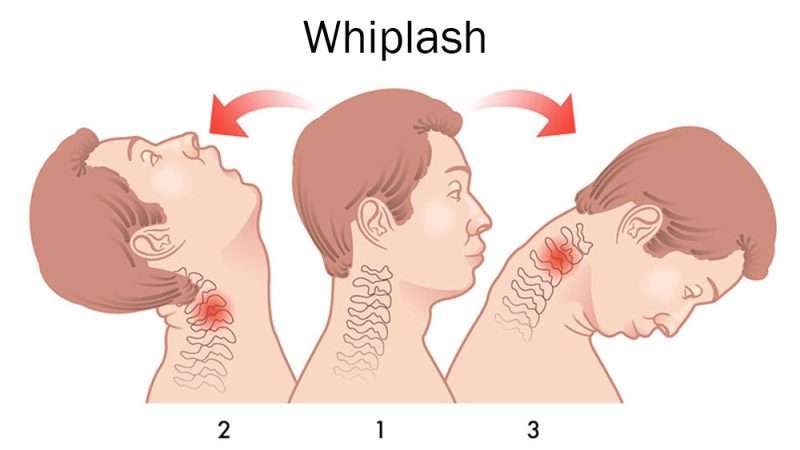
5 Effective Home Exercises for Managing Whiplash
What Is the Fastest and Easiest Cure for Whiplash? The internet is saturated with claims that Whiplash Associated Disorders (WAD) can be “cured” with a handful of simple neck exercises. You’ve probably seen advice insisting that stretches, chin tucks, or resistance-band routines will fix your symptoms. Unfortunately, much of this information is overly simplified—or completely unscientific. Understanding Whiplash Whiplash refers to a sudden forceful movement of the head and neck—often from car accidents, sports injuries, or diving incidents—that can strain or injure various tissues in the cervical spine. Whiplash Associated Disorder (WAD) describes the cluster of symptoms that follow these injuries. There is no universal cure for whiplash because the mechanics behind each injury differ significantly. The direction of the impact, the person’s posture at the moment of collision, whether they braced, the involvement of airbags, head impact, twisting forces, and whether they were the driver or passenger all influence how different spinal tissues are affected. A single moment of impact can create vastly different injury patterns from one person to the next. Time since injury is also critical—early, mid-stage, and late presentations require different management strategies. How WAD Is Classified WAD is grouped into four grades: Grade 0: No neck symptoms and no physical signs Grade I: Neck complaints but no physical signs Grade II: Neck pain with musculoskeletal signs Grade III: Neck pain with neurological symptoms Grade IV: Fractures or dislocations Because many tissues may be injured simultaneously, and because each accident produces a unique mechanism of injury, symptoms—and their severity—can vary dramatically. Why One-Size-Fits-All Treatment Fails Many individuals with WAD experience symptoms that go far beyond the cervical spine, which is why generalized exercise programs found online are rarely sufficient. A forceful impact can involve joints, ligaments, muscles, nerves, discs, and even the thoracic and lumbar spine. Two people in the same accident may have completely different presentations. Given this complexity, proper evaluation by a trained physical therapist or physician is essential. Inadequate or inappropriate treatment can lead to persistent neck pain, headaches, and long-term complications. What Effective Treatment Should Include A successful rehabilitation plan is customized—not generic—and may involve: Hands-on manual therapy Posture and body-awareness training Proprioceptive and coordination exercises Manual traction Soft-tissue and myofascial techniques Anti-inflammatory modalities Gradual, targeted strengthening based on the injury pattern This comprehensive approach supports tissue healing, reduces pain, and lowers the risk of chronic issues. In Summary Despite what online “quick fixes” might promise, whiplash is a complex injury with no simple cure. Each case requires an individualized assessment and a tailored treatment plan. Seeking evaluation from a qualified physical therapist or physician is the safest and most effective way to recover and minimize long-term complications. If you’d like, I can also shorten this into a more concise version, make it more conversational, or adjust the tone for marketing or clinical audiences.

Early Physical Therapy for Whiplash: Why It Matters for Faster Recovery
Early physical therapy is one of the most effective approaches for treating whiplash. After a whiplash injury, neck pain and stiffness often make movement difficult, but beginning treatment early helps accelerate healing and restore function. During the initial stages, a physical therapist conducts a thorough evaluation and designs an individualized treatment plan to reduce pain, improve mobility, and strengthen the cervical muscles. Early care typically includes gentle, pain-free exercises. As recovery progresses, treatment transitions to more challenging exercises that improve flexibility, stability, and strength. Patients also receive guidance on posture, ergonomics, and movement habits to prevent future issues. Starting physical therapy soon after the injury not only supports quicker healing but also helps prevent chronic pain. With expert assessment, targeted exercises, and personalized care, early intervention ensures a safe return to normal activities. What is Whiplash? Whiplash is a neck injury that occurs when the head is abruptly thrust backward and then forward, straining the neck’s muscles and ligaments. It commonly results from motor vehicle accidents but can also occur during contact sports, falls, or any event that causes sudden acceleration or deceleration. Typical symptoms include neck pain, stiffness, headaches, and reduced mobility. Anyone who suspects they may have whiplash should consult a healthcare professional promptly. Common Causes of Whiplash Whiplash can occur in many everyday situations, such as: Contact sports, including football, rugby, or hockey Falls, particularly among older adults or young children Physical abuse or assault Amusement park rides that rapidly accelerate or decelerate Understanding these common causes helps you recognize risk factors and seek medical care as soon as symptoms arise. Early Signs and Symptoms of Whiplash Whiplash may produce a wide range of symptoms, such as: Neck pain and stiffness Headaches Dizziness Fatigue Difficulty concentrating Tinnitus (ringing in the ears) Symptoms may appear immediately or develop over several days. Early evaluation is essential to prevent worsening symptoms and facilitate appropriate treatment. How Whiplash Occurs Whiplash injuries result from a rapid back-and-forth motion of the head, stretching the neck’s soft tissues. It most frequently occurs during rear-end car collisions but can also result from sports impacts, falls, or sudden jolts. Understanding the mechanism of injury helps you remain aware of symptoms and seek prompt medical attention after any head or neck trauma. Immediate Actions After a Whiplash Injury If you suspect a whiplash injury: Stay calm and assess your symptoms Avoid moving your neck if it increases pain or dizziness Apply ice to reduce swelling Seek medical attention as soon as possible Providing your healthcare provider with detailed information about the incident will help guide accurate evaluation and early treatment. When to Seek Medical Care Medical evaluation is essential if you experience persistent pain, worsening symptoms, neurological changes, or difficulty moving your neck. A healthcare provider may order imaging tests, such as X-rays or MRIs, to rule out more serious injuries. Early diagnosis reduces the risk of complications and ensures appropriate care. Initial Assessments and Diagnostic Steps During the first assessment, your provider will: Review your medical history Examine your neck’s range of motion Test strength, reflexes, and neurological function Recommend imaging if needed Accurate assessment guides the treatment plan and helps ensure a safe recovery. Why Timely Care Matters Early intervention increases the likelihood of a full recovery and reduces the risk of chronic pain. Quick evaluation and treatment help identify injury severity, manage symptoms, and guide patients toward appropriate therapy before symptoms worsen. The Importance of Early Physical Therapy in Whiplash Treatment Early physical therapy helps reduce pain, restore movement, and support healing. Here’s why beginning treatment early is essential: Preventing Chronic Pain Physical therapists create individualized plans that manage symptoms, maintain mobility, and prevent long-term complications. Learning correct movement patterns early also decreases the risk of persistent pain. Improving Mobility Therapists use specific exercises to restore range of motion and reduce stiffness. Consistent practice helps patients regain confidence and improves everyday function. Reducing the Need for Medication Early physical therapy offers drug-free pain management, reducing dependence on medications that may cause side effects. Speeding Up Recovery Targeted exercises strengthen the neck, improve flexibility, and promote tissue healing—leading to quicker improvements. Preventing Recurrence Physical therapists teach proper posture, body mechanics, and ergonomics, helping maintain long-term neck health and preventing future injuries. Key Physical Therapy Techniques for Whiplash Recovery Physical therapy may include several evidence-based techniques, such as: Manual Therapy Hands-on techniques such as soft tissue mobilization, joint mobilization, and gentle stretching help reduce pain and restore movement. These methods are often paired with therapeutic exercises for long-term results. Range of Motion & Stretching Exercises Gentle exercises help restore mobility without aggravating symptoms. These exercises promote healing and prepare patients to resume daily activities. Strengthening & Postural Exercises As pain decreases, strengthening the neck and surrounding muscles becomes essential. Strong, well-balanced muscles support better posture and reduce the risk of re-injury. Therapeutic Modalities Heat Therapy Improves blood flow, relaxes muscles, and reduces stiffness. Ultrasound Therapy Uses sound waves to promote tissue healing and reduce inflammation. Electrical Stimulation Helps decrease pain, stimulate muscles, and improve function. Temporary Immobilization Short-term use of soft collars or supports may be recommended early on to protect the neck. However, prolonged immobilization is avoided to prevent muscle weakening. Additional Supportive Therapies Depending on the patient’s needs, supportive therapies may include: Massage therapy Acupuncture Chiropractic care These therapies complement physical therapy and may enhance recovery. Developing a Personalized Treatment Plan A physical therapist designs a customized plan based on your specific symptoms, needs, and goals. Initial Evaluation Your therapist assesses your symptoms, movement, and medical history. Tailored Exercise Program Exercises focus on improving range of motion, strength, and flexibility. Ongoing Monitoring Treatment is adjusted regularly based on your progress and changes in symptoms. Open communication ensures optimal results and a smoother recovery journey. When to Seek Further Medical Advice Seek additional medical evaluation if: Pain persists beyond a few days Symptoms worsen despite treatment You experience numbness or severe mobility issues Prompt communication with your healthcare provider helps ensure safe and effective

Prevent and Relieve Back Pain Through Targeted Physical Therapy Houston
If you’re suffering from back pain, you’re certainly not the only one. Actually, around 30 percent of the people within the U.S. probably have back discomfort at present. Due to the fact that a stiff or painful spinal column can affect almost all the activities you do, Back pain is among the main motives people seek medical attention. However, there is no reason to endure back suffering. There are a variety of treatments available, which range from traditional treatments to surgeries. Physical therapy Houston for many can be an effective and suitable treatment option that can aid in improving the function and reducing pain in the back, or perhaps even eliminate back pain. Common Reasons for Back Pain that can be Treated with Exercise The spine is a complicated component of our body. It is composed of bones, muscles and tendons, nerves, the spinal cord, as well as various other tissues. The great thing about the spine is the fact that it’s designed to endure a great deal of wear and tear prior to the symptoms beginning to impact your daily living. Like other parts of the body it isn’t meant to remain perfect for the duration of your life. Some people describe back discomfort as shooting, burning or sharp pain. In some cases, the pain could be felt in the legs or arms. The cause of pain can come from various factors such as an accident, falling, to normal wear and tear from the course of time, or due to a medical issue. Sometimes it is possible to develop back pain when sitting for a long time, or when bending with bad posture when gardening or engaging in another task. The most common causes for back pain could be: Arthritis disc injuries, for example, herniated discs or disc bulging Muscle tension Nerve pinched Bad posture Sciatica Stenosis of the spine What is the best time to see a physical therapist to treat back discomfort? If back pain has become more severe or is affecting daily activities then it’s an ideal time to get medical attention. There are a variety of experts who are certified to treat and diagnose back problems. The doctor might suggest starting by undergoing physical therapy service Houston, or referring you to a spinal specialist to talk about all possible choices. Sometimes it is possible for patients to refer themselves to a physical specialist as their first choice of treatment, which can reduce the pain or improve mobility. Sometimes the physical therapy can be used in conjunction with other treatments or as a preparation to undergo surgical back procedures in the case of more severe back pain that doesn’t respond to treatment options. If you’re experiencing only moderate back pain, there is no harm in having an appointment or two of a physical therapist skilled in the prevention of back discomfort. Therapists who specialize in physical therapy are adept in the assessment of your posture, and then advising you on an exercise routine at home which can aid in maintaining an energised core that is essential to avoid back pain. Therapists trained in physical therapy are able to recognize any warning signs that suggest that patients need to see the doctor instead. If physical therapy is not the right choice for the patient, then your physical therapy therapist can reach out to their physician to help guide you to where you’re supposed to be. What Should You Expect in Rehabilitation to Treat Back Pain? Therapy for physical impairment (PT) is a type of therapy that helps preserve as well as improve mobility and functional abilities. Physical therapist are skilled in using manual therapy in conjunction with exercise and training that are specifically tailored to the patient’s requirements and pain. This is why many clients benefit from Stronger muscles to help with spinal and core stability Postural awareness and improved circulation More mobility and functionality Physical therapists who specialize in chiropractic care are familiar with the tools and treatment choices to assist you in your efforts to recover to where you’d like to be. Your treatment plans will differ according to your individual demands, and may also include Exercises for Back Pain That Are Therapeutic The physical therapist you consult with may suggest exercises that help improve the posture of your body, build up your core as well, and ease the back pain. The exercises vary from person to person. To get the most benefit, it is recommended to continue doing these exercises in your home according to the advice of your Houston therapy service. Muscles and joints that are stiff may cause discomfort. If the pain you are experiencing is extreme in physical therapy, your trainer may collaborate with specialists for pain management, like physiatrists, to ease discomfort. The physical therapist can give you suggestions for exercise or other activities you should avoid since certain actions can cause further pain to your spine based on the site and originof discomfort. Manual Therapy Hands-on manual therapy is a procedure wherein your physical therapist will use the hands of their clients to exert pressure on the stiff or sore parts of your spinal column. It can ease the pain, boost circulation and improve the function of your spine. It’s different from chiropractic and massage treatment, which employs diverse techniques applied on their own. Patient Education The final aspect in physical therapy is the education about the body’s posture, alignment, as well as any issues the body has with its spine. Patients are able to control and avoid worsening of spinal discomfort. Training can be linked with exercises that you need to do or not perform, adjustments that allow you to stay active, while decreasing the pain. Home modifications can enhance your quality in managing discomfort, and much more. Other Forms of Physical Therapy Other ways that physical therapists can assist to ease back pain or increase flexibility and functionality. Physical therapists at our clinic are skilled in different interventions such as electrical stimulation and dry-needling, which is increasing in recognition. If you are treating back pain using dry needling, an experienced physical therapist might utilize a tiny needle to

Physical Therapy in Houston: Why It’s Important When to Go & What to Expect
You’ve left the doctor’s appointment with a prescription slip to receive physical therapy. What now? “People of course know when they’re in pain, but many don’t know when or how physical therapy might help relieve their pain,” says the doctor. Through guided exercises and education about how your body is meant to move, physical therapy aims to make lasting improvements to your mobility and strength helping to prevent or relieve injuries and/or disease. What is the reason physical therapy is vital? If a muscle feels swollen or joint pain, the first reaction is likely to use medication to relieve pain, then take some sleep and apply cooling or heating. However, if pain persists even after these simple home treatments, it may be time to consider a physical therapy service Houston residents trust for effective relief and recovery. Physical therapy is a great way to help Build your muscles and reduce the stress on joints Enhance balance or mobility Relieve joint pain Prevent injury Stability, function, and mobility following an injury Physical therapists at Advance Physical Therapy are trained to identify biomechanical deficiencies that are either currently leading to pain or might lead to pain or injury in the future. From therapeutic exercises and manual therapy with our hands to newer techniques and modalities, a physical therapist has a range of noninvasive treatment options he or she can use to help address or prevent movement issues. One of the most significant aspects of physical therapy is the education in particular, the process of teaching how to strengthen your muscles to move and stretch your muscles. This is crucial if you’re using muscles that you’re not using correctly. Everyone knows how to simply move their body, but that doesn’t mean everyone is doing so correctly. We always try to make physical therapy a life-changing learning experience that has lasting results on how a person moves and views their body. Who would profit from the physical therapist? Physical therapy is a great way to relieve the most common injuries and forms of discomfort, such as: Arthritis The back is aching and there are strains Herniated disc Knee Pain in the knee The rotator cuff tear Sciatica Not only can a physical therapist help correct an injury or pain a person is already experiencing, we’re also trained to identify and address subtle issues that could lead to pain or injury in the future. Additionally, there are several sub-specialties of physical therapy, including sports, pediatrics, geriatrics, neurology, cardiac and respiratory physical therapy. As an example, a child physical therapist concentrates on helping youngsters with muscle or bone problems, injuries from sports or genetic movement issues and on the contrary, a cardiac physical therapist can provide rehabilitative coaching and instruction for people recovering from heart attacks and heart failure as well as surgery that can often be found through a trusted Houston therapy service. What can you expect at an appointment for physical therapy at Advance Physical Therapy? When you know the benefits of physical therapy and when you’re ready to visit physical therapists one of the most important questions that you’ll need to answer is what you can expect. Physical therapy begins by evaluating the patient The first appointment is always an evaluation, which has three main parts: a subjective conversation about your issue; an objective assessment of your biomechanics; and an explanation of your final diagnosis and treatment plan. Then, your physical therapist will meet with you, and ask questions regarding your discomfort or injury along with the behavior or incidents that could have brought you to the point at which you are. A Q&A-style discussion assists your physical therapist in understanding the reasons why you are in the physical condition you’re in. Stay up-to-date If you sign up for our newsletter by registering, you’ll be notified of our monthly newsletter that includes videos, articles as well as health and fitness tips. Your physical therapist will conduct various functional tests to gauge the strength of your body and range of motion whether throughout your entire body or to determine the joints and muscles that cause problems. The final part of your examination is your final diagnosis as well as the explanation of your treatment plan. We pair the subjective and objective assessments together to determine what’s causing your issue and create a plan of action to correct it. We then explain your diagnosis and the specifics of your treatment plan to you, such as how long you’ll need physical therapy and how many visits are needed. What should you expect during your follow-up sessions with physical therapy? After the initial examination, you’ll start your session of follow-up where your physical therapist works together with you to implement the stretches, exercises, treatment and procedures required to fix your problem. At Advance Physical Therapy, The exercises and stretches your physical therapist guides you through are the cornerstone of your treatment plan. They’re meant to help improve your strength and mobility, reducing pain and strain on your joints and they’ll continue to be important to help you stay pain-free. Furthermore, there are several alternatives that your therapist could employ to ease discomfort and speed recovery, such as: Dry needling uses small needles to relieve the tension caused by knots, and tight muscles Dry cupping applies suction on the area of pain to improve circulation and thereby lessening any swelling Kinesthesiology Taping provides a slight help to a muscle or muscle, helping to reduce discomfort and encouraging a correct alignment Blood flow restriction uses specially designed blood pressure cuffs that assist a person to build up endurance without straining an existing injury Your physical therapist may also use manual therapy to improve joint mobility, reduce scar tissue buildup caused by injury, or help relax tight muscles. In addition, you’ll have homework during your follow-up appointments stretching at home and doing exercises that will help you continue your rehabilitation. Through your appointments,