

Neck Pain After a Car Accident: Recovery Guide | Advance PT
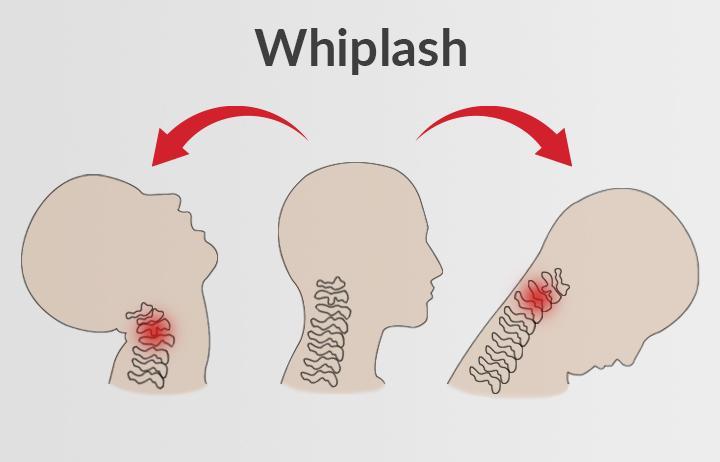
Neck pain is the single most common complaint we hear after a car accident. Someone gets rear-ended at a red light, walks away feeling shaken but okay, and then wakes up the next morning barely able to turn their head. If that sounds like you, you’re in the right place. This guide covers what causes neck pain after a crash, the warning signs that need a doctor right away, how long recovery usually takes, and what treatment actually looks like — all from a clinic that treats these injuries every single week across Texas. The most important thing to know up front: neck pain after a wreck is common, it’s treatable, and starting care early makes a real difference. And in Texas, you can come straight to a physical therapist — no referral needed. What causes neck pain after a car accident? When a car gets hit, your body absorbs a sudden, violent change in speed. Your seatbelt holds your torso in place, but your head — which weighs about as much as a bowling ball — gets whipped forward and back before the muscles can react. That rapid motion is where most neck injuries come from. Here’s what’s usually behind the pain: Whiplash. This is the big one. The sudden back-and-forth motion overstretches and strains the muscles, ligaments, and soft tissue in your neck. Whiplash neck pain is the reason so many people feel fine at the scene and stiff the next day. Muscle and ligament strain. The supporting tissues that hold your neck steady get overstretched, leaving you with a stiff neck after the accident, aching, and a limited range of motion. Joint irritation. The small facet joints in your cervical spine can get jarred and inflamed, causing sharp pain when you turn or tilt your head. Disc injury. In harder impacts, the cushioning discs between the vertebrae can bulge or herniate, sometimes pressing on a nerve. Nerve irritation. When a nerve in the neck gets compressed or inflamed, the pain can travel into the shoulder or arm, sometimes with tingling or numbness. A rear-end collision is the classic setup for whiplash, but neck pain shows up after side impacts and head-on crashes too. The speed of the crash doesn’t always match the severity of the injury, either — plenty of low-speed fender benders leave people with weeks of neck pain. Why neck pain is often delayed One of the most common questions we get is, “Why didn’t my neck hurt right after the crash?” The answer is adrenaline. In the moments after an accident, your body floods with stress hormones that mask pain and keep you functioning. Once that wears off — usually within a day or two — the real soreness sets in. This delay is completely normal and doesn’t mean your injury is worse. But it’s exactly why we tell people not to brush off a crash just because they “feel fine.” Soft-tissue injuries like whiplash often take 24 to 72 hours to fully show themselves. Red-flag symptoms: when to see a doctor right away Most neck pain after an accident is soft-tissue injury that heals well with the right care. But some symptoms point to something more serious involving the spine or nerves. Go to the emergency room or call 911 if you have any of these after a crash: Numbness, tingling, or weakness in your arms, hands, or legs Severe neck pain that doesn’t ease at all, or pain with a “shooting” electric quality Loss of bladder or bowel control Trouble walking, balancing, or coordinating your movements A severe headache that came on suddenly or keeps getting worse Confusion, slurred speech, vision changes, or loss of consciousness Pain that wraps around to your chest along with trouble breathing These can signal a spinal cord injury, a fracture, nerve damage, or a concussion — all things that need imaging and a physician’s evaluation first. When you’re in doubt, get checked at the ER. Physical therapy comes after you’ve been cleared of anything dangerous. What to do for neck pain after a car accident Once serious injury has been ruled out, here’s the practical path most of our patients follow to recover well: Don’t wait it out. The old advice of “rest and see if it goes away” often backfires. When you stop moving a stiff neck, the muscles tighten further and recovery drags on. Gentle, guided movement usually heals faster. Get evaluated early. A physical therapist can assess exactly which tissues are injured and start a plan before compensations and chronic stiffness set in. Manage the early pain sensibly. Ice in the first day or two and gentle movement within a comfortable range help calm things down. Your therapist will guide what’s safe. Keep moving within reason. Light, pain-free motion keeps blood flowing and prevents the stiffness that turns a short recovery into a long one. Document everything. If it was someone else’s fault, keep records of your symptoms and care. This matters for your insurance claim. Because we deal with auto-accident injuries constantly, we also handle the insurance side. If you’re working through a motor vehicle accident claim, we can coordinate with your PIP coverage and your attorney so you can focus on healing instead of paperwork. Neck pain and headaches after a car accident Headaches go hand in hand with whiplash, and they catch a lot of people off guard. When the muscles at the base of your skull and the upper part of your neck get strained, they can refer pain upward into the head — these are called cervicogenic headaches. They often feel like a dull, throbbing ache that starts at the back of the neck and spreads toward the forehead or behind the eyes. The good news is that when we treat the neck, these headaches usually settle down too. If your headaches are severe, come with vision changes, or follow a knock to the head, mention it — that combination can point to a concussion, which we

Neck Pain Physical Therapy Treatment in Houston
Neck pain can be a persistent and debilitating condition affecting your daily life. Whether it’s caused by poor posture, an injury, or underlying medical conditions, seeking professional help is crucial. If you’re in search of effective and expert care, Advance Physical Therapy in Houston offers specialized Neck Pain Physical therapy Treatment in Houston that can help alleviate your discomfort and restore your quality of life. Understanding Neck Pain: Causes and Symptoms Let’s treat Neck Pain with advanced soft tissue mobilisation and other modalities with our experienced physiotherapist. What Causes Neck Pain? Poor Posture: Sitting for long hours in front of computers or mobile phones. Injuries: Whiplash or sports-related trauma. Degenerative Conditions: Arthritis or cervical spondylosis. Stress and Tension: Emotional stress leading to muscle tightness. Herniated Discs: Displacement of discs in the cervical spine. Common Symptoms of Neck Pain Stiffness and reduced range of motion. Sharp or dull aching pain. Headaches originating from the neck. Radiating pain to the shoulders or arms. Tingling or numbness in the upper extremities. Why Physical Therapy for Neck Pain? Physical Therapy is a non-invasive, effective approach to managing and treating neck pain. It focuses on identifying the root cause and providing targeted therapy to: Relieve pain and inflammation. Improve mobility and flexibility. Strengthen neck and shoulder muscles. Prevent the recurrence of neck pain. Best Physiotherapist for Neck Pain Relief in Houston Advance Physical Therapy, located in Houston, is a leading name in physical therapy care. With advanced techniques and personalized treatment plans, the clinic specializes in Neck Pain Physical therapy Treatment in Houston, offering comprehensive solutions for all types of neck pain. Services Offered for Neck Pain Therapy in Houston Manual Therapy: Gentle hands-on techniques to mobilize and manipulate the cervical spine, reducing stiffness and enhancing mobility. Therapeutic Exercises: Customized exercise programs designed to strengthen neck and shoulder muscles, improving posture and reducing strain. Posture Correction: Ergonomic training and posture correction techniques to address bad habits that contribute to neck pain. Electrical Stimulation: Modern modalities like TENS (Transcutaneous Electrical Nerve Stimulation) to alleviate pain and promote healing. Dry Needling and Myofascial Release: Effective techniques to release muscle tightness and trigger points causing discomfort. What Sets Advance Physical Therapy Apart? Expert Team of Professionals: The clinic is helmed by a highly experienced physiotherapist specializing in neck pain management and rehabilitation. State-of-the-Art Facilities: Equipped with advanced tools and technologies to provide cutting-edge care for neck pain. Personalized Care Every patient receives a tailored treatment plan based on their unique needs and medical history. Proven Results: A track record of successful outcomes and satisfied patients. Convenient Location: Located in Houston, the clinic is easily accessible to patients across the city. Benefits of Physical Therapy for Neck Pain at Advance Physical Therapy Non-Invasive Treatment: Say goodbye to invasive surgeries and long recovery periods with safe and effective physical therapy. Pain Relief Without Medication: Natural techniques to reduce pain without relying on medications or their potential side effects. Improved Quality of Life With reduced pain and enhanced mobility, you can return to your daily activities with ease. Preventive Care: Physical therapy doesn’t just treat the current issue but also helps prevent future problems by addressing the root cause. Long-Term Results: Strengthening and rehabilitating your neck ensures lasting relief and better overall health. Conclusion Neck pain can disrupt your life, but with the expert care offered at Advance Physical Therapy in Houston, you don’t have to endure it any longer. Specializing in Neck Pain Physical Therapy Treatment in Houston provide effective, non-invasive solutions tailored to your needs. Don’t let neck pain hold you back Schedule a Neck Pain Specialist Houston today and take the first step toward a pain-free life!

Why Early Physical Therapy Intervention is Key to Whiplash Recovery
The most usual application of early physical therapy is whiplash treatment. There may be a feeling of ache and pain simply because it is impossible to use the neck immediately after an injury from a whiplash. Early physical therapy accelerates recovery shortly after the injury has occurred. A physical therapist first makes a diagnosis and then comes up with an adapted treatment plan for its management. Thus, their interventions are about pain relief and return of mobility in the muscles along with strengthening of cervical musculature. Initially, in the course of treatment, gentle exercises are applied so that pain does not get worse; further stages of recovery involve challenging exercises such as exercises to strengthen and increase flexibility. Additionally, patients are educated to maintain good posture and work ergonomically so that future problems can also be avoided. Early physical therapy may make it possible for the patient to eliminate the pain and begin to restore neck function in a short period of time. The sooner you begin the treatment after the injury, the more it creates an opportunity for a speedy recovery. The physical therapist will assess your condition and give you point-specific exercises for healing and returning to daily activities as soon as possible. What is Whiplash? Whiplash is a medical term for a neck injury caused when the head is suddenly jerked forward and then backward. The rapid movement often strains muscles and ligaments in the neck. It is an all-too-common phenomenon after car accidents but can occur when someone participates in contact sports or falls. Many people complain of pain and stiffness in their necks. If you think you may have whiplash, be sure to see a healthcare professional. Common Causes of Whiplash Whiplash can result from various activities and incidents. Here are some common causes and important considerations: Whiplash often occurs in contact sports like football or rugby, where impacts force the head in unexpected ways. Other possible causes of whiplash include: Falling Being abused Amusement rides Understanding these causes can help you become more aware of risk factors. If you experience symptoms after an incident, contact a healthcare provider. Early Signs and Symptoms of Whiplash to Watch For A neck injury caused by whiplash can result in various symptoms, such as pain, stiffness, headache, and dizziness. Other possible symptoms that may occur in some individuals include: Fatigue Difficulty concentrating Tinnitus Symptoms can appear immediately after the injury or may take a few days to develop. It is important to seek care promptly if you notice any early signs. Consult a doctor if you experience these symptoms so they can evaluate your condition and help you toward an appropriate treatment plan. How Does Whiplash Injury Occur? A whiplash injury causes a jerking action of the head backward, then forward, placing tension in the neck muscles and ligaments. It often happens during automobile accidents in which another vehicle hits from behind. Other examples include sports collisions or falls. Knowing how this happens makes you more careful. If you have had a hit or knock to the head, look for symptoms and seek the advice of a healthcare professional to get an evaluation. Immediate Actions Following a Whiplash Injury Start by trying to remain calm and assessing the severity of symptoms: Try not to move your neck if you are feeling pain or dizziness; apply ice on the affected area to help reduce swelling. Be sure to report all the details of what happened because this will prove very useful to the doctor. Do not wait to visit a doctor for proper assessment and subsequent treatments. Urgent Steps for Medical Attention See a doctor or other medical professional familiar with neck injuries. They should perform an examination and then make decisions about ordering imaging tests to determine the extent of your injury. All signs of a neck injury must be taken seriously, and the sooner you receive a diagnosis, the less likely it is that complications can arise. Informed patient behaviour is crucial. Key Initial Assessments and Examinations The first thing that is done is a patient’s assessment in terms of taking the patient’s history and conducting a physical examination by healthcare providers. One should check if the patient can flex, extend, and rotate and if he or she has any neurological deficits. More serious injuries are ruled out, if necessary, through X-rays and MRIs. All these assessments help determine what kind of treatment to give to a patient with a whiplash injury. Therefore, honesty about your symptoms is very important so that there may be proper diagnosis and treatment. You can ask any question you wish to during the tour; your clear understanding of the process is important. Importance of Timely Care for Recovery It is always recommended that you get expert care as early as possible to avoid complications. When you have been in situations that might cause whiplash, it’s best to get some scans and diagnoses done so as to ensure protection. This helps identify early risk factors and gives a better recovery window. How Early Physical therapy Intervention is Important in Whiplash Treatment Early treatment shortly after the injury can reduce your pain and restore proper neck function. Physical therapists would review your condition and give you specific exercises to promote healing. They would educate you on proper movement to avoid overstraining yourself again. Early physical therapy not only helps your body but also rebuilds your confidence in your actions. Preventing Chronic Pain Early physical therapy helps in the efficient management of symptoms. The physical therapist creates a customised plan that deals with pain and improves function as well. Regular treatment sessions keep you in line with your progress and stay monitored. The learning of appropriate movement patterns and exercises limits the chance of pain becoming chronic. Improving Mobility Physical therapy helps to revive the movement and flexibility of your neck. Physical therapists assess your condition and develop a personalised program of exercises to enhance your range of motion. These exercises help regain
5 Best Exercises To Treat Whiplash At Home
What is the fastest and easiest cure for whiplash ?The internet is rife with articles suggesting that Whiplash Associated Disorders (WAD) can be treated with a set of exercise routines. You may also find abundant unscientific literature on the internet stating that doing neck stretches, chin tucks, back twists, head rotations, or using bands will cure your whiplash. However, we mustn’t fall prey to such misleading information.What is Whiplash ?Whiplash is a force, strong enough to create stress and strain injuries to several different cervical spine tissues. Whiplash Associated Disorder (WAD) encompasses the collective symptoms that affect the head and neck after a Whiplash injury.Whiplash injuries, which result from car accidents, sports injuries, and diving accidents, do not have a one-size-fits-all remedy. The severity and nature of the injury can vary significantly, depending on the direction of the force applied, the position of the person, and the subsequent impact on the cervical spine tissues. No 5 exercises unfortunately exist that can cure this injury to your neck. Time elapsed since the injury is also a critical factor to consider (1).WAD is classified into four distinct grades based on the presence and nature of symptoms, physical signs, and neurological signs. Grade 0 refers to no neck complaints or physical signs, while Grade I and Grade II relate to neck complaints and musculoskeletal signs. Grade III and Grade IV are characterized by the presence of neurological signs and fractures or dislocations, respectively. Simply put different parts of your spine can be affected differently depending on the direction of the force that hits you. A collision happening from the rear end, a side impact, or a head-on collision will produce different mechanisms of injury. We must also take into consideration how your body reacted to that force, whether you braced yourself, your head hit the windshield, impact from the airbags, twisting of your spine, etc., and your position as a driver or rider. Your body will go through a tremendous impact in just a few seconds, which is why each patient will have an extremely different presentation and severity. Simply put different parts of your spine can be affected differently depending on the direction of the force that hits you. A collision happening from the rear end, a side impact, or a head-on collision will produce different mechanisms of injury. We must also take into consideration how your body reacted to that force, whether you braced yourself, your head hit the windshield, impact from the airbags, twisting of your spine, etc., and your position as a driver or rider. Your body will go through a tremendous impact in just a few seconds, which is why each patient will have an extremely different presentation and severity. Given the diversity of symptoms and their extent, it is essential to approach WAD with a customized treatment plan rather than a one-size-fits-all model It is important to note that the majority of patients with WAD exhibit symptoms beyond the cervical spine. As such, a detailed evaluation by a trained physical therapist or physician is highly recommended. Inappropriate treatment of WAD can result in chronic neck pain, headaches, and other long-term complications. Thus, a comprehensive treatment protocol should be followed, which includes a combination of rehabilitation treatments such as hands-on manual therapy, posture awareness, coordination, proprioceptive interventions, manual traction, anti-inflammatory modalities, and soft tissue techniques. In summary, while the internet may offer several quick-fix solutions to WAD, it is critical to recognize the complexity and diversity of the injury and approach it with a customized treatment plan. A thorough evaluation by a trained physical therapist or physician is recommended, and a comprehensive treatment protocol must be followed to ensure successful rehabilitation and minimize long-term complication. References: 1) Chrcanovic, Bruno, Larsson, Johan, Malmström, Eva-Maj, Westergren, Hans and Häggman-Henrikson, Birgitta. “Exercise therapy for whiplash-associated disorders: a systematic review and meta-analysis” Scandinavian Journal of Pain, vol. 22, no. 2, 2022, pp. 232-261. https://doi.org/10.1515/sjpain-2021-0064 “Advance Therapy blogs and clinical information are educational resources by Advance Therapy clinical employees. The content provided here represents the opinion of the individual author based on their expertise and experience. The content provided in this blog is for informational purposes only, does not constitute medical advice, and should not be relied on for making personal health decisions.”
Why Isn’t MRI Always the Solution for Diagnosing Whiplash Pain?
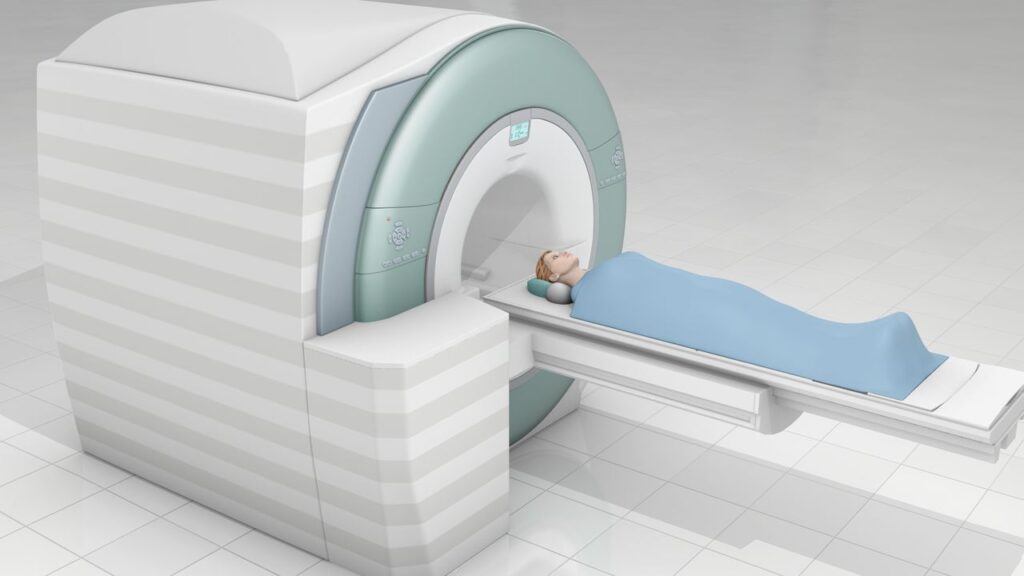
If you have neck pain after a car accident, you may wonder if an MRI is necessary to diagnose it. If you’ve been told about herniated discs after motor vehicle accidents, you may want to know if an MRI is the best way to diagnose it. However, diagnosing whiplash pain can be a complex issue, and MRI scans may not always provide the answer.Research published in 2008 in European Spine Journal by Kongstead et al (1) concluded that MRI is not the answer to the diagnosis of pain in most of the patients that develop long-lasting pain after a whiplash injuryPatients who experience long-lasting pain after a whiplash injury often do not show trauma-related findings in an MRI scan. Trauma-related MRI findings, such as fractures, dislocations, disc separation from vertebral endplates, bleeding, spinal cord injury, and cord compression, are not very common in the majority of MRIs. However, the findings of disc bulges and herniations are very common, and the presence of these findings in asymptomatic MRIs raises questions about the origin of the pain.Whiplash injuries are believed to be a more complex phenomenon resulting from tissue injury at the time of the accident, followed by neuromodulation, central hypersensitivity, lowered pressure pain threshold, and hyperalgesia (2). These mechanisms will maintain a heightened state of pain, lower activity participation, increased muscle tension, movement impairments, etc. Therefore, whiplash injuries must be evaluated by clinicians trained in traumatic injuries. Clinical assessment often reveals positive findings of muscle spasms, trigger points, altered muscle activation patterns, impairments to the range of motion, nerve involvement, strength deficits, and other factors. The majority of which will not be revealed on MRIs. While MRIs are very necessary for more catastrophic injuries and non-resolving pain, a careful physical examination by trauma-trained physicians and physical therapists is always important.A well-developed treatment plan should combine your MRI results with clinical examination to provide the most effective improvements. Therefore, it is important to understand the complexities involved in whiplash injuries and what they could mean for patients.#crashtocure References: 1. Kongsted A, Sorensen JS, Andersen H, Keseler B, Jensen TS, Bendix T. Are early MRI findings correlated with long-lasting symptoms following whiplash injury? A prospective trial with 1-year follow-up. Eur Spine J. 2008;17(8):996-1005. doi:10.1007/s00586-008-0687-92. Astrup J, Gyntelberg F. The Whiplash Disease Reconsidered. Front Neurol. 2022;13:821097. Published 2022 Mar 10. doi:10.3389/fneur.2022.821097″Advance Therapy blogs and clinical information are educational resources by Advance Therapy clinical employees. The content provided here represents the opinion of the individual author based on their expertise and experience. The content provided in this blog is for informational purposes only, does not constitute medical advice, and should not be relied on for making personal health decisions.”

Whiplash V. Whiplash Associated Disorder
The term soon began to be utilized as a condition rather than the force itself. The term Whiplash Associated Disorder (WAD) encompasses the collective symptoms that affect the head and neck after a Whiplash injury. So, Whiplash is a force whereas WAD is termed to describe the conditions and presentation of the injury.Any delays in getting evaluated and treated by a licensed physical therapist result in impaired cervical mobility, pressure hypersensitivity, the development of chronic pain, trigger points in the neck and arms, and headaches. It is not a surprise that whiplash injuries, though significantly painful, are often accompanied by diagnostic workups without any major structural pathology to the spine. The reason behind this is the complex phenomenon of how pain is generated, and transmitted and the associated factors that make it intense.Whiplash Associated Disorders are classified into the following categories by the Quebec Task Force Grade 0 : No complaint about the neck. No physical signs. Grade I : Neck complaint of pain, stiffness or tenderness only. No physical sign(s). Grade II : Neck complaint AND musculoskeletal sign(s). Musculoskeletal signs include decreased range of motion and point tenderness. Grade III : Neck complaint AND neurological sign(s). Neurological signs include decreased range of motion and point tenderness. Grade IV: Neck complaint AND fracture or dislocation. Higher grades in WADs will require more intensive treatments and longer recovery and may have a poor prognosis.Licensed physical therapists with knowledge of this area will perform careful examinations to evaluate the structures involved, source of pain, mobility restrictions, musculoskeletal and neurological signs, neurodynamics, palpable tenderness, pressure sensitivity, vertebrobasilar insufficiency, etc.Grade 1-3 WADs are usually successfully treated with multimodal physical therapy interventions with notable improvements in cervical spine pain, headaches, neurological signs, musculoskeletal signs, range of motion, strength, etc.Referrals are made to specialists when tested positive for neurological involvement, grade 4 WAD, positive sign for VBI, or worsening symptoms. References: Fernández-Pérez AM, Villaverde-Gutiérrez C, Mora-Sánchez A, Alonso-Blanco C, Sterling M, Fernández-de-Las-Peñas C. Muscle trigger points, pressure pain threshold, and cervical range of motion in patients with high level of disability related to acute whiplash injury. J Orthop Sports Phys Ther. 2012;42(7):634-641. doi:10.2519/jospt.2012.4117 Pastakia K, Kumar S. Acute whiplash-associated disorders (WAD). Open Access Emerg Med. 2011;3:29-32. Published 2011 Apr 27. doi:10.2147/OAEM.S17853″Advance Therapy blogs and clinical information are educational resources by Advance Therapy clinical employees. The content provided here represents the opinion of the individual author based on their expertise and experience. The content provided in this blog is for informational purposes only, does not constitute medical advice, and should not be relied on for making personal health decisions.”

How does physical therapy help with neck pain after an accident?
Injuries to the neck region (cervical spine) have been deeply studied for several decades by many researchers in healthcare. Pain in the neck is often described as “Whiplash” which was first coined by Harold Crowe in 1928. The term has since then evolved with more advancements in the field of diagnostic imaging, treatments, and rehabilitation. Early physical therapy is strongly advocated after a motor vehicle accident.Any delays in getting evaluated and treated by a licensed physical therapist result in impaired cervical mobility, pressure hypersensitivity, the development of chronic pain, trigger points in the neck and arms, and headaches. It is not a surprise that whiplash injuries, though significantly painful, are often accompanied by diagnostic workups without any major structural pathology to the spine. The reason behind this is the complex phenomenon of how pain is generated, and transmitted and the associated factors that make it intense.A licensed physical therapist with knowledge in this area will perform a careful evaluation explain to you the clinical presentation of your injuries and develop a multimodal treatment plan to effectively reduce your pain and the anticipated timeline. Treatments will consist of utilizing anti-inflammatory modalities, manual therapy approaches to reduce pain, spasms, and muscle knots (Trigger Points), decompressing the injured joints, discs, and pinching nerves, exercises to restore your mobility and strength, and strengthening muscles to stabilize the injured area. References: Fernández-Pérez AM, Villaverde-Gutiérrez C, Mora-Sánchez A, Alonso-Blanco C, Sterling M, Fernández-de-Las-Peñas C. Muscle trigger points, pressure pain threshold, and cervical range of motion in patients with high level of disability related to acute whiplash injury. J Orthop Sports Phys Ther. 2012;42(7):634-641. doi:10.2519/jospt.2012.4117 Pastakia K, Kumar S. Acute whiplash-associated disorders (WAD). Open Access Emerg Med. 2011;3:29-32. Published 2011 Apr 27. doi:10.2147/OAEM.S17853″Advance Therapy blogs and clinical information are educational resources by Advance Therapy clinical employees. The content provided here represents the opinion of the individual author based on their expertise and experience. The content provided in this blog is for informational purposes only, does not constitute medical advice, and should not be relied on for making personal health decisions.”