
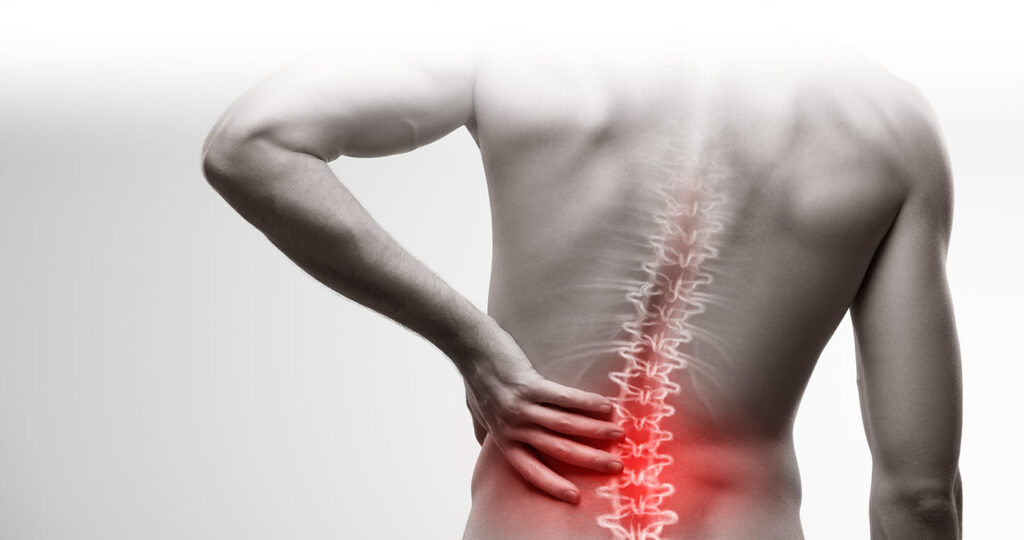
How Physical Therapy Can Help You Relieve Low Back Pain Therapy Houston
Physical Therapy can help! Physical Therapy is a type of treatment that uses exercise, massage, and other techniques to help you improve your range of motion, strength, and flexibility. If you’re interested in learning more about how Physical Therapy can help you with your lower back pain, please read on. What Is Physical Therapy? Physical therapy, also known as physical therapy, is a healthcare profession that helps people improve their movement and function. Physiotherapists use a variety of techniques, including exercise, massage, and manual therapy, to help people with a wide range of conditions, including lower back pain. How Does Physical Therapy Work For Lower Back Pain? Physical Therapy works by using a variety of techniques, including: Exercise: Physiotherapists will design a personalized exercise program to help you strengthen your core muscles and improve your flexibility. Massage: Massage can help reduce pain and inflammation. Heat therapy: Heat therapy can help to relax muscles and reduce pain. Cold therapy: Cold therapy can help reduce inflammation and pain. Electrical stimulation: Electrical stimulation can help reduce pain and improve muscle function. What Are The Benefits Of Physical Therapy For Low Back Pain Treatment Houston? The benefits of physical therapy for lower back pain include: Pain relief Improved range of motion Increased strength Improved balance and coordination Reduced inflammation Improved quality of life Exercises to Overcome Lower Back Pain Here are some exercises that can help to overcome lower back pain: Knee to chest stretch: Lie on your back with your knees bent. Bring one knee towards your chest and hold it with both hands. Hold for 30 seconds and repeat on the other side. Cat-cow Exercise: Start on your hands and knees, with your back straight. As you inhale, arch your back and look up. As you exhale, round your back and tuck your chin towards your chest. Repeat 10 times. Bird dog Exercise: Start on all fours, with your hands under your shoulders and your knees under your hips. Extend your right arm and left leg straight out in front of you. Hold for 30 seconds and repeat on the other side. Bridge Exercise: Lie on your back with your knees bent and your feet flat on the floor. Place your arms at your sides, palms down. Slowly raise your hips off the floor until your body forms a straight line from your shoulders to your knees. Hold for 30 seconds and lower back down. Plank Exercise: Start in a push-up position with your forearms on the ground directly under your shoulders and your body in a straight line from your head to your heels. Engage your core and tighten your glutes. Hold the position for as long as you can, making sure to maintain good form. How to Prevent Lower Back Pain Maintain a healthy weight: Carrying extra weight can put extra strain on your back. Strengthen your core muscles: Strong core muscles can help support your back and prevent pain. Stretch regularly: Stretching can help improve your flexibility and reduce your risk of injury. Lift with your legs, not your back: When lifting something heavy, bend your knees and lift with your legs. Take breaks: If you have to sit for a long time, get up and move around every 20-30 minutes. Use good posture: When you’re standing, sitting, or lying down, make sure your spine is in a neutral position. Avoid smoking: Smoking can weaken your bones and make you more likely to develop osteoporosis, which can increase your risk of back pain. Get enough sleep: When you’re well-rested, your body is better able to heal and repair itself. Q1. How Do I Get Rid Of Lower Back Pain? There are a number of ways to get rid of lower back pain. Some common treatments include: Rest Applying Ice therapy Applying Heat therapy Over-the-counter pain medication Physical therapy Surgery Q2. What Are The Causes Of Lower Back Pain? Poor Posture and Ergonomics: Prolonged sitting, especially with improper posture or inadequate lumbar support, can strain the muscles and structures in the lower back, leading to pain. Muscle Strain: Overstretching or tearing of the muscles and ligaments in the lower back, often due to improper lifting, sudden movements, or poor posture. Herniated Disc: When one of the intervertebral discs in the spine protrudes or ruptures, it can put pressure on the nearby nerves, resulting in lower back pain. Traumatic Injury: Accidents, falls, or sports-related injuries can cause fractures, sprains, or other traumatic damage to the structures in the lower back, resulting in pain. Q3. Why Does My Lower Back Hurt So Much? Poor posture and prolonged sitting or standing in positions that stress the lower back. Lack of regular exercise and physical activity leads to weak muscles. Emotional stress and tension lead to muscle tightness and increased sensitivity to pain. Medical conditions like kidney stones, infections, or endometriosis may cause referred pain. Excess weight or obesity puts added strain on the lower back If you are experiencing lower back pain, do not hesitate to seek help from the Back Pain Specialist Houston at Advance Physical Therapy in Houston. We can help you diagnose the cause of your pain and develop a treatment plan that will help Back Pain Relief in Houston you get back to your normal activities.
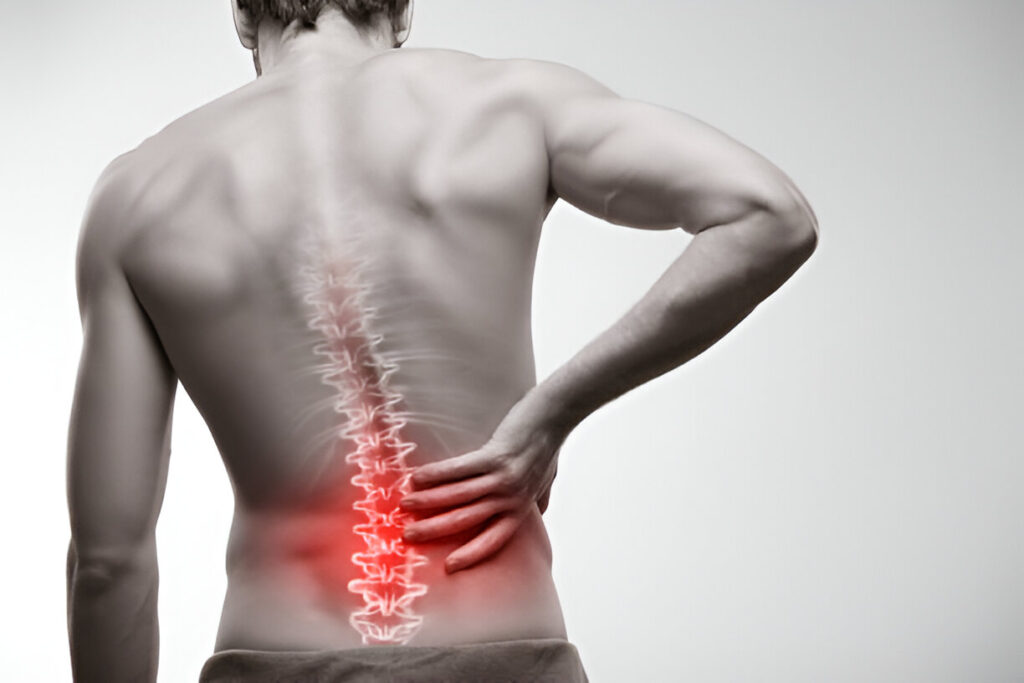
Back in Action: Treating And Preventing Back Pain By Physiotherapy
Houston Back Pain is a common ailment that affects people of all ages and backgrounds. Whether it’s due to a sedentary lifestyle, poor posture, or an injury, back pain can significantly impact an individual’s quality of life. While various treatment options are available, physiotherapy has emerged as an effective approach for treating and preventing Back Pain Relief in Houston. In this blog, Advance Physical Therapy will delve into the world of physiotherapy and explore how it can help individuals get back in action and alleviate their back pain. Before we delve into the role of physiotherapy in Back Pain Treatment Houston, it’s essential to understand the various factors that contribute to it. Low Back Pain Therapy Houston can be caused by muscle strains, herniated discs, spinal stenosis, poor posture, or even stress. Moreover, factors like obesity, lack of exercise, and sedentary lifestyles can increase the risk of developing back pain. Identifying the root cause of the pain is crucial for effective treatment and prevention. Role of Advance Physical Therapy to Prevent Back Pain Houston Physiotherapy is a healthcare profession that focuses on using physical techniques to treat injuries, improve mobility, and relieve pain. When it comes to back pain, physiotherapists play a vital role in helping patients regain strength, flexibility, and functionality. They develop personalized treatment plans based on the individual’s specific needs and goals. These plans often include a combination of exercises, manual therapy, education, and lifestyle modifications. Exercise Therapy One of the key components of physiotherapy for back pain is exercise therapy. Physiotherapists prescribe specific exercises to strengthen the muscles surrounding the spine, improve flexibility, and correct postural imbalances. These exercises may include stretching, core strengthening exercises, aerobic conditioning, and resistance training. Regularly performing these exercises helps to alleviate pain, prevent further injury, and promote overall spinal health. Manual Therapy Physiotherapists also employ manual therapy techniques to treat back pain. These techniques include joint mobilization, soft tissue manipulation, and spinal manipulation. Manual therapy helps reduce pain, restore joint mobility, and improve tissue healing. By targeting specific areas of dysfunction, physiotherapists can address underlying musculoskeletal imbalances and provide relief to individuals suffering from back pain. Education and Lifestyle Modifications Beyond exercises and manual therapy, physiotherapists educate patients on proper body mechanics, ergonomics, and posture. They provide guidance on how to prevent future episodes of back pain by making necessary modifications to daily activities and work environments. Educating individuals about their condition empowers them to take an active role in their recovery and helps them make informed choices to prevent future back problems. Preventing Back Pain Apart from treating back pain, Back Pain Specialist Houston also plays a crucial role in its prevention. Physiotherapists assess an individual’s movement patterns, posture, and lifestyle factors to identify potential risk factors for back pain. Through exercise programs, education, and ergonomic advice, physiotherapy helps individuals develop healthy habits and maintain optimal spinal health. By addressing the root causes and making necessary lifestyle changes, individuals can significantly reduce their risk of experiencing back pain. Physiotherapy is a powerful tool in the treatment and prevention of back pain. By combining exercises, manual therapy, education, and lifestyle modifications, physiotherapists empower individuals to take control of their back health and get back in action.
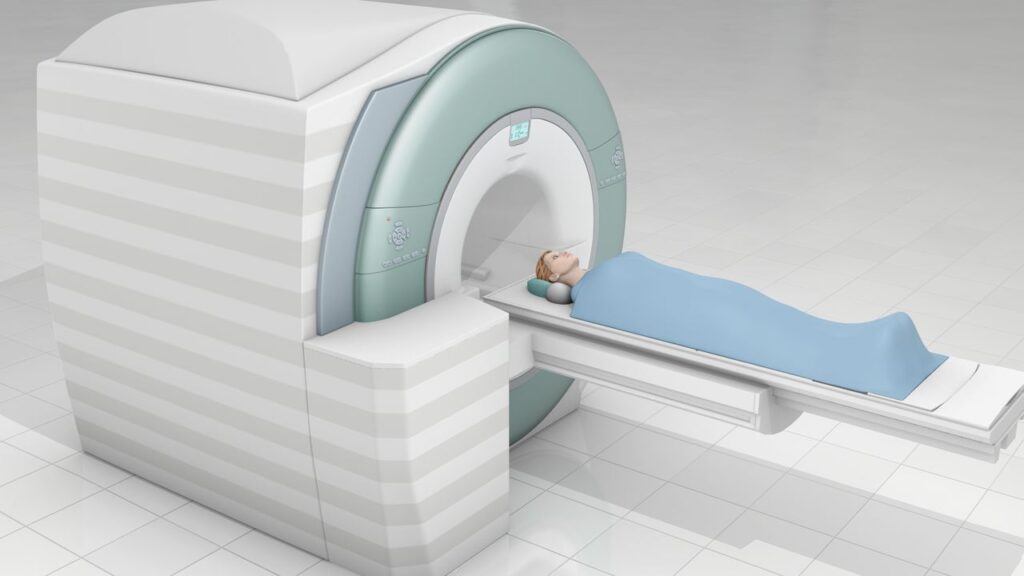
Why Isn’t MRI Always the Solution for Diagnosing Whiplash Pain?
If you have neck pain after a car accident, you may wonder if an MRI is necessary to diagnose it. If you’ve been told about herniated discs after motor vehicle accidents, you may want to know if an MRI is the best way to diagnose it. However, diagnosing whiplash pain can be a complex issue, and MRI scans may not always provide the answer.Research published in 2008 in European Spine Journal by Kongstead et al (1) concluded that MRI is not the answer to the diagnosis of pain in most of the patients that develop long-lasting pain after a whiplash injuryPatients who experience long-lasting pain after a whiplash injury often do not show trauma-related findings in an MRI scan. Trauma-related MRI findings, such as fractures, dislocations, disc separation from vertebral endplates, bleeding, spinal cord injury, and cord compression, are not very common in the majority of MRIs. However, the findings of disc bulges and herniations are very common, and the presence of these findings in asymptomatic MRIs raises questions about the origin of the pain.Whiplash injuries are believed to be a more complex phenomenon resulting from tissue injury at the time of the accident, followed by neuromodulation, central hypersensitivity, lowered pressure pain threshold, and hyperalgesia (2). These mechanisms will maintain a heightened state of pain, lower activity participation, increased muscle tension, movement impairments, etc. Therefore, whiplash injuries must be evaluated by clinicians trained in traumatic injuries. Clinical assessment often reveals positive findings of muscle spasms, trigger points, altered muscle activation patterns, impairments to the range of motion, nerve involvement, strength deficits, and other factors. The majority of which will not be revealed on MRIs. While MRIs are very necessary for more catastrophic injuries and non-resolving pain, a careful physical examination by trauma-trained physicians and physical therapists is always important.A well-developed treatment plan should combine your MRI results with clinical examination to provide the most effective improvements. Therefore, it is important to understand the complexities involved in whiplash injuries and what they could mean for patients.#crashtocure References: 1. Kongsted A, Sorensen JS, Andersen H, Keseler B, Jensen TS, Bendix T. Are early MRI findings correlated with long-lasting symptoms following whiplash injury? A prospective trial with 1-year follow-up. Eur Spine J. 2008;17(8):996-1005. doi:10.1007/s00586-008-0687-92. Astrup J, Gyntelberg F. The Whiplash Disease Reconsidered. Front Neurol. 2022;13:821097. Published 2022 Mar 10. doi:10.3389/fneur.2022.821097″Advance Therapy blogs and clinical information are educational resources by Advance Therapy clinical employees. The content provided here represents the opinion of the individual author based on their expertise and experience. The content provided in this blog is for informational purposes only, does not constitute medical advice, and should not be relied on for making personal health decisions.”

Whiplash Mystery: Unmasking Shoulder Involvement
Have you been experiencing an increase in neck pain after lifting or carrying light weights?Thinking of returning to lifting after a car crash injury?If you have, it’s essential to understand that whiplash injuries to the neck can impact more than just your cervical spine. Such injuries can affect your shoulder girdle and thoracic spine as well. This is why a thorough assessment at a physical therapy clinic is crucial to measure the function and integrity of your entire upper quadrant.Research has shown that after a traumatic neck injury, the muscle activity of your shoulder and scapular muscles, such as the rotator cuff and serratus anterior, can change significantly. These changes also affect the thoracic spine and result in a lower pressure pain threshold (PPT).1,2 Pressure Pain Threshold is the minimum pressure required to induce pain.In other words, you may experience heightened pain responses to lighter activities, such as carrying a grocery bag. Changes are noticed in the muscles on both sides of the injury(side of impact and opposite side), trauma to the tissues at the side of the impact can cause contralateral overuse and trigger points to the muscles that connect the neck with the spine and shoulders.To address these deficiencies, physical therapists trained in treating traumatic injuries can develop a treatment plan to help you return to your regular activities, including lifting weights or engaging in sporting activities that require significant upper body and shoulder workouts. Consulting with your sports medicine doctor or physical therapist is crucial to screen for any associated upper quadrant involvements.In conclusion, it’s essential to seek proper assessment and treatment for whiplash injuries that can impact your entire upper quadrant. With the right treatment plan, you can return to your regular activities safely and effectively. #crashtocure #advancephysicaltherapy References: 1. Christensen SW, Hirata RP, Graven-Nielsen T. Altered pain sensitivity and axioscapular muscle activity in neck pain patients compared with healthy controls. Eur J Pain. 2017;21(10):1763-1771. doi:10.1002/ejp.10882. Christensen SW, Hirata RP, Graven-Nielsen T. Bilateral experimental neck pain reorganize axioscapular muscle coordination and pain sensitivity. Eur J Pain. 2017;21(4):681-691. doi:10.1002/ejp.972″Advance Therapy blogs and clinical information are educational resources by Advance Therapy clinical employees. The content provided here represents the opinion of the individual author based on their expertise and experience. The content provided in this blog is for informational purposes only, does not constitute medical advice, and should not be relied on for making personal health decisions.”
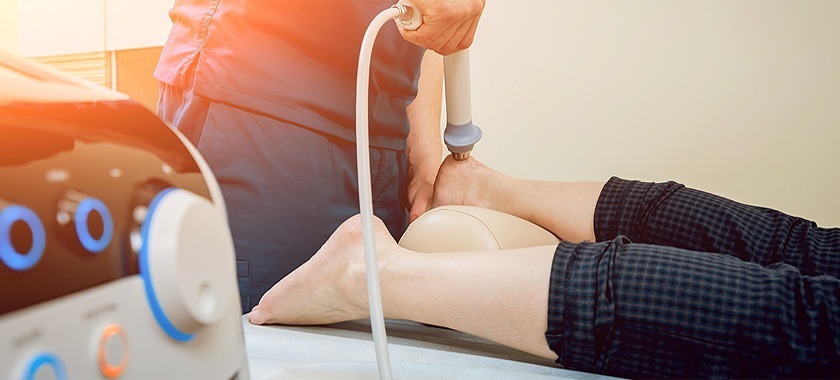
How does physical therapy help with neck pain after an accident?
Injuries to the neck region (cervical spine) have been deeply studied for several decades by many researchers in healthcare. Pain in the neck is often described as “Whiplash” which was first coined by Harold Crowe in 1928. The term has since then evolved with more advancements in the field of diagnostic imaging, treatments, and rehabilitation. Early physical therapy is strongly advocated after a motor vehicle accident.Any delays in getting evaluated and treated by a licensed physical therapist result in impaired cervical mobility, pressure hypersensitivity, the development of chronic pain, trigger points in the neck and arms, and headaches. It is not a surprise that whiplash injuries, though significantly painful, are often accompanied by diagnostic workups without any major structural pathology to the spine. The reason behind this is the complex phenomenon of how pain is generated, and transmitted and the associated factors that make it intense.A licensed physical therapist with knowledge in this area will perform a careful evaluation explain to you the clinical presentation of your injuries and develop a multimodal treatment plan to effectively reduce your pain and the anticipated timeline. Treatments will consist of utilizing anti-inflammatory modalities, manual therapy approaches to reduce pain, spasms, and muscle knots (Trigger Points), decompressing the injured joints, discs, and pinching nerves, exercises to restore your mobility and strength, and strengthening muscles to stabilize the injured area. References: Fernández-Pérez AM, Villaverde-Gutiérrez C, Mora-Sánchez A, Alonso-Blanco C, Sterling M, Fernández-de-Las-Peñas C. Muscle trigger points, pressure pain threshold, and cervical range of motion in patients with high level of disability related to acute whiplash injury. J Orthop Sports Phys Ther. 2012;42(7):634-641. doi:10.2519/jospt.2012.4117 Pastakia K, Kumar S. Acute whiplash-associated disorders (WAD). Open Access Emerg Med. 2011;3:29-32. Published 2011 Apr 27. doi:10.2147/OAEM.S17853″Advance Therapy blogs and clinical information are educational resources by Advance Therapy clinical employees. The content provided here represents the opinion of the individual author based on their expertise and experience. The content provided in this blog is for informational purposes only, does not constitute medical advice, and should not be relied on for making personal health decisions.”