

Why Early Physical Therapy Intervention is Key to Whiplash Recovery
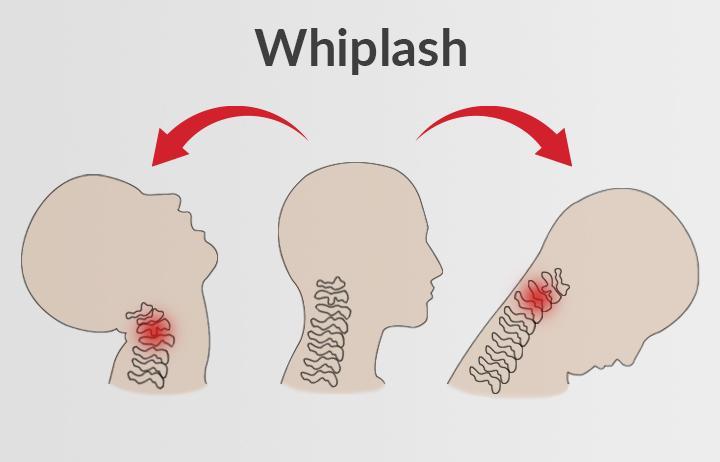
The most usual application of early physical therapy is whiplash treatment. There may be a feeling of ache and pain simply because it is impossible to use the neck immediately after an injury from a whiplash. Early physical therapy accelerates recovery shortly after the injury has occurred. A physical therapist first makes a diagnosis and then comes up with an adapted treatment plan for its management. Thus, their interventions are about pain relief and return of mobility in the muscles along with strengthening of cervical musculature. Initially, in the course of treatment, gentle exercises are applied so that pain does not get worse; further stages of recovery involve challenging exercises such as exercises to strengthen and increase flexibility. Additionally, patients are educated to maintain good posture and work ergonomically so that future problems can also be avoided. Early physical therapy may make it possible for the patient to eliminate the pain and begin to restore neck function in a short period of time. The sooner you begin the treatment after the injury, the more it creates an opportunity for a speedy recovery. The physical therapist will assess your condition and give you point-specific exercises for healing and returning to daily activities as soon as possible. What is Whiplash? Whiplash is a medical term for a neck injury caused when the head is suddenly jerked forward and then backward. The rapid movement often strains muscles and ligaments in the neck. It is an all-too-common phenomenon after car accidents but can occur when someone participates in contact sports or falls. Many people complain of pain and stiffness in their necks. If you think you may have whiplash, be sure to see a healthcare professional. Common Causes of Whiplash Whiplash can result from various activities and incidents. Here are some common causes and important considerations: Whiplash often occurs in contact sports like football or rugby, where impacts force the head in unexpected ways. Other possible causes of whiplash include: Falling Being abused Amusement rides Understanding these causes can help you become more aware of risk factors. If you experience symptoms after an incident, contact a healthcare provider. Early Signs and Symptoms of Whiplash to Watch For A neck injury caused by whiplash can result in various symptoms, such as pain, stiffness, headache, and dizziness. Other possible symptoms that may occur in some individuals include: Fatigue Difficulty concentrating Tinnitus Symptoms can appear immediately after the injury or may take a few days to develop. It is important to seek care promptly if you notice any early signs. Consult a doctor if you experience these symptoms so they can evaluate your condition and help you toward an appropriate treatment plan. How Does Whiplash Injury Occur? A whiplash injury causes a jerking action of the head backward, then forward, placing tension in the neck muscles and ligaments. It often happens during automobile accidents in which another vehicle hits from behind. Other examples include sports collisions or falls. Knowing how this happens makes you more careful. If you have had a hit or knock to the head, look for symptoms and seek the advice of a healthcare professional to get an evaluation. Immediate Actions Following a Whiplash Injury Start by trying to remain calm and assessing the severity of symptoms: Try not to move your neck if you are feeling pain or dizziness; apply ice on the affected area to help reduce swelling. Be sure to report all the details of what happened because this will prove very useful to the doctor. Do not wait to visit a doctor for proper assessment and subsequent treatments. Urgent Steps for Medical Attention See a doctor or other medical professional familiar with neck injuries. They should perform an examination and then make decisions about ordering imaging tests to determine the extent of your injury. All signs of a neck injury must be taken seriously, and the sooner you receive a diagnosis, the less likely it is that complications can arise. Informed patient behaviour is crucial. Key Initial Assessments and Examinations The first thing that is done is a patient’s assessment in terms of taking the patient’s history and conducting a physical examination by healthcare providers. One should check if the patient can flex, extend, and rotate and if he or she has any neurological deficits. More serious injuries are ruled out, if necessary, through X-rays and MRIs. All these assessments help determine what kind of treatment to give to a patient with a whiplash injury. Therefore, honesty about your symptoms is very important so that there may be proper diagnosis and treatment. You can ask any question you wish to during the tour; your clear understanding of the process is important. Importance of Timely Care for Recovery It is always recommended that you get expert care as early as possible to avoid complications. When you have been in situations that might cause whiplash, it’s best to get some scans and diagnoses done so as to ensure protection. This helps identify early risk factors and gives a better recovery window. How Early Physical therapy Intervention is Important in Whiplash Treatment Early treatment shortly after the injury can reduce your pain and restore proper neck function. Physical therapists would review your condition and give you specific exercises to promote healing. They would educate you on proper movement to avoid overstraining yourself again. Early physical therapy not only helps your body but also rebuilds your confidence in your actions. Preventing Chronic Pain Early physical therapy helps in the efficient management of symptoms. The physical therapist creates a customised plan that deals with pain and improves function as well. Regular treatment sessions keep you in line with your progress and stay monitored. The learning of appropriate movement patterns and exercises limits the chance of pain becoming chronic. Improving Mobility Physical therapy helps to revive the movement and flexibility of your neck. Physical therapists assess your condition and develop a personalised program of exercises to enhance your range of motion. These exercises help regain
5 Best Exercises To Treat Whiplash At Home
What is the fastest and easiest cure for whiplash ?The internet is rife with articles suggesting that Whiplash Associated Disorders (WAD) can be treated with a set of exercise routines. You may also find abundant unscientific literature on the internet stating that doing neck stretches, chin tucks, back twists, head rotations, or using bands will cure your whiplash. However, we mustn’t fall prey to such misleading information.What is Whiplash ?Whiplash is a force, strong enough to create stress and strain injuries to several different cervical spine tissues. Whiplash Associated Disorder (WAD) encompasses the collective symptoms that affect the head and neck after a Whiplash injury.Whiplash injuries, which result from car accidents, sports injuries, and diving accidents, do not have a one-size-fits-all remedy. The severity and nature of the injury can vary significantly, depending on the direction of the force applied, the position of the person, and the subsequent impact on the cervical spine tissues. No 5 exercises unfortunately exist that can cure this injury to your neck. Time elapsed since the injury is also a critical factor to consider (1).WAD is classified into four distinct grades based on the presence and nature of symptoms, physical signs, and neurological signs. Grade 0 refers to no neck complaints or physical signs, while Grade I and Grade II relate to neck complaints and musculoskeletal signs. Grade III and Grade IV are characterized by the presence of neurological signs and fractures or dislocations, respectively. Simply put different parts of your spine can be affected differently depending on the direction of the force that hits you. A collision happening from the rear end, a side impact, or a head-on collision will produce different mechanisms of injury. We must also take into consideration how your body reacted to that force, whether you braced yourself, your head hit the windshield, impact from the airbags, twisting of your spine, etc., and your position as a driver or rider. Your body will go through a tremendous impact in just a few seconds, which is why each patient will have an extremely different presentation and severity. Simply put different parts of your spine can be affected differently depending on the direction of the force that hits you. A collision happening from the rear end, a side impact, or a head-on collision will produce different mechanisms of injury. We must also take into consideration how your body reacted to that force, whether you braced yourself, your head hit the windshield, impact from the airbags, twisting of your spine, etc., and your position as a driver or rider. Your body will go through a tremendous impact in just a few seconds, which is why each patient will have an extremely different presentation and severity. Given the diversity of symptoms and their extent, it is essential to approach WAD with a customized treatment plan rather than a one-size-fits-all model It is important to note that the majority of patients with WAD exhibit symptoms beyond the cervical spine. As such, a detailed evaluation by a trained physical therapist or physician is highly recommended. Inappropriate treatment of WAD can result in chronic neck pain, headaches, and other long-term complications. Thus, a comprehensive treatment protocol should be followed, which includes a combination of rehabilitation treatments such as hands-on manual therapy, posture awareness, coordination, proprioceptive interventions, manual traction, anti-inflammatory modalities, and soft tissue techniques. In summary, while the internet may offer several quick-fix solutions to WAD, it is critical to recognize the complexity and diversity of the injury and approach it with a customized treatment plan. A thorough evaluation by a trained physical therapist or physician is recommended, and a comprehensive treatment protocol must be followed to ensure successful rehabilitation and minimize long-term complication. References: 1) Chrcanovic, Bruno, Larsson, Johan, Malmström, Eva-Maj, Westergren, Hans and Häggman-Henrikson, Birgitta. “Exercise therapy for whiplash-associated disorders: a systematic review and meta-analysis” Scandinavian Journal of Pain, vol. 22, no. 2, 2022, pp. 232-261. https://doi.org/10.1515/sjpain-2021-0064 “Advance Therapy blogs and clinical information are educational resources by Advance Therapy clinical employees. The content provided here represents the opinion of the individual author based on their expertise and experience. The content provided in this blog is for informational purposes only, does not constitute medical advice, and should not be relied on for making personal health decisions.”

Whiplash V. Whiplash Associated Disorder
The term soon began to be utilized as a condition rather than the force itself. The term Whiplash Associated Disorder (WAD) encompasses the collective symptoms that affect the head and neck after a Whiplash injury. So, Whiplash is a force whereas WAD is termed to describe the conditions and presentation of the injury.Any delays in getting evaluated and treated by a licensed physical therapist result in impaired cervical mobility, pressure hypersensitivity, the development of chronic pain, trigger points in the neck and arms, and headaches. It is not a surprise that whiplash injuries, though significantly painful, are often accompanied by diagnostic workups without any major structural pathology to the spine. The reason behind this is the complex phenomenon of how pain is generated, and transmitted and the associated factors that make it intense.Whiplash Associated Disorders are classified into the following categories by the Quebec Task Force Grade 0 : No complaint about the neck. No physical signs. Grade I : Neck complaint of pain, stiffness or tenderness only. No physical sign(s). Grade II : Neck complaint AND musculoskeletal sign(s). Musculoskeletal signs include decreased range of motion and point tenderness. Grade III : Neck complaint AND neurological sign(s). Neurological signs include decreased range of motion and point tenderness. Grade IV: Neck complaint AND fracture or dislocation. Higher grades in WADs will require more intensive treatments and longer recovery and may have a poor prognosis.Licensed physical therapists with knowledge of this area will perform careful examinations to evaluate the structures involved, source of pain, mobility restrictions, musculoskeletal and neurological signs, neurodynamics, palpable tenderness, pressure sensitivity, vertebrobasilar insufficiency, etc.Grade 1-3 WADs are usually successfully treated with multimodal physical therapy interventions with notable improvements in cervical spine pain, headaches, neurological signs, musculoskeletal signs, range of motion, strength, etc.Referrals are made to specialists when tested positive for neurological involvement, grade 4 WAD, positive sign for VBI, or worsening symptoms. References: Fernández-Pérez AM, Villaverde-Gutiérrez C, Mora-Sánchez A, Alonso-Blanco C, Sterling M, Fernández-de-Las-Peñas C. Muscle trigger points, pressure pain threshold, and cervical range of motion in patients with high level of disability related to acute whiplash injury. J Orthop Sports Phys Ther. 2012;42(7):634-641. doi:10.2519/jospt.2012.4117 Pastakia K, Kumar S. Acute whiplash-associated disorders (WAD). Open Access Emerg Med. 2011;3:29-32. Published 2011 Apr 27. doi:10.2147/OAEM.S17853″Advance Therapy blogs and clinical information are educational resources by Advance Therapy clinical employees. The content provided here represents the opinion of the individual author based on their expertise and experience. The content provided in this blog is for informational purposes only, does not constitute medical advice, and should not be relied on for making personal health decisions.”