
Pulmonary Physical Therapy Houston: How It Helps People with Lung Disease
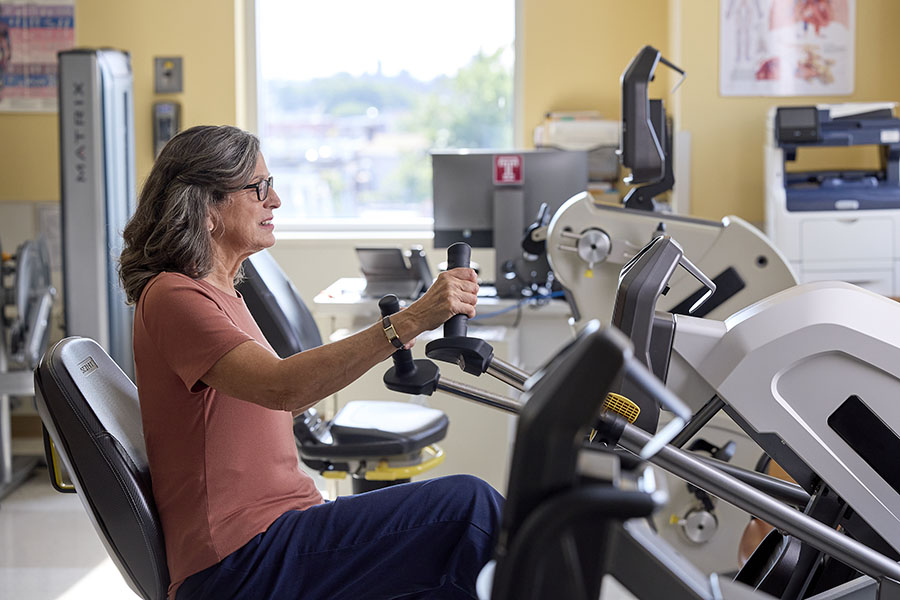
Lung disease is a condition that hampers lung function. There are three main types: airway diseases, lung tissue diseases, and lung circulation diseases. Anyone might suffer from lung disease, but your risk can increase if you smoke, are exposed to dust or fumes for a prolonged time, or have a family history of lung disease. The symptoms of lung disease include asthma, chronic bronchitis, influenza, pneumonia, lung cancer, Sarcoidosis, and pulmonary fibrosis. To get the necessary treatment, you need to book an appointment with a Pulmonary Therapy Houston. Pulmonary Therapy is a health program that helps spread awareness about the lungs and their diseases. Before starting the program, the doctor will assess your symptoms, oxygen needs, exercise capacity, health condition, including comorbidities, and mental health. How Pulmonary Therapy Houston Helps People Suffering from Lung Disease Exercise: One of the most essential components of pulmonary physical therapy is exercise. This physical activity helps you to breathe efficiently by improving your lung function, increasing physical endurance, and strengthening the muscles of the lungs. A healthcare expert will select the physical activity that you can perform safely, and during this session, you will have exercise sessions two to three days a week. The pulmonary therapy exercise might include warm-up and cool-down, stretching exercises, respiratory muscle training, resistance or weight training, etc. You will start with shorter exercises and gradually increase their duration over time. Each exercise you will do will last for a minute, and it might be extended for up to 30 minutes depending on your comfort. During this procedure, the doctor will ensure whether you are managing the level of exercise or not. He will also ask you whether you are feeling any kind of discomfort, including breathlessness, during the process. Education: Education is one of the most important things that can help a patient suffering from various disorders. For pulmonary therapy, you can visit Pulmonary Therapy Houston, which will guide you on how to manage the symptoms of Lung disease and how to live better with your lung condition. This includes managing shortness of breath, understanding medications, when to use supplemental oxygen, treating infections, and you can learn how to use medical equipment at home. Breathing retraining: When you suffer from lung disease, you might suffer from shortness of breath while doing regular activities. This is why breathing retraining is done during pulmonary therapy, which helps you to manage the condition of chronic lung disease, including breathlessness. The breathing retraining techniques might include controlled breathing techniques like diaphragmatic breathing or pursed lip breathing, relaxation techniques, and suggest a tripod/orthopedic position that helps to relieve shortness of breath. Mental health support: When an individual suffers from chronic lung disease, it might feel stressful to live with it. This is why mental health support is provided in a pulmonary rehabilitation cente,r which helps you to manage anxiety, stress, depression, and other mental health issues. The techniques used are relaxation/distraction techniques, counseling, support groups, and medications. Nutrition: Malnutrition can increase the risk of infections and respiratory failure in people suffering from lung diseases. This is because nutrition recommendation is given in pulmonary rehabilitation, which improves lung function and exercise tolerance and reduces the risk of complications. Depending on your current lung condition, the doctor might suggest proper nutrition, which helps to increase the strength of the lungs. This might mean you have to consume the necessary amount of protein and eat smaller but more frequent meals. If you are at higher risk of aspiration, the doctor might teach you swallowing techniques to minimize the risk. Conclusion: Lung disease is a serious condition that is caused by infections, environmental factors, and genetic conditions. The symptoms of this disease include shortness of breath, chronic cough, wheezing, chest pain, and excessive mucus production. To get the necessary treatment, you can visit a lung specialist in Houston. Pulmonary physical therapy is an awareness program that is advised by a healthcare expert to manage the symptoms of chronic lung diseases. This program includes exercise, education, breathing retraining, chest physical therapy, mental health support, and nutritional recommendations.
How Pulmonary Rehabilitation Enhances Senior Respiratory Health?
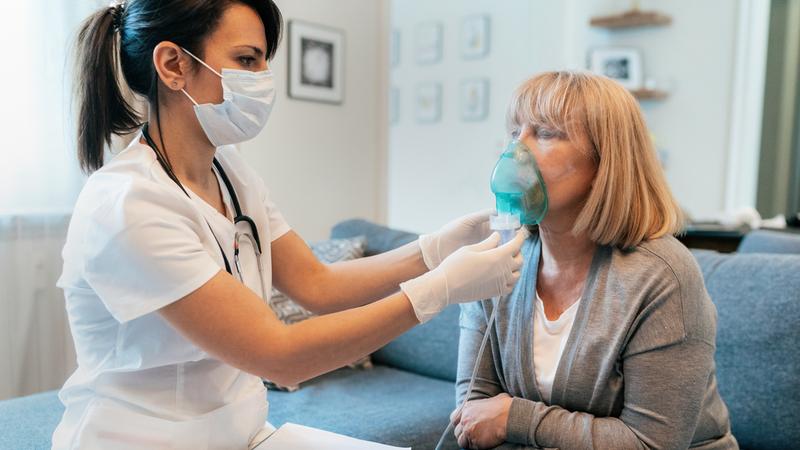
The golden years of life should be marked by vitality and well-being, yet respiratory challenges can cast a shadow over this chapter. Seniors facing conditions like Chronic Obstructive Pulmonary Disease (COPD), pulmonary fibrosis, or post-surgery recovery often find themselves grappling with reduced lung function and its subsequent impact on daily life. Enter pulmonary therapy—a transformative and holistic approach aimed at enhancing senior respiratory health. In this blog, we will delve into the multifaceted dimensions of pulmonary therapy at Advance Physical Therapy, exploring how it goes beyond mere exercises to breathe life and vibrancy into the senior years. Understanding Pulmonary Rehabilitation Houston Pulmonary Rehabilitation Services for Older Adults is a specialized program that is meticulously crafted to cater to individuals grappling with chronic respiratory conditions, ranging from Chronic Obstructive Pulmonary Disease (COPD) to asthma and interstitial lung disease. However, its significance extends beyond those with specific diagnoses, proving highly beneficial for seniors even without overt respiratory issues. Components of Pulmonary Rehabilitation: Pulmonary Treatment Houston Tailored Exercise Programs: Central to pulmonary rehabilitation is a carefully curated exercise regimen. Unlike generic fitness routines, these programs are meticulously designed to cater to the unique needs and capabilities of each senior participant. Incorporating a variety of exercises, ranging from cardiovascular workouts to strength training, these programs aim to gradually improve lung capacity, boost endurance, and enhance overall physical fitness. The emphasis is not on pushing seniors to their limits but on creating a gradual and safe progression that aligns with individual capabilities. These tailored exercises contribute not only to improved respiratory function but also to increased muscle strength and cardiovascular fitness. Seniors engaging in these programs find themselves more equipped to navigate daily activities with ease, experiencing reduced fatigue and an enhanced sense of well-being. The tailored exercise component of pulmonary rehabilitation is a testament to our program’s commitment to promoting optimal health and vitality in the elderly population. Education on Respiratory Conditions: Knowledge is empowerment, and pulmonary rehabilitation places a strong emphasis on educating seniors about their respiratory conditions. This crucial aspect goes beyond physical exercises, providing seniors with valuable insights into the nature of their ailments and equipping them with the knowledge to actively manage their respiratory conditions. Participants in pulmonary rehabilitation gain knowledge about breathing techniques and strategies to cope with the challenges posed by chronic respiratory diseases. By fostering awareness and understanding, seniors become proactive participants in their health journey, making informed decisions that contribute to improved respiratory function and overall well-being. Education that we offer on respiratory conditions within the context of pulmonary rehabilitation empowers seniors, enabling them to take charge of their health and navigate daily life with a heightened sense of control and confidence. Nutritional Guidance: It plays a pivotal role in the holistic approach of pulmonary rehabilitation, recognising the intimate connection between diet and respiratory health. Seniors engaged in pulmonary rehabilitation benefit from our tailored nutritional guidance that goes beyond the conventional dietary recommendations. Our program emphasises the importance of a well-balanced diet rich in essential nutrients, vitamins, and minerals to support lung function and overall well-being. Seniors receive personalised advice on dietary choices that can positively impact their respiratory health. A nutritionally optimized diet not only aids in managing weight but also contributes to enhanced immune function, crucial for seniors with respiratory conditions. By addressing the nutritional aspect within the framework of pulmonary rehabilitation, seniors are empowered to make dietary choices that complement their respiratory health goals, fostering a comprehensive and proactive approach to overall well-being. Psychosocial Support: It forms a crucial pillar of pulmonary rehabilitation, recognising that respiratory health extends beyond physical well-being to include mental and emotional aspects. Seniors participating in pulmonary rehabilitation benefit from a supportive environment that addresses the psychosocial challenges often associated with chronic respiratory conditions. This includes access to support groups, counselling services, and coping mechanisms tailored to their unique needs. The emotional well-being of seniors is nurtured, promoting a positive outlook and resilience in the face of challenges. Psychosocial support not only acknowledges the emotional impact of respiratory conditions but actively works towards creating an atmosphere where seniors feel understood, valued, and connected. By addressing the psychosocial dimensions within the framework of pulmonary rehabilitation, seniors experience a holistic approach to health that recognizes the interconnectedness of mind and body, contributing to an overall enhanced quality of life. Benefits of Pulmonary Rehabilitation for Seniors Improved Respiratory Function: The primary goal of pulmonary rehabilitation is to enhance respiratory function. Through our carefully curated blend of tailored exercises, breathing techniques, and comprehensive education, seniors engaging in pulmonary rehabilitation witness a significant boost in their lung capacity, efficiency, and overall respiratory function. Our program’s focus on strengthening respiratory muscles contributes to reduced breathlessness, increased oxygenation, and a newfound ability to engage in daily activities with greater ease. Seniors often report enhanced energy levels and decreased fatigue, illustrating the profound impact of improved respiratory function on their overall vitality. The success of pulmonary rehabilitation in this aspect not only empowers seniors in managing their respiratory conditions but also cultivates a renewed sense of confidence and control over their health journey, allowing them to breathe life into their golden years with vigour and resilience. Enhanced Physical Fitness: It is a transformative outcome of pulmonary rehabilitation, contributing to a holistic improvement in senior respiratory health. Our tailored exercise programs within pulmonary rehabilitation are designed not only to enhance lung function but also to boost overall physical fitness. Seniors engaging in these programs experience improvements in cardiovascular fitness, muscle strength, and endurance. As a result, they find themselves more capable of navigating daily activities with greater ease and reduced fatigue. Our focus on personalised exercise regimens ensures that seniors progress at a pace aligned with their unique capabilities, promoting sustainable fitness gains. This holistic approach to physical well-being not only fosters respiratory health but also empowers seniors to maintain an active and independent lifestyle, embodying the essence of healthy ageing. The enhanced physical fitness achieved through pulmonary rehabilitation becomes a key contributor to the overall well-being