

Shoulder Pain After a Car Accident: Causes and Recovery
Shoulder pain has a way of sneaking up on you after a car accident. You walk away from the crash thinking your shoulder is fine, and then a couple of days later you can’t reach for a coffee mug or fasten your seatbelt without wincing. We see this pattern constantly at our Texas clinics — the shoulder takes a real beating in a wreck, often more than people realize at the scene. This guide explains why your shoulder hurts after a crash, how to tell the difference between a simple strain and something that needs more attention, the warning signs that your pain won’t resolve on its own, and how hands-on physical therapy gets the shoulder moving again. And since this is Texas, you can come straight to a physical therapist — no referral needed. How seatbelts and bracing cause shoulder injuries Two things happen to your shoulder in a collision, and both can leave you sore for weeks. First, there’s the seatbelt. The shoulder belt runs diagonally across your chest and over one shoulder — and in a crash, that belt locks hard to hold you in place. It’s doing its job and protecting you from far worse, but that sudden force concentrated on one shoulder can bruise the soft tissue, strain the muscles, and irritate the joint. A seatbelt shoulder injury usually shows up as tenderness right along the path of the belt. Second, there’s bracing. In the split second before impact, most people instinctively grab the steering wheel and stiffen their arms. When the crash hits, that braced arm transfers a huge jolt straight up into the shoulder. This is one of the most common ways the rotator cuff gets injured in a car accident — the force travels through a locked, tensed arm and strains the muscles and tendons that stabilize the joint. Side and rear impacts add their own twist, sometimes literally — the shoulder can get wrenched in a direction it wasn’t ready for. The result is the same: pain, stiffness, and a shoulder that doesn’t want to move the way it used to. Rotator cuff vs. labral vs. soft-tissue strain Not all shoulder pain is the same. Here’s what we typically see after a crash, from most common to least: Soft-tissue strain and bruising. The muscles and tissue around the shoulder get overstretched or bruised by the seatbelt or the impact. It’s painful and stiff, but the structure is intact — and this type usually responds well to therapy. Rotator cuff injury. The rotator cuff is a group of muscles and tendons that keep your shoulder stable and let you lift and rotate your arm. A car accident rotator cuff strain or tear often shows up as pain when reaching overhead, weakness when lifting, or an ache that’s worse at night and makes sleeping on that side miserable. Labral injury. The labrum is a ring of cartilage that helps hold the ball of your shoulder in its socket. A hard jolt can tear it, causing a catching or clicking sensation, a feeling that the shoulder might “give out,” and deep pain with certain movements. Joint and AC injuries. The acromioclavicular (AC) joint at the top of the shoulder can get sprained, leaving a tender, sometimes swollen spot right on top of the shoulder. You don’t need to diagnose yourself — that’s our job during the evaluation. But knowing these exist helps you understand why “just resting it” doesn’t always work. A rotator cuff or labral injury left alone can quietly get worse. Signs your shoulder pain isn’t going away on its own Plenty of minor shoulder soreness fades within a week or two. But some signs tell you it’s time to get it looked at rather than wait it out. Consider seeing a physical therapist if you have: Pain that’s lasted more than a week or two without improving Weakness when lifting your arm, or trouble raising it overhead at all Pain that wakes you up at night or stops you sleeping on that side A catching, clicking, or grinding feeling when you move the shoulder Stiffness that’s slowly getting worse instead of better A feeling that the shoulder is unstable or might “pop out” And a quick safety note: if you have numbness or tingling running down your arm, sudden severe weakness, or shoulder pain along with chest pain and trouble breathing, treat that as an emergency and get medical care right away — those can point to a nerve injury or something beyond the shoulder itself. For ordinary post-crash shoulder pain and stiffness, physical therapy is exactly the right place to start. The hands-on PT approach to shoulder recovery The goal of PT after a shoulder injury is straightforward: calm the pain, restore the range of motion the crash took away, and rebuild the strength and stability that keep the shoulder healthy — ideally without surgery or long-term pain medication. Here’s what a typical plan looks like at our clinics. A thorough hands-on evaluation first. Your therapist checks how far the shoulder moves, which positions trigger pain, your strength, and whether the rotator cuff or joint is involved. This tells us what’s actually driving the pain instead of just where you feel it. Hands-on manual therapy. This is where a lot of early relief comes from. Skilled, gentle manual therapy techniques ease muscle guarding, free up the stiff joint, and reduce the tension pulling on the shoulder. For seatbelt strains and joint irritation, this often takes the edge off within the first few visits. Restoring movement. Guided, progressive stretching brings back the range of motion you’ve lost, so reaching, dressing, and driving stop being a struggle. Rebuilding strength and stability. As the pain settles, we add targeted exercises for the rotator cuff and the muscles around the shoulder blade. This is the step that actually prevents the injury from lingering or coming back — and it’s the part people who tough it out on their own almost always skip. Because

Neck Pain After a Car Accident: Recovery Guide | Advance PT
Neck pain is the single most common complaint we hear after a car accident. Someone gets rear-ended at a red light, walks away feeling shaken but okay, and then wakes up the next morning barely able to turn their head. If that sounds like you, you’re in the right place. This guide covers what causes neck pain after a crash, the warning signs that need a doctor right away, how long recovery usually takes, and what treatment actually looks like — all from a clinic that treats these injuries every single week across Texas. The most important thing to know up front: neck pain after a wreck is common, it’s treatable, and starting care early makes a real difference. And in Texas, you can come straight to a physical therapist — no referral needed. What causes neck pain after a car accident? When a car gets hit, your body absorbs a sudden, violent change in speed. Your seatbelt holds your torso in place, but your head — which weighs about as much as a bowling ball — gets whipped forward and back before the muscles can react. That rapid motion is where most neck injuries come from. Here’s what’s usually behind the pain: Whiplash. This is the big one. The sudden back-and-forth motion overstretches and strains the muscles, ligaments, and soft tissue in your neck. Whiplash neck pain is the reason so many people feel fine at the scene and stiff the next day. Muscle and ligament strain. The supporting tissues that hold your neck steady get overstretched, leaving you with a stiff neck after the accident, aching, and a limited range of motion. Joint irritation. The small facet joints in your cervical spine can get jarred and inflamed, causing sharp pain when you turn or tilt your head. Disc injury. In harder impacts, the cushioning discs between the vertebrae can bulge or herniate, sometimes pressing on a nerve. Nerve irritation. When a nerve in the neck gets compressed or inflamed, the pain can travel into the shoulder or arm, sometimes with tingling or numbness. A rear-end collision is the classic setup for whiplash, but neck pain shows up after side impacts and head-on crashes too. The speed of the crash doesn’t always match the severity of the injury, either — plenty of low-speed fender benders leave people with weeks of neck pain. Why neck pain is often delayed One of the most common questions we get is, “Why didn’t my neck hurt right after the crash?” The answer is adrenaline. In the moments after an accident, your body floods with stress hormones that mask pain and keep you functioning. Once that wears off — usually within a day or two — the real soreness sets in. This delay is completely normal and doesn’t mean your injury is worse. But it’s exactly why we tell people not to brush off a crash just because they “feel fine.” Soft-tissue injuries like whiplash often take 24 to 72 hours to fully show themselves. Red-flag symptoms: when to see a doctor right away Most neck pain after an accident is soft-tissue injury that heals well with the right care. But some symptoms point to something more serious involving the spine or nerves. Go to the emergency room or call 911 if you have any of these after a crash: Numbness, tingling, or weakness in your arms, hands, or legs Severe neck pain that doesn’t ease at all, or pain with a “shooting” electric quality Loss of bladder or bowel control Trouble walking, balancing, or coordinating your movements A severe headache that came on suddenly or keeps getting worse Confusion, slurred speech, vision changes, or loss of consciousness Pain that wraps around to your chest along with trouble breathing These can signal a spinal cord injury, a fracture, nerve damage, or a concussion — all things that need imaging and a physician’s evaluation first. When you’re in doubt, get checked at the ER. Physical therapy comes after you’ve been cleared of anything dangerous. What to do for neck pain after a car accident Once serious injury has been ruled out, here’s the practical path most of our patients follow to recover well: Don’t wait it out. The old advice of “rest and see if it goes away” often backfires. When you stop moving a stiff neck, the muscles tighten further and recovery drags on. Gentle, guided movement usually heals faster. Get evaluated early. A physical therapist can assess exactly which tissues are injured and start a plan before compensations and chronic stiffness set in. Manage the early pain sensibly. Ice in the first day or two and gentle movement within a comfortable range help calm things down. Your therapist will guide what’s safe. Keep moving within reason. Light, pain-free motion keeps blood flowing and prevents the stiffness that turns a short recovery into a long one. Document everything. If it was someone else’s fault, keep records of your symptoms and care. This matters for your insurance claim. Because we deal with auto-accident injuries constantly, we also handle the insurance side. If you’re working through a motor vehicle accident claim, we can coordinate with your PIP coverage and your attorney so you can focus on healing instead of paperwork. Neck pain and headaches after a car accident Headaches go hand in hand with whiplash, and they catch a lot of people off guard. When the muscles at the base of your skull and the upper part of your neck get strained, they can refer pain upward into the head — these are called cervicogenic headaches. They often feel like a dull, throbbing ache that starts at the back of the neck and spreads toward the forehead or behind the eyes. The good news is that when we treat the neck, these headaches usually settle down too. If your headaches are severe, come with vision changes, or follow a knock to the head, mention it — that combination can point to a concussion, which we

Car Accident Injury Treatment Houston: Why It Shouldn’t Be Delayed
The result of car accidents is more than 2 million hospital visits every year across the United States. This doesn’t even include those who try to manage their symptoms on their own or think the injuries they sustain aren’t serious enough to require medical care. The majority of injuries resulting from a collision with a vehicle will require medical attention In fact, ignoring possible signs isn’t an option. Our experienced team, located at Advance Physical Therapy, is headed by board-certified specialists who diagnose and treat various painful ailments that are caused by motor vehicle accidents in Houston to make sure you are in good health for the long haul. Let’s explore car accident injury, and consider the need for effective treatment. Common car accident injuries Accidents involving cars can cause a wide spectrum of injuries, based upon factors like the force of impact as well as whether or not you wore the seatbelt. A few of the most commonly reported accidents that result in injuries ranging from fender benders up and full-on accidents include: A bruise or fractured rib Concussions Joints dislocated Facial injuries Fractures Organ damage Injuries to the spinal cord Tensions and strains Traumatic brain injury (TBI) Whiplash It is also possible to be prone to developing post-traumatic stress disorder after experiencing the stress of a particular event. Some of these ailments can be identified immediately because of symptoms such as severe bleeding or mental agitation, while others may take time to manifest – common concerns addressed in motor vehicle injuries in Houston treatment. What are the reasons to take medical advice following an Auto Accident? There are times when certain auto accident injuries show on the horizon later, for instance, headaches when an injury gets worse and so on but the surge of adrenaline you felt in the aftermath of an accident may mask the hurt. If you don’t take care of your injury, or if it gets worse, putting off treatment could result in complications such as persistent discomfort. Seeking medical treatment following an accident could help you avoid the need for more expensive treatments as well as accrued medical expenses in the future. The prompt diagnosis can enhance the quality of your life and can even enhance your recovery from an injury. Solutions for pain caused by an injury sustained in a car crash With the way that widespread chronic pain is both in all types of accidents and in general having it checked by an expert. The team of Advance Physical Therapy develops individualized treatment plans according to the nature and severity of the injury as well as your general well-being. If you’re experiencing severe neck or back discomfort then you could be an ideal candidate for an epidural. The injections are placed into the spinal cord, release anesthesia and cortisone to help with decreased inflammation and pain. If you’re feeling discomfort in only one area in your body like the lower or upper back epidurals, as well as medial branch blockages of nerves that prevent pain signals between your affected area and the brain could help. If you have a nerve injury or complicated region-wide pain in the aftermath of an accident we might consider spine cord stimulation. This device makes use of small electrical signals to ease the suffering. If you are experiencing persistent or mild discomfort, we can recommend pain medications over-the-counter as well as modified exercises or physical therapy. Often, a combination of these approaches leads to the most effective results in auto accident injury treatment in Houston. How Chiropractic Care Can Help After an Auto Accident Injury? Accidents in the car can have lasting consequences for your body even if the injuries aren’t evident. From back pain to whiplash the physical effects from a collision could disrupt the way you live and your long-term well-being. Advance Physical Therapy in Houston provides expert chiropractic treatments to help you heal and restore mobility following injuries sustained in an accident. Common Injuries after an Auto Accident Automobile accidents may cause many injuries, and some aren’t apparent at first. Whiplash is the most prevalent which occurs when a head abruptly jerks forward and back, which can cause neck stiffness, pain as well as headaches. Back pain can also be a problem due to the fact that the force of collisions may strain ligaments, muscles, and discs in the spinal column. Additionally, issues like joints that are misaligned or soft tissue injury, could cause swelling, pain, or reduced mobility. Why Choose Chiropractic Care? Chiropractic treatments focus on the musculoskeletal body, so it is ideal to treat injuries from accidents. At Advance Physical Therapy, we use gentle, hands-on procedures to alleviate discomfort, improve alignment, and encourage the natural healing process. Chiropractic adjustments help to reduce inflammation and improve mobility, and help prevent the development of long-term problems. How Chiropractic Care Supports Recovery A quick chiropractic visit can dramatically enhance healing. Adjustments can help align the joints and spine which reduces tension while promoting greater functioning. Massage and other soft-tissue therapies, including massage and stretching, help reduce inflammation and restore flexibility. In addressing the root causes of pain and discomfort, chiropractic treatment accelerates healing and reduces the possibility of long-term discomfort or injuries that could cause further complications. What to Expect During Your Visit Following an accident in the car after an accident, we will assess your situation and develop a customized treatment program. According to your specific needs, treatments may involve chiropractic adjustments, exercises for therapeutic purposes, and lifestyle advice for your healing. In Advance Physical Therapy, We follow the whole approach to treating. When to Seek Chiropractic Care Even if you do not feel any pain immediately you should get medical attention as quickly as you can follow an auto collision. Certain injuries, such as whiplash, may take a long time to show up. An early detection of concealed injuries avoids injuries and speeds up healing. Take the First Step toward Recovery The process of recovering from an auto collision injury takes time.
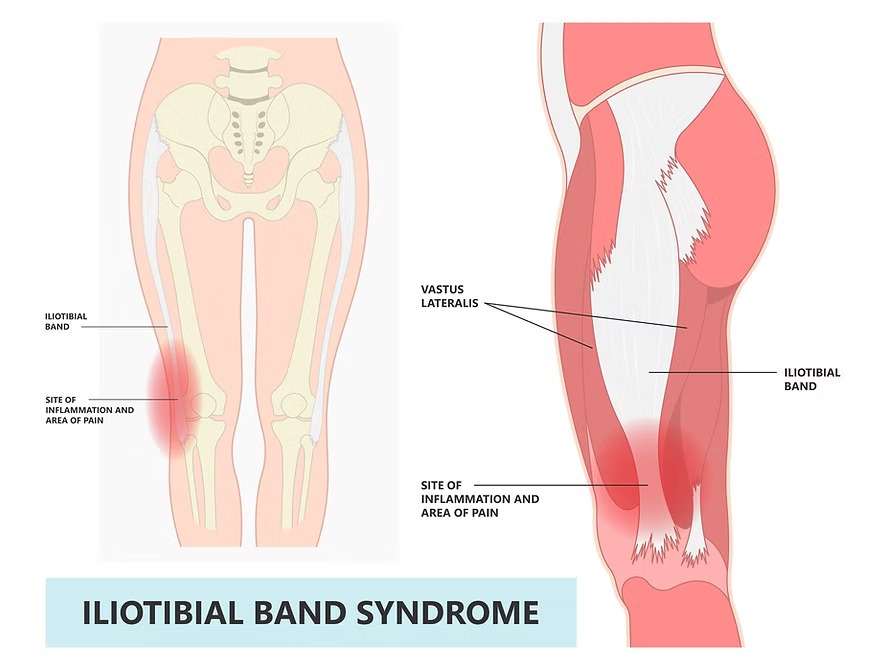
Iliotibial Band Syndrome (ITBS): A Common Overuse Injury
ITBS, commonly referred to as “runner’s knee,” is a prevalent overuse injury affecting athletes, particularly runners and cyclists (Taunton et al., 2002). This condition accounts for a significant proportion of lateral knee pain and is typically associated with repetitive motion activities. Etiology and Pathophysiology ITBS is primarily caused by repetitive knee flexion and extension, leading to stress on the iliotibial band (ITB) (Fairclough et al., 2007). The friction theory suggests that repetitive gliding of the ITB over the lateral femoral epicondyle causes inflammation and pain (Messier et al., 2018). Risk Factors Intrinsic factors contributing to ITBS include anatomical variations, such as genu varum, excessive internal tibial torsion, and weak hip abductors (Taunton et al., 2002). Extrinsic factors involve sudden changes in training intensity, running on uneven or downhill surfaces, and improper footwear (Messier et al., 2018). Epidemiology ITBS is one of the most common causes of lateral knee pain in runners, accounting for 1.6% to 12% of injuries in this population (Taunton et al., 2002). Among cyclists, ITBS comprises 15% to 24% of overuse injuries (Willick et al., 2018). Clinical Presentation and Diagnosis Patients with ITBS typically present with lateral knee pain, worsening with activities involving repetitive knee flexion and extension (Fairclough et al., 2007). Physical examination and imaging studies, such as MRI, may be used to confirm the diagnosis. Treatment Options Conservative management is the primary approach, focusing on reducing inflammation, relieving pain, and correcting biomechanical imbalances (Messier et al., 2018). Treatment options include: – Activity modification – Physical therapy – Nonsteroidal anti-inflammatory drugs (NSAIDs) – Corticosteroid injections Surgical interventions, such as ITB release and bursectomy, may be considered in refractory cases. References: Fairclough, J., Hayashi, K., & Lyons, K. (2007). Iliotibial tract friction syndrome. Journal of Orthopaedic and Sports Physical Therapy, 37(10), 636-644. Messier, S. P., Edwards, D. G., & Martin, D. F. (2018). Etiology and prevention of Iliotibial band friction syndrome. Journal of Athletic Training, 53(5), 456-464. Taunton, J. E., Ryan, M. B., & Clement, D. B. (2002). A retrospective case-control analysis of 2002 running injuries. British Journal of Sports Medicine, 36(2), 95-101. Willick, S. E., & Hansen, P. A. (2018). Cycling injuries. Journal of Orthopaedic and Sports Physical Therapy, 48(5), 432-441.