

Concussion Physical Therapy: What It Treats, What Happens at Each Visit, and When to Start
The ER visit went fine. The scan was clear, and you were told it’s a concussion, so rest up and it should pass. Two weeks later, grocery store aisles still make you dizzy. Headaches build by mid-afternoon, and your neck hasn’t felt right since the crash. That gap between “you’ll be fine” and actually feeling fine is where concussion physical therapy comes in. It isn’t about waiting longer. It’s about finding which systems are still off and retraining them. Here’s what it treats, what each visit looks like and when to start. Concussion physical therapy is a structured rehab program for the physical symptoms that linger after a concussion: dizziness, balance problems, neck pain, headaches, eye-focusing trouble and poor tolerance for exercise. A physical therapist tests the neck, inner-ear balance system, eye movements and exertion response, then uses graded exercise and hands-on care to reduce symptoms. Most people recover from a concussion within weeks. A 2022 American Physical Therapy Association (APTA) patient fact sheet puts that figure at 80 to 90 percent. Physical therapy matters most for everyone else: people whose symptoms hang on, and people whose injury also strained the neck. Current guidance favors early, guided activity over long stretches of total rest. What Concussion Physical Therapy Treats Physical therapy targets the body systems a concussion most often throws off: the neck, vestibular and eye-movement control, tolerance for exertion, and balance. The APTA’s 2020 clinical practice guideline on concussion, published in the Journal of Orthopaedic & Sports Physical Therapy, organizes the physical therapy exam around these same areas. Few patients have trouble in every area, so matching each symptom to its system shapes the plan. What you notice System likely involved What physical therapy works on Dizziness when you turn your head, or the room seems to move Vestibular (inner ear and its brain connections) Gaze stabilization drills and habituation exercises Blurry vision while reading, trouble focusing, eye strain on screens Eye movement (oculomotor) control Eye-tracking, focusing and convergence work Headaches at the back of the head, a stiff or sore neck Neck (cervical spine) Joint mobilization, soft-tissue work and deep neck muscle training Symptoms spike when your heart rate rises Exertion tolerance (autonomic) Graded aerobic exercise below the symptom threshold Unsteady walking, poor balance in crowds or busy stores Balance and motor control Progressive balance and dual-task training When dizziness is the main complaint, the plan leans on vestibular rehabilitation, which retrains how the inner ear and brain keep you steady. Physical therapy doesn’t fix everything a concussion can cause. Memory problems, slowed thinking, anxiety, low mood and sleep disorders often need a physician, neuropsychologist or speech-language pathologist. A good physical therapist screens for these and refers you on. That makes PT one piece of broader concussion treatment, not a replacement for it. When to Start Physical Therapy After a Concussion Most people can start physical therapy after a concussion once a physician has ruled out a more serious brain injury. Symptoms that haven’t clearly improved after about 10 days are a common trigger, though starting sooner is fine. APTA patient guidance says light exercise is generally okay after the first 48 hours, increased as symptoms allow. A physical therapist turns that into specifics: how hard, how long and when to stop. Emergency Signs Come First A worsening headache, repeated vomiting, confusion, slurred speech, unequal pupils, a seizure or new weakness in an arm or leg needs emergency care, not physical therapy. We cover the full set of danger signs in our guide to headache after a car accident. Rehab starts once those are ruled out. A Clear Scan Doesn’t Rule Out a Concussion A normal CT scan or MRI doesn’t rule out a concussion. Those scans look for bleeding, swelling and fractures. A concussion is a functional injury that disrupts brain signaling without showing up on standard imaging. Months Later Isn’t Too Late Starting weeks or months after the injury still makes sense if symptoms linger. A late evaluation often finds someone who has built life around the symptoms: no night driving, no gym, sunglasses in the store. Those habits can be retrained, too. No Referral Needed to Start in Texas Texas allows direct access to physical therapy. Under House Bill 4099, which took effect September 1, 2025, a qualified physical therapist can evaluate and treat you for up to 30 consecutive days without a referral. Continuing past that window requires a referral from a physician or another authorized provider, and with a concussion, a physician visit is wise anyway. What Happens at Each Visit of Concussion Rehab Concussion rehab usually moves through three stages: a testing-heavy first visit, treatment visits that build tolerance, and final visits that confirm you can handle full activity. Pace depends on how many systems are involved, not a fixed number of sessions. Stage What the therapist does What you’re doing You move on when First visit Takes a detailed injury and symptom history, then tests the neck, eyes, balance and exertion Rating your symptoms before and after each test Your plan and home program are set Early treatment visits Gives hands-on neck care if needed, sets a heart-rate target and starts gaze and balance drills Short daily home exercises and light aerobic activity Symptoms settle faster after each session Middle treatment visits Raises the intensity and adds busier visual settings and dual-task drills Longer cardio, faster head movements and harder balance work Daily life no longer triggers symptoms Final visits Tests you at higher exertion and works on sport- or job-specific demands Near-normal workouts and activity You handle full activity without symptoms returning The First Visit: Testing the Systems Expect the first visit to be mostly testing. The therapist checks neck motion and the upper cervical joints, then runs eye and balance screens. One widely used tool is the Vestibular/Ocular Motor Screening (VOMS). It rates symptoms during tasks like tracking a moving target or turning your head while focusing on a letter. Many therapists also check how symptoms respond to

Concussion Care: Symptoms, Signs and Treatment at Advance Physical Therapy Houston
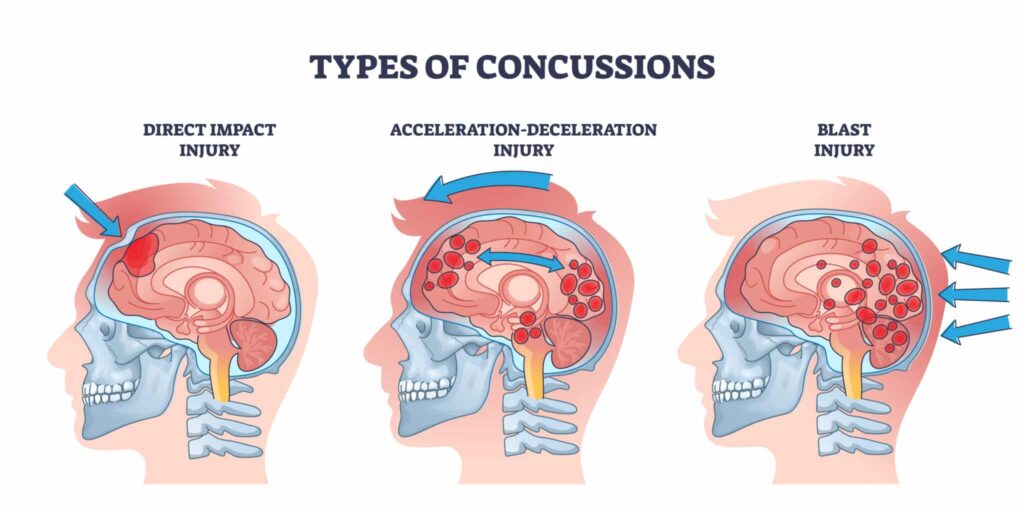
A concussion is one of the most common yet potentially serious types of brain injury. It occurs when a blow or jolt to the head causes the brain to move rapidly inside the skull. While concussions are often associated with sports, they can result from everyday accidents, falls, and motor vehicle collisions. This guide explains what a concussion is, its symptoms and causes, and the best options for concussion management in Houston, including specialized care at Advance Physical Therapy. What Is a Concussion? A concussion—also known as a mild traumatic brain injury (mTBI)—temporarily disrupts brain function. The sudden movement of the brain inside the skull can create chemical imbalances and, in some cases, damage brain cells. Although concussions are considered “mild,” they must be taken seriously. Proper diagnosis and treatment are crucial to prevent long-term complications, especially for patients who have experienced multiple concussions. Common Causes of Concussions Concussions are caused by direct or indirect force to the head or body. Typical scenarios include: Sports Injuries Contact sports such as football, boxing, soccer, and hockey carry a high risk of concussions. Non-contact sports like gymnastics or cycling can also cause head injuries. Falls One of the most frequent causes—especially in children and older adults. Motor Vehicle Accidents The rapid acceleration and deceleration during a collision can cause the brain to forcefully move inside the skull. Physical Assaults Any aggressive impact to the head may result in a concussion. Workplace or Industrial Accidents Construction, manufacturing, and other physically demanding jobs carry increased risk. Concussion Symptoms Concussion symptoms may appear immediately or develop within hours or days. They vary in intensity and may involve physical, cognitive, emotional, and sleep-related changes. Physical Symptoms Headache or head pressure Dizziness or balance problems Nausea or vomiting Sensitivity to light or noise Blurred or double vision Fatigue or drowsiness Cognitive Symptoms Difficulty concentrating Memory issues Feeling mentally “foggy” or slowed Emotional Symptoms Irritability Anxiety or nervousness Mood swings or sadness Sleep Disturbances Trouble falling asleep Sleeping more or less than usual Signs of a Concussion (Observed by Others) Unlike symptoms, which patients report, signs are behavioral changes that others may notice: Appearing dazed or confused Slurred speech Clumsy movements Brief loss of consciousness Difficulty responding to questions Sudden irritability or unusual behavior If any of these signs appear after a head injury, immediate medical evaluation is recommended. How Concussions Are Diagnosed At Advance Physical Therapy, concussion diagnosis involves: Medical History Review Understanding the cause of injury, current symptoms, and past concussions. Neurological Examination Evaluating balance, coordination, reflexes, vision, and hearing. Cognitive Testing Assessing memory, concentration, and processing speed. Imaging (CT/MRI) Not always required, but used to rule out more serious injuries like bleeding or swelling. Concussion Treatment: Steps to Recovery Timely and appropriate concussion treatment helps ensure full recovery and reduces complications. Immediate Rest Avoid physical activity and sports Limit screen time Rest in a quiet, dim environment Medical Management Acetaminophen for headaches (avoid NSAIDs initially) Medications for dizziness, nausea, or sleep issues if needed Cognitive Rest Minimize tasks requiring intense focus—schoolwork, work demands, digital screens—until symptoms improve. Gradual Return to Activity Under professional guidance: Start with light exercise Progress to non-contact activities Resume full activity only when fully symptom-free Rehabilitation If symptoms persist, specialized neuro-rehabilitation can help restore cognitive and physical function. Advance Physical Therapy offers individualized Concussion Treatment Houston programs for prolonged or complex cases. Possible Complications of a Concussion Post-Concussion Syndrome Symptoms such as headaches and dizziness last weeks or months. Second Impact Syndrome A second head injury during recovery can cause dangerous swelling. Chronic Traumatic Encephalopathy (CTE) Repeated concussions over time may lead to long-term cognitive and mood changes. Preventing Concussions Wear protective gear: Helmets for sports, cycling, skating Create safe environments: Remove tripping hazards, ensure good lighting Follow safety rules: Especially in sports and workplaces Educate others: Awareness is crucial for early recognition and prevention Why Choose Advance Physical Therapy for Concussion Care? Advance Physical Therapy provides expert, personalized care for all types of traumatic brain injuries. Our team uses evidence-based diagnostic tools, tailored treatment plans, and specialized neuro-rehabilitation to promote a safe, full recovery. Conclusion A concussion may seem minor at first, but proper evaluation and treatment are essential to protect long-term brain health. Whether caused by sports, a fall, or a motor vehicle accident, early intervention makes a significant difference. Advance Physical Therapy offers comprehensive, patient-centered MVA and concussion rehabilitation services in Houston, helping patients return to daily life safely and confidently. FAQs Q: What should I do if I think I have a concussion? Seek medical evaluation immediately to ensure proper diagnosis and treatment. Q: How is a concussion diagnosed? Through a medical exam, neurological and cognitive testing, and imaging when necessary. Q: How long does concussion recovery take? Most people recover in a few weeks, but some experience lingering symptoms for months. Q: Can concussions cause long-term issues? Yes—repeated or untreated concussions can lead to chronic problems, though most people recover fully with proper care.
Expert Concussion Treatment in Houston: Heal Your Brain, Regain Your Life
Concussions can have a profound impact on your life, whether it is caused by an accident, a fall motor vehicle crash, or injuries from sports. Concussions go beyond bumps on the head. They are traumatizing brain injuries that could cause severe cognitive, physical, and emotional issues if they are not taken care of properly. In Advance Physical Therapy we specialize in concussion treatment in Houston and help patients to recover safely and return to their regular routines. Understanding Concussions: More Than Just a Headache The term concussion is when the brain is shaken inside the skull as a result of an unexpected hit or fall. This disrupts brain function, causing many symptoms, including: Headaches and migraines Balance or dizziness Sensitivity to noise and light Nausea and vomiting “Brain fog” is also known as “brain fog.” It is difficult to concentrate or remember information. Sleep disturbances and fatigue Arousal or mood swings If your concussion stems from a sporting injury or a motor vehicle accident in Houston an immediate and efficient treatment is essential to avoid long-term damage. Comprehensive Concussion Treatment in Houston We are Advance Physical Therapy. We provide individual, clinically-based, scientifically-proven concussion treatment in Houston specifically designed to help your recovery in every stage. Our doctors are skilled in the evaluation and treatment of every aspect of concussion injury therapy in Houston, which includes vestibular, neurological, and musculoskeletal aspects. Our treatment approach includes: Thorough Assessment and Diagnosis Recovery starts with a thorough assessment. Our team utilizes physical tests, clinical interviews, and cognitive tests to determine the nature of your concussion and identify other possible injuries. We examine: Eye tracking and the visual function Balance and coordination Strengthening the neck and improving mobility Memory and cognitive function Physical symptoms such as dizziness, headaches This assessment forms the foundation for a recovery plan that is custom that is tailored to your specific needs. Vestibular and Balance Therapy Concussions can affect the vestibular system, which controls balance and spatial perception. Our concussion therapy in Houston comprises exercises that help improve your balance and reduce dizziness or vertigo. This will help you feel more secure and stable in your movement. Visual Rehabilitation We offer exercises for correcting problems with eye coordination, near focus, and visual tracking. These problems are often encountered following the trauma of a concussion. Manual Therapy and Cervical Spine Treatment Neck injuries often accompany concussions–especially in cases involving sports injuries or motor vehicle accidents in Houston. Our team utilizes manual therapy techniques to treat soft tissue issues, improve mobility, and alleviate neck pain. Cognitive Rest and Gradual Return-to-Activity Plans We train families and patients on the importance of having a cognitive rest as early as possible during the healing phase. When symptoms diminish and improve, we help patients navigate the steps of returning to work, school, or sport with a focus on safety and the management of symptoms. Why Choose Advance Physical Therapy for Concussion Management in Houston? In the case of concussion management in Houston, it is crucial to find a professional who knows the complexities and severity of the injuries suffered to the brain. In Advanced Physical Therapy, we concentrate on treating the entire patient, not just the symptoms that are isolated. What Sets Us Apart: Over 24 years of expertise in the rehabilitation of orthopedic and neurological injuries. Certified therapists who have advanced education in the field of concussion treatment Access to cutting-edge equipment and therapeutic methods Treatment plans that are customized that are based on assessments of each patient Care coordination with physicians and neurologists as well and specialists We know that each concussion is unique. The Houston therapy services emphasize individual treatment, constant monitoring, and clear communication throughout the course of the procedure. Concussions as a result of sports injuries, and auto Accidents The two most prevalent causes of concussions are injuries sustained during sports as well as motor vehicle accidents, both of which we are experts in at our clinic at Advance Physical Therapy. Sports Injuries Treatment Houston Athletes are at a higher risk of concussions as a result of high-impact activities, collisions, and falls. We offer ,sports injury treatment in Houston which includes: Testing at the baseline and prevention of injury Return-to-play and post-injury evaluations Training for strength and agility Continuous support to ensure long-term performance and security No matter if you’re an athlete in the professional ranks or a student member of the school team, We make sure you’re recovering securely as well as structured and grounded. Motor Vehicle Accidents Treatment in Houston Car accidents are a major source of whiplash and concussion injuries. Our motor vehicle accident treatment in Houston concentrates on: Helping reduce neck pain and headaches Restoring balance and normal movement Treating emotional and cognitive issues Enhancing the overall physical function We also offer assistance and documentation for legal cases as needed. What to Expect During Concussion Therapy in Houston Your journey with Advance Physical Therapy will typically consist of: The first consultation An in-depth review of your complaints, past history, and physical functioning. A customized treatment program Based on your lifestyle, goals, and the specific issues you face. regular therapy sessions With a focus on relieving symptoms as well as brain healing and general wellness. Ongoing Progress Monitoring We adjust your plan as you heal, ensuring safe, effective outcomes. Return-to-Activity Guideline Help us assist you in returning to work, school, or sport with confidence. Don’t Ignore a Concussion–Get the Expert Help You Deserve Many times, concussions are overlooked or downplayed. If they are not treated properly, even a slight concussion may cause persistent symptoms that can disrupt your life. If you or someone in your family is suffering from a head injury due to an accident, sports, or a fall, contact Advance Physical Therapy to receive dependable, caring concussion treatment in Houston. Contact Advance Physical Therapy Today We’re here to help you get back to health in a safe and complete manner. If you’re in search of a concussion therapy in Houston Make an appointment to consult with
Complete Concussion Treatment in Houston: What Advance Physical Therapy Can Help
In a city that is as vibrant and lively as Houston, physical injuries are an unfortunate aspect of life, whether caused by sports, motor accident in a motor vehicle accident, or just everyday routine. One of the most underappreciated but grave injury types includes concussions. In Advance Physical Therapy, we specialize in treatment for concussions in Houston, providing an extensive treatment plan for diagnosis, therapy, and rehabilitation. If you’ve suffered an injury from sports or been involved in a car crash, our team of experts provides customized care that will aid you in your recovery process. Learn more about how our experienced healthcare professionals are helping patients return to their well-being and calm. Learning to Understand Concussions: A Minor Yet Serious Injury The term “concussion” refers to a concussion is an injury to the brain that is mildly traumatic (TBI) that is caused by the impact of a blow, bump, or jolt to the head, which disrupts normal brain functioning. Although they might not cause visible damage but the effects of a concussion could be lasting and serious when left untreated. Common symptoms of concussions include: Headaches, migraines, or headaches Balance issues or dizziness Memory loss or confusion Nausea or vomiting Sensitivity to sound and light Sleeping or concentrating problems When you’re confronted with any of the signs after an injury or accident, it’s essential to take the necessary concussion treatment in Houston promptly. An early diagnosis and a planned therapy program can dramatically reduce the recovery process and help prevent future complications. Concussion Injuries Therapy in Houston: Our Specialized Approach In Advance Physical Therapy, our clinicians are educated in the latest treatments for concussion injuries in Houston using an approach that is multi-disciplinary. We aim to restore both cognitive and physical functioning, decrease symptoms, and assist patients to recover quickly and as safely as is possible. Our therapy could consist of: Vestibular Therapy: to treat balance issues, as well as vertigo. Oculomotor Training to enhance vision-related symptoms, such as blurred vision or difficulty focusing. Cognitive Rehab to aid in memory, concentration, in addition to speed of processing. Physical Therapy to restore strength, posture, and coordination in physical activities. Educational and lifestyle guidelines to help patients better understand their medical condition and avoid triggers. The treatment plan is tailored to the individual needs of each patient. Our treatment for concussions within Houston is effective and sensitive. Motor Vehicle Accidents Treatment in Houston: Don’t Overlook Head Injuries Motor car accidents are the leading cause of concussions across the United States. Even an unintentional fender bender could cause whiplash or a head injury that can disrupt brain functioning. However, many people are quick to dismiss dizziness or headaches after an accident as unimportant and do not realize that they may be signs of a concussion. Advance Physical Therapy offers specialized treatment for motor vehicle accidents throughout Houston, which includes concussion therapy and assessment. Our team is closely working with the victims of accidents to determine the visible and invisible injuries as well as provide a holistic healing process. We also help with the documentation and referrals needed if there are any insurance or legal issues involved. Sports Injuries Treatment in Houston: Safe Recovery for Active Lifestyles Houston is the birthplace of a flourishing sports culture, from youth sports to professional teams and adult leagues. Although being active offers numerous health advantages, it can also increase the chance of concussions related to sports. Advance Physical Therapy is proud to provide special treatments for sports injuries in Houston, as well as a focus on the recovery of concussions. If you’re an athlete, coach, or parent, it’s crucial to recognize the warning signs of a concussion and to take action immediately. Resuming play too soon could exacerbate signs and raise the chance of permanent brain damage. Our sports concussion protocol for athletes includes: Testing at the baseline Assessment of post-injury Gradual return-to-play programs The education of athletes and their families Our goal is to help athletes get back to playing safely and fully recuperated. Why Choose Advance Physical Therapy for Concussion Treatment in Houston? When it comes to treatment for concussions or concussion therapy in Houston, Advance Physical Therapy is distinguished due to its highly skilled team, customized treatment plans, and a patient-first method of treatment. We have a few reasons why clients opt for Advance Physical Therapy: Expert Clinicians Our therapists are trained to the highest level in the rehabilitation of concussions and are current with the most current research and the best techniques. Individualized Care We recognize that every concussion is unique. Our personalized treatment plans are tailored to meet the individual symptoms of each patient and their lifestyle. Modern Facility From balance equipment to neurocognitive test instruments, our clinic is stocked with modern technology that allows for precise diagnosis and efficient treatment. Holistic Rejuvenation We don’t only treat symptoms. Take a look at the entire picture, which includes physical, cognitive, and emotional well-being. Concussion Management in Houston: What to Expect During Treatment Your journey through Advance Physical Therapy typically begins by conducting a thorough evaluation that includes: Review your medical past Physical and neurological evaluations Sizing severity and symptom tracking Based on our findings, we designed an outline for recovery that may require different disciplines. The progress of the patient is monitored closely, and changes are made as required to ensure that the results are optimal. Most patients notice improvement after a couple of weeks, but some require a longer-term treatment. Schedule Your Consultation Today If you or someone close to you is suffering from the consequences of a concussion, do not delay in seeking treatment. If a concussion is left untreated, the more chance of developing complications. No matter if you’ve suffered a sporting injury or a car crash, you can count on the professionals of Advance Physical Therapy to provide comprehensive, caring concussion treatments in Houston. Our team is ready to help you through each step of your healing. Contact us today to set up your appointment or to book online to meet with one of our experts.

Concussion – Symptoms, Signs and Treatment: Advance Physical Therapy in Houston
A concussion is one of the most common yet potentially serious forms of brain injury, often caused by a blow or jolt to the head. While often associated with sports injuries, it can occur in daily life from accidents, falls, or other trauma. This blog will cover everything you need to know about what a concussion is, its symptoms, causes, and the best approaches to Concussion Management in Houston, tailored to ensure proper care and recovery. Concussion Treatment Houston: What is a Concussion? A concussion, also known as a cerebral concussion, is a mild traumatic brain injury (mTBI) that temporarily affects brain function. It occurs when the brain moves rapidly within the skull due to an impact, leading to chemical changes in the brain and sometimes damaging brain cells. While Concussion Treatment Houston are classified as mild, their effects should not be underestimated. Proper diagnosis and treatment are essential to prevent long-term complications, especially if someone experiences recurrent concussions. Concussion Causes: What Leads to a Concussion? A concussion injury is typically caused by a direct or indirect force to the head or upper body. Common scenarios include: Sports-Related Injuries Contact sports like football, boxing, hockey, and rugby frequently lead to concussions. Non-contact sports, such as cycling or gymnastics, can also result in head injuries. Falls Falls are one of the leading concussion causes, especially among children and the elderly. Slipping, tripping, or falling from heights can lead to significant head trauma. Motor Vehicle Accidents Collisions or crashes often result in a cerebral concussion, as the sudden jolt can force the brain to move inside the skull. Physical Assault A blow to the head during physical altercations can cause a concussion. Workplace or Industrial Accidents Jobs involving physical risks, such as construction or manufacturing, can lead to head injuries. Concussion Symptoms: What to Watch For Concussion symptoms may not appear immediately and can sometimes take hours or days to manifest. The symptoms vary in severity depending on the individual and the extent of the injury. Physical Symptoms Headache or pressure in the head Dizziness or balance issues Nausea or vomiting Sensitivity to light and noise Fatigue or drowsiness Blurred or double vision Cognitive Symptoms Confusion or difficulty concentrating Memory problems, especially regarding the event that caused the injury Feeling “foggy” or mentally slowed down Emotional Symptoms Irritability Anxiety or nervousness Depression or mood swings Sleep-Related Symptoms Difficulty falling asleep Sleeping more or less than usual Houston Therapy Service: Signs of a Concussion Unlike symptoms, which the injured person reports, signs of a concussion are observable by others. Common signs include: Disorientation or appearing dazed Slurred speech Clumsy movements Loss of consciousness (even briefly) Behavioral changes, such as irritability or aggression Difficulty responding to questions or instructions If you notice these signs in someone after a head injury, seek medical evaluation immediately. Concussion Diagnosis Diagnosing a concussion injury involves a comprehensive evaluation by a healthcare professional. At Advance Physical Therapy, specialists use a combination of: Medical History and Symptoms Review The doctor will ask about the injury event, symptoms, and any prior history of concussions or brain injuries. Neurological Examination Tests to assess vision, hearing, balance, coordination, and reflexes help determine the extent of the injury. Cognitive Tests These evaluate memory, concentration, and problem-solving abilities to detect cognitive impairments caused by the concussion. Imaging Tests Although not always necessary, CT scans or MRIs may be used to rule out severe brain injuries, such as bleeding or swelling. Concussion Treatment: Steps to Recovery Proper concussion treatment is vital to ensure full recovery and prevent long-term complications. Treatment typically involves a combination of rest, medical care, and gradual reintroduction of activities. Immediate Care After a head injury, the first step is to rest and avoid activities that may exacerbate symptoms. This includes: Avoiding physical activities such as sports Limiting screen time to reduce eye strain Resting in a quiet, dimly lit environment Medical Management Pain Relief: Over-the-counter painkillers like acetaminophen may help alleviate headaches. Avoid ibuprofen or aspirin in the initial phase to reduce the risk of bleeding. Symptom-Specific Treatment: Medications may be prescribed for severe nausea, dizziness, or sleep disturbances. Cognitive Rest Reducing mental strain is essential. Avoid tasks requiring intense concentration, such as studying, working, or problem-solving, until symptoms subside. Gradual Return to Activities Once symptoms improve, activities can be reintroduced gradually: Light aerobic exercises like walking Non-contact sports after medical clearance Full return to normal activities only when symptom-free Rehabilitation In cases of prolonged symptoms or repeated Concussion Treatment Houston, rehabilitation programs may be necessary. At Advance Physical Therapy, comprehensive neuro-rehabilitation therapies help restore cognitive and physical functions. Potential Complications of a Concussion Although most people recover fully, untreated or repeated concussions can lead to complications, including: Post-Concussion Syndrome Symptoms such as headaches, dizziness, and cognitive impairments persist for weeks or months after the injury. Second Impact Syndrome Sustaining another head injury before fully recovering from a concussion can lead to rapid brain swelling, which can be fatal. Chronic Traumatic Encephalopathy (CTE) Repeated concussions over time can result in progressive brain degeneration, leading to memory loss, mood disorders, and cognitive decline. Prevention Tips: Reducing the Risk of a Concussion Preventing a concussion injury involves taking proactive measures, such as: Using Protective Gear Wear helmets during sports, cycling, or other high-risk activities. Safe Environments Ensure your home, workplace, or sports area is free of hazards that could lead to falls or collisions. Adhering to Rules Follow safety rules in sports to avoid unnecessary head impacts. Educating Others Awareness about the risks and proper handling of concussions is essential, especially in sports teams and schools. Why Choose Advance Physical Therapy for Concussion Care? At Advance Physical Therapy, our expert team provides comprehensive care for all forms of traumatic brain injuries, including cerebral concussions. From diagnosis to rehabilitation, our state-of-the-art facilities ensure you receive personalized, effective treatment. Our approach emphasizes early intervention and tailored recovery plans to minimize complications and promote long-term brain health. Motor Vehicle Accident in Houston A concussion may seem