
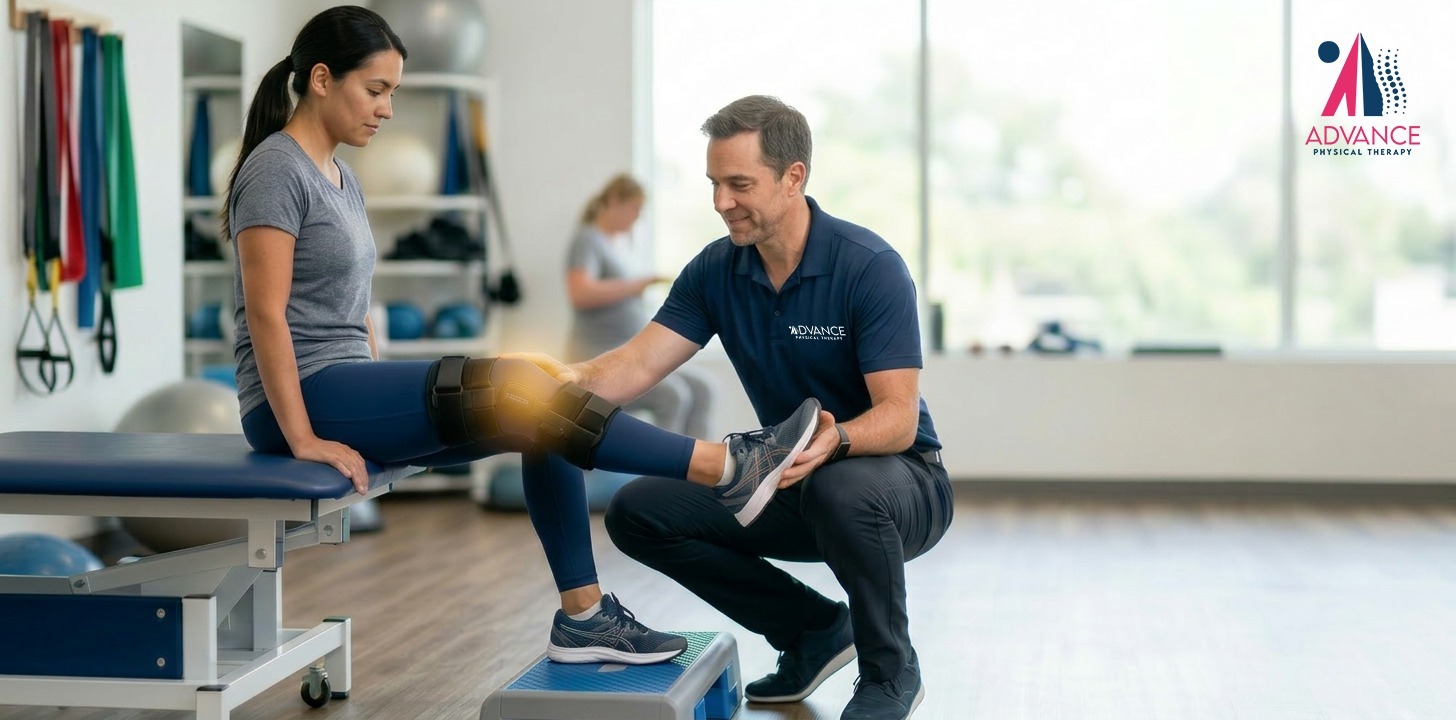
How to Start Working Out Again After a Knee Injury: Safe Recovery Guide
Recovering from a knee injury can feel like a long journey, especially if you’re eager to return to your normal fitness routine. Whether your injury resulted from sports, overuse, or surgery, knowing how to start working out again after knee injury is essential to avoid setbacks and ensure long-term recovery. This guide explains when to resume exercise, which movements are safe, and how physical therapy after knee replacement or injury plays a crucial role in restoring strength and mobility. When Can You Start Working Out After a Knee Injury? The timeline for returning to exercise varies depending on the condition and severity of the injury. For example, recovery from chondromalacia patellae, runner’s knee (PFPS), or iliotibial band syndrome (ITBS) may take a few weeks, while post-surgical recovery like physical therapy after knee replacement may take several months. You may be ready to begin light workouts when: Swelling and inflammation are under control You regain full or near-full bending of the knees You can walk without pain or instability A structured recovery plan guided by a licensed physical therapist ensures you return safely without risking reinjury. Common Causes of Knee Pain Treated by Physical Therapy Understanding the root cause of your injury helps guide the right rehabilitation strategy. Physical therapy often treats conditions such as: Chondromalacia Patellae (cartilage softening under the kneecap) Jumper’s Knee (patellar tendonitis) Patellofemoral Pain Syndrome (PFPS) Pes Anserine Bursitis Osgood-Schlatter Disease (common in adolescents) Medial Tibial Stress Syndrome (shin splints) Baker’s Cyst (fluid buildup behind the knee) Iliotibial Band Syndrome (ITBS) injury Each condition requires a slightly different approach, but all benefit from targeted knee rehabilitation exercises and physical therapy programs. How to Start Working Out Again After Knee Injury Returning to exercise requires a gradual and structured approach. Jumping back too quickly can worsen your condition or lead to chronic pain. Start with Mobility and Flexibility Begin with gentle movements that improve range of motion: Heel slides Assisted bending of the knees Light stretching These exercises help restore joint function without placing excess stress on the knee. Progress to Strength Training Once mobility improves, focus on rebuilding muscle strength. Strong muscles support and stabilize the knee joint. Effective Knee Physical Therapy Exercises Straight Leg Raises Quadriceps Sets Hamstring Curls Knee Extension Exercises These knee physical therapy exercises target surrounding muscles and reduce strain on the joint. Add Low-Impact Cardio Cardio improves circulation and speeds healing without overloading the knee. Safe options include: Stationary cycling Swimming Elliptical training These are especially helpful for individuals recovering from jumper’s knee or IT band injuries. Gradually Return to Functional Movements As your strength improves, incorporate: Step-ups Partial squats Balance training This stage prepares your body for daily activities and sports. How Physical Therapy Helps Recovery Professional guidance is essential when recovering from knee injuries or surgeries. A customized program ensures safe progression and optimal results. Physical therapy after knee replacement or injury typically includes: Manual therapy to reduce stiffness Strength training tailored to your condition Gait training to restore walking patterns Education on posture and movement Working with experts helps you avoid common mistakes and speeds up recovery. Safe Leg Exercises for Seniors Knee injuries are common among older adults, and safe movement is essential to maintain independence. Recommended Leg Exercises for Seniors Seated leg extensions Chair squats Heel raises Gentle walking routines These leg exercises for seniors improve mobility while minimizing joint stress. How to Fix Runner’s Knee (PFPS) Runner’s knee is one of the most common overuse injuries. It causes pain around the kneecap, especially during running, squatting, or climbing stairs. Key Recovery Tips: Strengthen quadriceps and hip muscles Avoid high-impact activities temporarily Use proper footwear Follow a structured knee rehabilitation exercises physical therapy plan Consistency is key to long-term relief. Signs You Should Stop Exercising Even with the right plan, it’s important to listen to your body. Stop exercising if you notice: Sharp or worsening pain Swelling after activity Instability or knee “giving out” Reduced range of motion These signs indicate your knee needs rest or professional evaluation. When to Search for “Knee Arthritis Treatment Near Me” If your knee pain is persistent or worsening, it may be related to arthritis or chronic joint issues. Consider seeking professional help if: Pain lasts more than a few weeks Stiffness limits daily activities You experience frequent swelling Searching for “knee arthritis treatment near me” can connect you with specialists who offer targeted care and long-term solutions. Frequently Asked Questions (FAQs) 1. How long is the average stay in rehab after knee replacement? The average rehabilitation period after knee replacement ranges from 6 to 12 weeks, depending on the individual’s health and recovery progress. Some patients may continue therapy for several months to regain full strength and mobility. 2. How often should I do physical therapy for my knee? Most patients benefit from 2–3 sessions per week, along with prescribed exercises at home. Your therapist will adjust frequency based on your condition and recovery stage. 3. What are the common causes of knee pain treated by PT? Physical therapy commonly treats conditions such as: Runner’s knee (PFPS) Tendonitis (jumper’s knee) IT band syndrome Arthritis Post-surgical recovery Each condition requires a personalized approach. 4. Can I do exercises for my knee at home? Yes, many knee physical therapy exercises can be done safely at home. However, it’s important to first learn proper form from a professional to avoid mistakes or reinjure. Serving Patients Across Multiple Locations Advance Physical Therapy proudly provides expert care for knee injuries, post-surgical rehabilitation, and chronic knee conditions across multiple locations. Our clinics are conveniently located to help patients access high-quality physical therapy close to home. We currently serve patients in: Irving Duncanville (Dallas) Richmond / Aliana Sugar Land Baytown Cypress East Houston College Station (Bryan) No matter your location, our team is committed to helping you recover safely and return to an active, pain-free lifestyle. Get Expert Help for a Safe and Faster Recovery Recovering from a knee injury doesn’t have to be overwhelming. With