
- Grade 0 refers to no neck complaints or physical signs, while
- Grade I and Grade II relate to neck complaints and musculoskeletal signs.
- Grade III and Grade IV are characterized by the presence of neurological signs and fractures or dislocations, respectively.
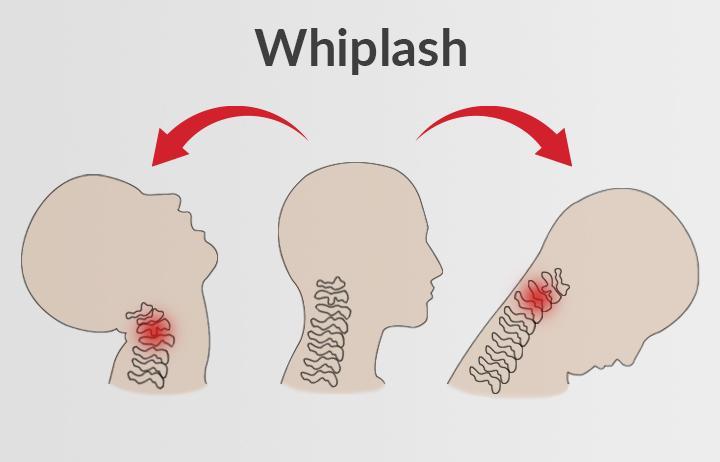
Simply put different parts of your spine can be affected differently depending on the direction of the force that hits you. A collision happening from the rear end, a side impact, or a head-on collision will produce different mechanisms of injury. We must also take into consideration how your body reacted to that force, whether you braced yourself, your head hit the windshield, impact from the airbags, twisting of your spine, etc., and your position as a driver or rider. Your body will go through a tremendous impact in just a few seconds, which is why each patient will have an extremely different presentation and severity.
Given the diversity of symptoms and their extent, it is essential to approach WAD with a customized treatment plan rather than a one-size-fits-all model
It is important to note that the majority of patients with WAD exhibit symptoms beyond the cervical spine.
As such, a detailed evaluation by a trained physical therapist or physician is highly recommended. Inappropriate treatment of WAD can result in chronic neck pain, headaches, and other long-term complications. Thus, a comprehensive treatment protocol should be followed, which includes a combination of rehabilitation treatments such as hands-on manual therapy, posture awareness, coordination, proprioceptive interventions, manual traction, anti-inflammatory modalities, and soft tissue techniques.
In summary, while the internet may offer several quick-fix solutions to WAD, it is critical to recognize the complexity and diversity of the injury and approach it with a customized treatment plan. A thorough evaluation by a trained physical therapist or physician is recommended, and a comprehensive treatment protocol must be followed to ensure successful rehabilitation and minimize long-term complication.
References:
1) Chrcanovic, Bruno, Larsson, Johan, Malmström, Eva-Maj, Westergren, Hans and Häggman-Henrikson, Birgitta. “Exercise therapy for whiplash-associated disorders: a systematic review and meta-analysis” Scandinavian Journal of Pain, vol. 22, no. 2, 2022, pp. 232-261. https://doi.org/10.1515/sjpain-2021-0064