







Aquatic Therapy

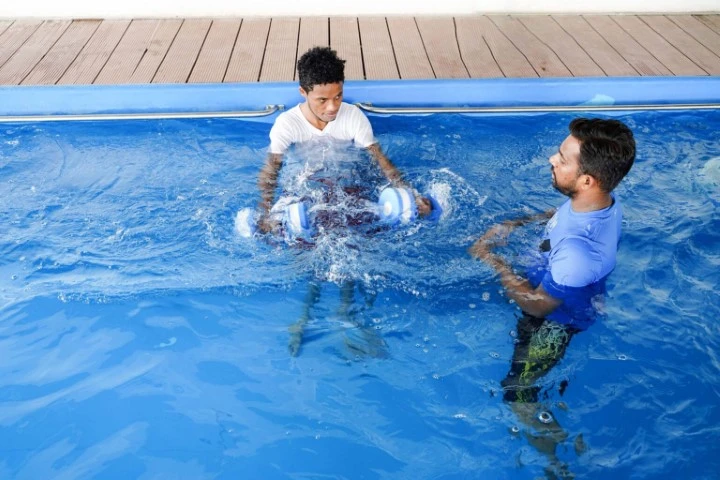
Aquatic Therapy is a form of physical therapy that takes place in the water.

15+

Year Experience

Aquatic Therapy is a form of physical therapy that takes place in the water. Therapeutic pools are designed to give patients more comfort and accessibility to normal exercises that might not be able to be completed under full impact or weight-bearing methods on land. Aquatic therapy might be beneficial as part of your individualized physical therapy plan.

Talk to a Therapist

Request a Free Phone Consultation with the Therapist

Our Benefits

Benefits of Aquatic Therapy

There are many benefits to using a pool as part of your physical therapy plan. While Aquatic Therapy is not used for one particular diagnosis, it aids a variety of patients working on the following areas:

Flexibility

Mobility & Function

Strengthening of Muscles

Coordination & Balance

The primary reason for using aquatic therapy is the benefit of water absorbing nearly all of the pressure that body weight puts on the joints. By carrying out aquatic therapy in a pool, stress on the body’s joints is minimized and progress can be made without additional pain.

Conducting

Conducting physical therapy in the water is often used for patients who:

The primary reason for using aquatic therapy is the benefit of water absorbing nearly all of the pressure that body weight puts on the joints. By carrying out aquatic therapy in a pool, stress on the body’s joints is minimized and progress can be made without additional pain.

Aquatic therapy uses the natural resistance and buoyancy of warm water to help patients move with greater ease. By reducing body weight pressure on the joints, exercises become less painful while still improving strength, flexibility, and overall function.
This treatment is especially beneficial for individuals recovering from surgery, experiencing balance issues, or living with conditions such as arthritis, neurological disorders, and chronic musculoskeletal pain. Our licensed physical therapists create customized treatment plans focused on your recovery goals.
Are recovering from surgery
Are not allowed to walk under full weight
Are experiencing pain and cannot tolerate walking or standing
Need to work on jumping/landing but cannot complete high impact movements
Have joint pain or arthritis
Need a low. impact and safe exercise option

Your Healing Journey

Step 1

Assessment

We evaluate your condition and goals.
Step 2

Treatment Plan

A personalized plan is created for you.
Step 3

Aquatic Sessions

Guided therapy sessions in our warm pool.
Step 4

Progress Tracking

We monitor your progress and adjust as needed.
Step 5

Recovery

Move better, feel stronger and live pain-free.

Read More

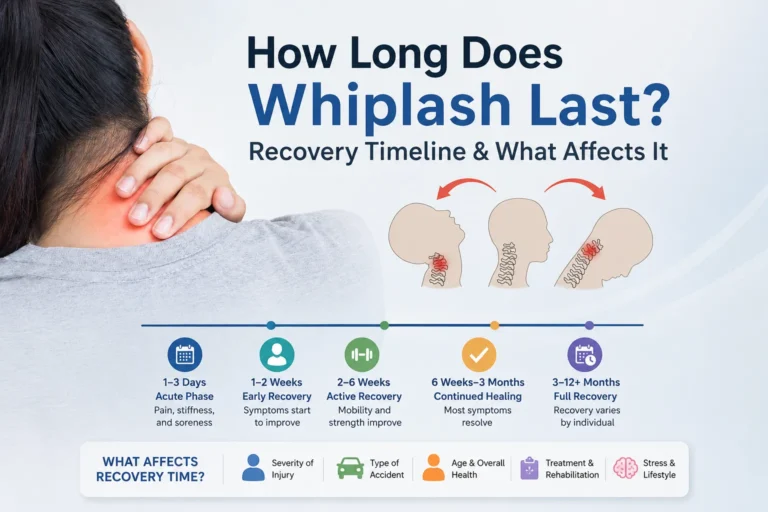
How Long Does Whiplash Last? Recovery Timeline and What Affects It Therapy Conditions
May 26, 2026

How Long Does Whiplash Last? Recovery Timeline and What Affects It

You’re three days out from a rear-end collision. The neck stiffness that wasn’t there in...

Read More
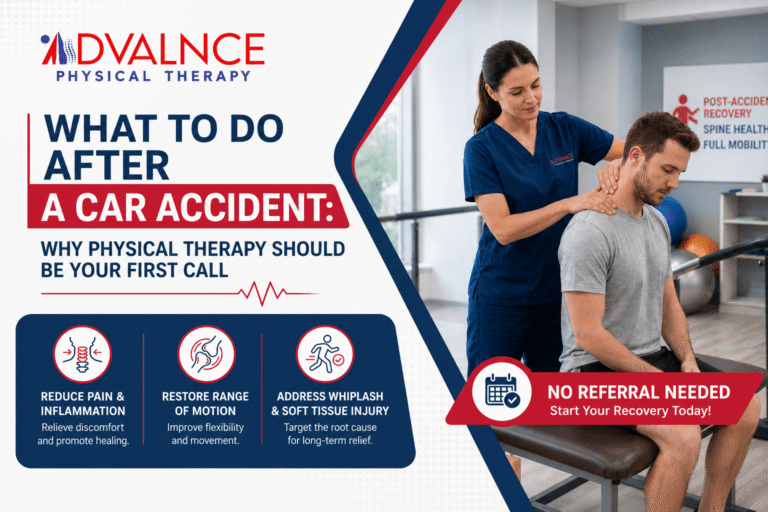
What to Do After a Car Accident: Why Physical Therapy Should Be Your First Call Motor Vehicle Accident
May 18, 2026

What to Do After a Car Accident: Why Physical Therapy Should Be Your First Call

Every year, thousands of Texans walk away from a car accident thinking they are completely...

Read More
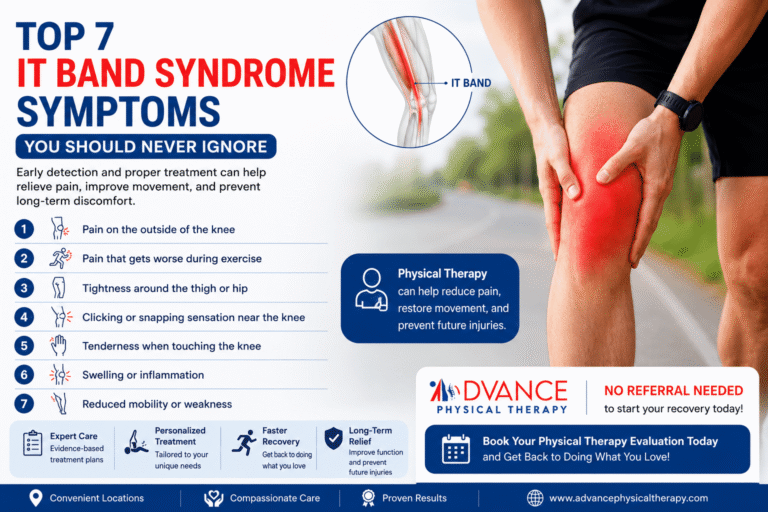
Top 7 IT Band Syndrome Symptoms You Should Never Ignore Iliotibial Band Syndrome (ITBS)
May 12, 2026

Top 7 IT Band Syndrome Symptoms You Should Never Ignore

Introduction If you feel pain on the outside of your knee during walking, running, or...

Read More