


Recover Stronger: Comprehensive Rehabilitation After a Motor Vehicle Accident in Houston
The aftermath of a Motor Vehicle Accident in Houston can result in life-changing consequences that range from mild discomfort to life-threatening injuries. If you’re suffering from soft tissue injury or are dealing with a serious injury in Houston and require prompt professional assistance is essential for your healing. We at Advance Physical Therapy offer compassionate, customized, individualized, and scientifically-based MVA rehabilitation in Houston and helping you regain your strength, mobility, and confidence. The Hidden Toll of Motor Vehicle Accidents Every year, thousands of people living in Houston suffer from motor vehicle accidents. Many of them result in long-term pain, problems with mobility, and emotional stress. Even the most minor incident can cause permanent damage. Most accidents resulting in MVAs that occur in Houston are: Neck strain and whiplash back injuries like disc herniation or spinal misalignment The soft tissue injury, such as muscle tears or ligament strains Dislocation of joints and fragments Concussions, brain trauma, and head injuries Compression of the nerve and chronic pain syndromes In more severe instances , victims can suffer devastating injuries which drastically change their life, for example, spinal cord injuries or loss of limb function, and brain injuries. These types of conditions require long-term multidisciplinary rehabilitation for an optimal recovery. Why MVA Rehabilitation in Houston Is Crucial The time immediately following an auto accident is crucial. In the event of a delay in treatment or choosing an unqualified provider, it could result in persistent pain, reduced mobility, and eventually serious complications. A specialist in MVA rehabilitation services in Houston is crucial due to: They target the root of the issue, not only the symptoms. They aid in restoring the function, movement, and independence. They decrease the chance of injury recurrence or chronic ailments. They will help you get back to your normal routine, work, and other leisure activities. In Advance Physical Therapy, we offer the highest quality, patient-focused care to help you through each stage of healing following an automobile accident located in Houston. Personalized Treatment for Every Injury Each of the motor vehicle accidents within Houston is alike; this is why a bespoke rehabilitation plan is essential. In your initial visit, the experienced and knowledgeable clinicians will perform a thorough physical exam to assess the extent of the injury. Then, we design the best treatment plan specifically for your specific needs lifestyle, goals, and needs. The rehabilitation process could include: Manual Therapy Hands-on methods that aid in realigning joints, decrease muscular tightness, and increase mobility. Therapeutic Exercise Specific movements are designed to build muscles, increase coordination, and restore function damaged by injury. Modalities for Pain Management We utilize ultrasound and electro stimulation, cryotherapy, as well as heat to alleviate discomfort and encourage tissue healing. Myofascial Release & Soft Tissue Mobilization To eliminate scar tissue, improve mobility, and improve circulation to the injured area. Neuromuscular Reeducation For those suffering from injury to the nerves or brain, we provide proprioception and balance training to improve motor pathways. They are an integral part of a comprehensive method that takes care of both physical ailments as well as the emotional repercussions of the accident. What Makes Advance Physical Therapy Different? We recognize that the stress of dealing with the aftermath of an accident can be stressful. We take an approach that is patient-focused and collaborative to the treatment of injuries from auto accidents in Houston. This is what makes us stand out: With over 24 years’ experience in the field of rehabilitation for injuries A group of physical therapists licensed by the state and rehabilitation specialists. Treatment plans are custom-designed specifically to each injury Modern techniques and research-based practices Flexible scheduling to meet your needs for recovery Coordinating with doctors, attorneys, and insurance providers We’re not there to ease your pain, we’re here to help you rebuild your life. Catastrophic Injuries Require Comprehensive Care If you’re suffering from the aftermath of a devastating trauma in Houston or elsewhere, like paralysis, serious injury to the spine, or neurological impairment, rehabilitation can be a long-term process. We at Advance Physical Therapy provide advanced treatment for Houston trauma patients, which includes: Long-term recovery plan Flexible methods for daily living Support and training for the mobility device Education for caregivers and family members Support for emotional and psychological needs through referrals We collaborate with other health professionals to provide you with the most comprehensive and coordinated healthcare experience. The process of recovery could be a long-distance race; however, with the appropriate support system, it is achievable. Don’t Delay – Start Healing Today If you’ve been in a course of an automobile MVA crash in Houston, it is crucial to seek medical attention from a professional as soon as you can, even if you do not feel immediate discomfort. A few injuries, including those involving the brain or soft tissue, could be present for weeks or days following the incident. The earlier you start MVA rehabilitation in Houston, the greater your chance of a complete recovery. A timely intervention could be the difference between a quick return to normal activities and a lifetime of discomfort. Allow Advanced Physical Therapy to be your most trusted companion in your rehabilitation. Frequently Asked Questions Q: When do I need to begin physical therapy following an accident with a motor vehicle within Houston? The ideal scenario is that you should start physical therapy as soon as you can, within a few days following the accident. Early intervention can help decrease inflammation, manage pain and speed healing. Q: Will my auto insurance cover the rehabilitation I receive? Most likely, the answer is yes. Advance Physical Therapy works with all major insurance companies and can assist you in the process of claiming. Q I’ve been told that I have an injury that is catastrophic. Are you able to help? Absolutely. We have years of experience dealing with life-changing injuries that are complete,x, and will collaborate with your doctor and the team supporting you to design a long-term rehabilitation strategy. Contact Advance Physical Therapy Today If you’re looking
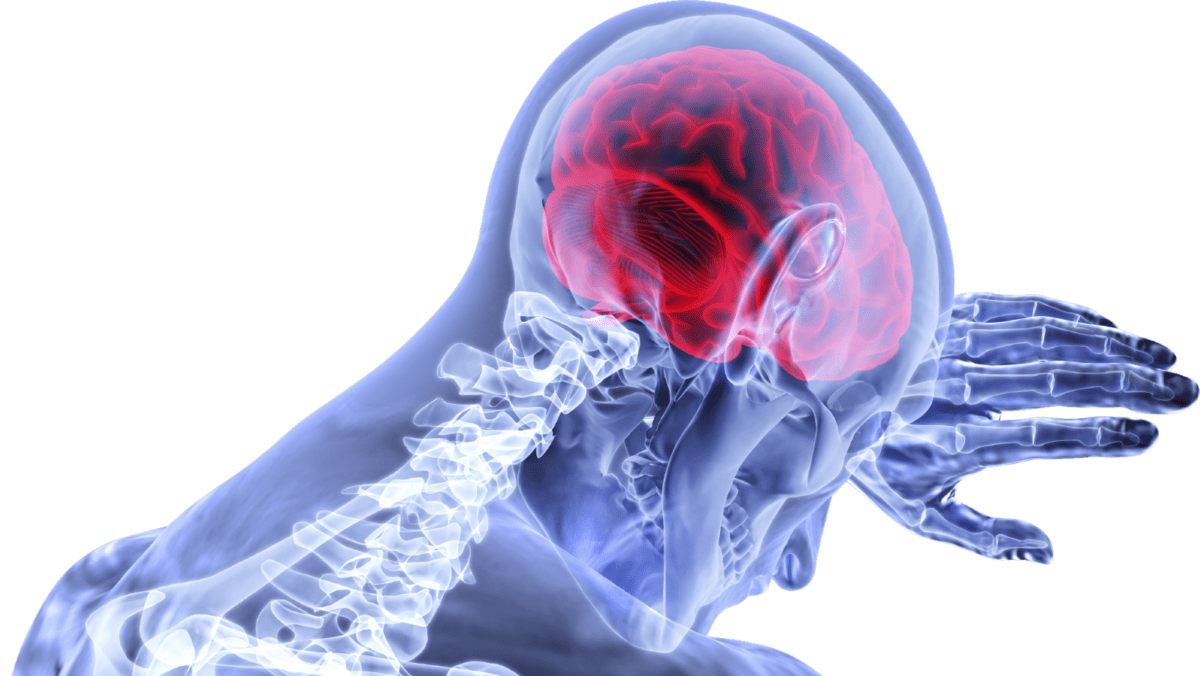
Expert Concussion Treatment in Houston: Heal Your Brain, Regain Your Life
Concussions can have a profound impact on your life, whether it is caused by an accident, a fall motor vehicle crash, or injuries from sports. Concussions go beyond bumps on the head. They are traumatizing brain injuries that could cause severe cognitive, physical, and emotional issues if they are not taken care of properly. In Advance Physical Therapy we specialize in concussion treatment in Houston and help patients to recover safely and return to their regular routines. Understanding Concussions: More Than Just a Headache The term concussion is when the brain is shaken inside the skull as a result of an unexpected hit or fall. This disrupts brain function, causing many symptoms, including: Headaches and migraines Balance or dizziness Sensitivity to noise and light Nausea and vomiting “Brain fog” is also known as “brain fog.” It is difficult to concentrate or remember information. Sleep disturbances and fatigue Arousal or mood swings If your concussion stems from a sporting injury or a motor vehicle accident in Houston an immediate and efficient treatment is essential to avoid long-term damage. Comprehensive Concussion Treatment in Houston We are Advance Physical Therapy. We provide individual, clinically-based, scientifically-proven concussion treatment in Houston specifically designed to help your recovery in every stage. Our doctors are skilled in the evaluation and treatment of every aspect of concussion injury therapy in Houston, which includes vestibular, neurological, and musculoskeletal aspects. Our treatment approach includes: Thorough Assessment and Diagnosis Recovery starts with a thorough assessment. Our team utilizes physical tests, clinical interviews, and cognitive tests to determine the nature of your concussion and identify other possible injuries. We examine: Eye tracking and the visual function Balance and coordination Strengthening the neck and improving mobility Memory and cognitive function Physical symptoms such as dizziness, headaches This assessment forms the foundation for a recovery plan that is custom that is tailored to your specific needs. Vestibular and Balance Therapy Concussions can affect the vestibular system, which controls balance and spatial perception. Our concussion therapy in Houston comprises exercises that help improve your balance and reduce dizziness or vertigo. This will help you feel more secure and stable in your movement. Visual Rehabilitation We offer exercises for correcting problems with eye coordination, near focus, and visual tracking. These problems are often encountered following the trauma of a concussion. Manual Therapy and Cervical Spine Treatment Neck injuries often accompany concussions–especially in cases involving sports injuries or motor vehicle accidents in Houston. Our team utilizes manual therapy techniques to treat soft tissue issues, improve mobility, and alleviate neck pain. Cognitive Rest and Gradual Return-to-Activity Plans We train families and patients on the importance of having a cognitive rest as early as possible during the healing phase. When symptoms diminish and improve, we help patients navigate the steps of returning to work, school, or sport with a focus on safety and the management of symptoms. Why Choose Advance Physical Therapy for Concussion Management in Houston? In the case of concussion management in Houston, it is crucial to find a professional who knows the complexities and severity of the injuries suffered to the brain. In Advanced Physical Therapy, we concentrate on treating the entire patient, not just the symptoms that are isolated. What Sets Us Apart: Over 24 years of expertise in the rehabilitation of orthopedic and neurological injuries. Certified therapists who have advanced education in the field of concussion treatment Access to cutting-edge equipment and therapeutic methods Treatment plans that are customized that are based on assessments of each patient Care coordination with physicians and neurologists as well and specialists We know that each concussion is unique. The Houston therapy services emphasize individual treatment, constant monitoring, and clear communication throughout the course of the procedure. Concussions as a result of sports injuries, and auto Accidents The two most prevalent causes of concussions are injuries sustained during sports as well as motor vehicle accidents, both of which we are experts in at our clinic at Advance Physical Therapy. Sports Injuries Treatment Houston Athletes are at a higher risk of concussions as a result of high-impact activities, collisions, and falls. We offer ,sports injury treatment in Houston which includes: Testing at the baseline and prevention of injury Return-to-play and post-injury evaluations Training for strength and agility Continuous support to ensure long-term performance and security No matter if you’re an athlete in the professional ranks or a student member of the school team, We make sure you’re recovering securely as well as structured and grounded. Motor Vehicle Accidents Treatment in Houston Car accidents are a major source of whiplash and concussion injuries. Our motor vehicle accident treatment in Houston concentrates on: Helping reduce neck pain and headaches Restoring balance and normal movement Treating emotional and cognitive issues Enhancing the overall physical function We also offer assistance and documentation for legal cases as needed. What to Expect During Concussion Therapy in Houston Your journey with Advance Physical Therapy will typically consist of: The first consultation An in-depth review of your complaints, past history, and physical functioning. A customized treatment program Based on your lifestyle, goals, and the specific issues you face. regular therapy sessions With a focus on relieving symptoms as well as brain healing and general wellness. Ongoing Progress Monitoring We adjust your plan as you heal, ensuring safe, effective outcomes. Return-to-Activity Guideline Help us assist you in returning to work, school, or sport with confidence. Don’t Ignore a Concussion–Get the Expert Help You Deserve Many times, concussions are overlooked or downplayed. If they are not treated properly, even a slight concussion may cause persistent symptoms that can disrupt your life. If you or someone in your family is suffering from a head injury due to an accident, sports, or a fall, contact Advance Physical Therapy to receive dependable, caring concussion treatment in Houston. Contact Advance Physical Therapy Today We’re here to help you get back to health in a safe and complete manner. If you’re in search of a concussion therapy in Houston Make an appointment to consult with

Change Your Life Every Day by Incorporating Occupational Therapy in College Station, TX
If you’re recovering from an injury, dealing with an ongoing condition or trying to improve your daily functioning, occupational therapy can be a life-changing option. We at Advance Physical Therapy aim to help people living who live in College Station, TX recover their independence, confidence, and quality of life by providing expert and individualized treatment. This blog will look at the nature of occupational therapy, what it is, its purpose, and the reasons Advance Physical Therapy is your ideal option in occupational therapy in College Station. What is Occupational Therapy? The field of occupational therapy (OT) is an area of rehabilitation that is focused on helping patients perform everyday tasks that are meaningful and essential in their everyday lives. These activities – also known as “occupations”-can vary from self-care (like showering and dressing) to work-related tasks, social engagement, as well as leisure activities. Contrary to physical therapy, which is focused on flexibility, strength, and mobility, occupational therapy is a holistic approach to both mental and physical aspects of an individual’s functioning. The aim is not just to improve ability, but also to modify environments, methods or techniques to help people. Who Can Benefit from Occupational Therapy? The field of occupational therapy at College Station, TX, isn’t just for one kind of patient. It is available to many different people of all different ages. The staff at Advance Physical Therapy deals with: Children and adolescents Developmental delays Autism Spectrum Disorder (ASD) Sensory processing disorders Fine motor skill challenges Issues with emotional and behavioral regulation Our occupational therapy services for children are designed to assist children in their growth to learn, grow, and flourish both at home as well as in school settings. Adults Rehabilitation after surgery Neurological diseases (stroke, Parkinson’s, MS) Injury to wrists and hands Conditions of mental health, such as depression and anxiety Arthritis or chronic pain We assist adults to regain control of their lives, whether that’s going back to work or managing their personal care on their own. Seniors Age-related decline Balance and fall prevention training Support for Alzheimer’s and dementia Assistance through adaptive equipment Our therapists support older adults to lead a healthy and secure life with more autonomy and dignity. Our Personalized Approach to Occupational Therapy in College Station In Advance Physical Therapy, each client receives a personalized care program based on their personal objectives, goals, and routine. We begin by conducting an in-depth assessment of your capabilities and limitations. We then create a comprehensive plan that may include: Functional task-training: Training in real-life activities like cooking, grooming, or utilizing a computer Therapy for cognitive impairment improves the ability to focus, memory, problem-solving solving and executive function Therapy for hands enhancing grip strength as well as coordination for everyday activities Safety assessments for homes: Recommending changes to decrease fall risk and increase accessibility Strategies that adapt to changing circumstances, introduce techniques and tools to help make work easier and more secure There are no two trips that are the same, and our occupational therapists are there to assist you every step of the way. Why Choose Advance Physical Therapy in College Station? We know that selecting the best Therapy provider for you is a personal choice. This is why our patients from College Station, TX choose us for their health care: Highly-trained occupational therapists Our experienced and licensed occupational therapists bring a sense of compassion along with creativity, as well as expertise in every session. We’re committed to continuing education and practices based on evidence that yield tangible outcomes. Individualized Treatment Plans The therapy plan you choose to follow is created to meet your goals, whether that’s returning to work, regaining independence, or just enjoying your interests once more. Collaboration and Supportive Environment We collaborate closely with caregivers, families, and other healthcare professionals to ensure a seamless healthcare experience. It’s not like you’re with us. Modern Facility Our clinic, located in College Station, TX is equipped with the latest technology and adaptive equipment to recreate real-world environments, so that your results are transferred to the world beyond. Conditions We Treat with Occupational Therapy The field of occupational therapy is extremely versatile and can be extremely beneficial for an array of functional and medical conditions. We at Advance Physical Therapy we usually address: Traumatic brain injury and stroke Injury to the spinal cord Carpal tunnel syndrome Joint pain and arthritis MS (MS) Alzheimer’s and dementia Developmental disorders Post-operative wrist, hand, and shoulder problems If you’re not sure if occupational therapy at College Station is right for you or your family member, our staff is pleased to give you no-cost consultative services and answer your questions. Occupational Therapy for Students and Professionals Alongside medical issues, our clients often require occupational therapy in College Station, TX to help improve their performance. It doesn’t matter if you’re a student with attention issues or an office worker who suffers from repetitive injuries from stress; OT can help. Our therapists instruct: Ergonomic techniques Strategies for managing stress Skills for managing time and organizing Exercises to build attention and focus Techniques to deal with the effects of sensory overload These treatments do not just alleviate symptoms, but also improve overall productivity and well-being. What to Expect During Your Occupational Therapy Sessions Every treatment session for occupational therapy with Advance Physical Therapy is personalized and driven by progress. Full Assessments We spend time assessing your skills and objectives. Goal-setting Together, we will outline specific, attainable outcomes that we can achieve. Therapeutic Hands-On Each session includes hands-on activities, guided practices, and activities to build skills. Progression Monitoring – We adapt the plan you have set as you improve and grow to ensure that you maintain a steady forward momentum. Most patients will attend one or two sessions every week, the frequency and duration of which are determined by the individual’s requirements. Ready to Take the Next Step? Contact Us Today In Advance Physical Therapy, we believe that every person deserves to live their life to the fullest, regardless of whether they are old or have physical restrictions. Our experienced team is privileged to offer occupational therapy services in College Station, TX that helps you face life’s challenges with confidence as well as confidence and self-reliance. When you’re overcoming an injury, dealing with the effects of a chronic
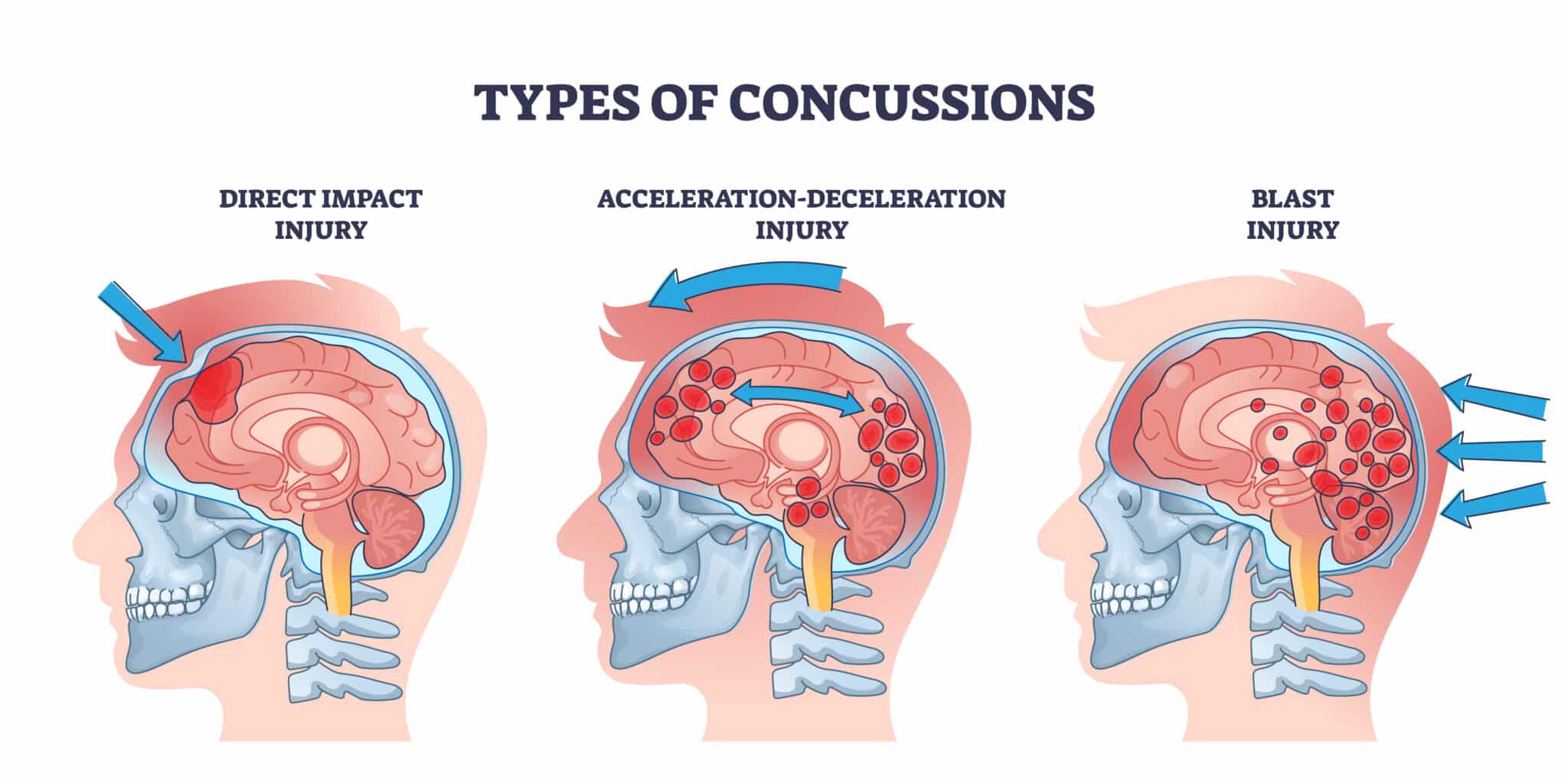
Complete Concussion Treatment in Houston: What Advance Physical Therapy Can Help
In a city that is as vibrant and lively as Houston, physical injuries are an unfortunate aspect of life, whether caused by sports, motor accident in a motor vehicle accident, or just everyday routine. One of the most underappreciated but grave injury types includes concussions. In Advance Physical Therapy, we specialize in treatment for concussions in Houston, providing an extensive treatment plan for diagnosis, therapy, and rehabilitation. If you’ve suffered an injury from sports or been involved in a car crash, our team of experts provides customized care that will aid you in your recovery process. Learn more about how our experienced healthcare professionals are helping patients return to their well-being and calm. Learning to Understand Concussions: A Minor Yet Serious Injury The term “concussion” refers to a concussion is an injury to the brain that is mildly traumatic (TBI) that is caused by the impact of a blow, bump, or jolt to the head, which disrupts normal brain functioning. Although they might not cause visible damage but the effects of a concussion could be lasting and serious when left untreated. Common symptoms of concussions include: Headaches, migraines, or headaches Balance issues or dizziness Memory loss or confusion Nausea or vomiting Sensitivity to sound and light Sleeping or concentrating problems When you’re confronted with any of the signs after an injury or accident, it’s essential to take the necessary concussion treatment in Houston promptly. An early diagnosis and a planned therapy program can dramatically reduce the recovery process and help prevent future complications. Concussion Injuries Therapy in Houston: Our Specialized Approach In Advance Physical Therapy, our clinicians are educated in the latest treatments for concussion injuries in Houston using an approach that is multi-disciplinary. We aim to restore both cognitive and physical functioning, decrease symptoms, and assist patients to recover quickly and as safely as is possible. Our therapy could consist of: Vestibular Therapy: to treat balance issues, as well as vertigo. Oculomotor Training to enhance vision-related symptoms, such as blurred vision or difficulty focusing. Cognitive Rehab to aid in memory, concentration, in addition to speed of processing. Physical Therapy to restore strength, posture, and coordination in physical activities. Educational and lifestyle guidelines to help patients better understand their medical condition and avoid triggers. The treatment plan is tailored to the individual needs of each patient. Our treatment for concussions within Houston is effective and sensitive. Motor Vehicle Accidents Treatment in Houston: Don’t Overlook Head Injuries Motor car accidents are the leading cause of concussions across the United States. Even an unintentional fender bender could cause whiplash or a head injury that can disrupt brain functioning. However, many people are quick to dismiss dizziness or headaches after an accident as unimportant and do not realize that they may be signs of a concussion. Advance Physical Therapy offers specialized treatment for motor vehicle accidents throughout Houston, which includes concussion therapy and assessment. Our team is closely working with the victims of accidents to determine the visible and invisible injuries as well as provide a holistic healing process. We also help with the documentation and referrals needed if there are any insurance or legal issues involved. Sports Injuries Treatment in Houston: Safe Recovery for Active Lifestyles Houston is the birthplace of a flourishing sports culture, from youth sports to professional teams and adult leagues. Although being active offers numerous health advantages, it can also increase the chance of concussions related to sports. Advance Physical Therapy is proud to provide special treatments for sports injuries in Houston, as well as a focus on the recovery of concussions. If you’re an athlete, coach, or parent, it’s crucial to recognize the warning signs of a concussion and to take action immediately. Resuming play too soon could exacerbate signs and raise the chance of permanent brain damage. Our sports concussion protocol for athletes includes: Testing at the baseline Assessment of post-injury Gradual return-to-play programs The education of athletes and their families Our goal is to help athletes get back to playing safely and fully recuperated. Why Choose Advance Physical Therapy for Concussion Treatment in Houston? When it comes to treatment for concussions or concussion therapy in Houston, Advance Physical Therapy is distinguished due to its highly skilled team, customized treatment plans, and a patient-first method of treatment. We have a few reasons why clients opt for Advance Physical Therapy: Expert Clinicians Our therapists are trained to the highest level in the rehabilitation of concussions and are current with the most current research and the best techniques. Individualized Care We recognize that every concussion is unique. Our personalized treatment plans are tailored to meet the individual symptoms of each patient and their lifestyle. Modern Facility From balance equipment to neurocognitive test instruments, our clinic is stocked with modern technology that allows for precise diagnosis and efficient treatment. Holistic Rejuvenation We don’t only treat symptoms. Take a look at the entire picture, which includes physical, cognitive, and emotional well-being. Concussion Management in Houston: What to Expect During Treatment Your journey through Advance Physical Therapy typically begins by conducting a thorough evaluation that includes: Review your medical past Physical and neurological evaluations Sizing severity and symptom tracking Based on our findings, we designed an outline for recovery that may require different disciplines. The progress of the patient is monitored closely, and changes are made as required to ensure that the results are optimal. Most patients notice improvement after a couple of weeks, but some require a longer-term treatment. Schedule Your Consultation Today If you or someone close to you is suffering from the consequences of a concussion, do not delay in seeking treatment. If a concussion is left untreated, the more chance of developing complications. No matter if you’ve suffered a sporting injury or a car crash, you can count on the professionals of Advance Physical Therapy to provide comprehensive, caring concussion treatments in Houston. Our team is ready to help you through each step of your healing. Contact us today to set up your appointment or to book online to meet with one of our experts.
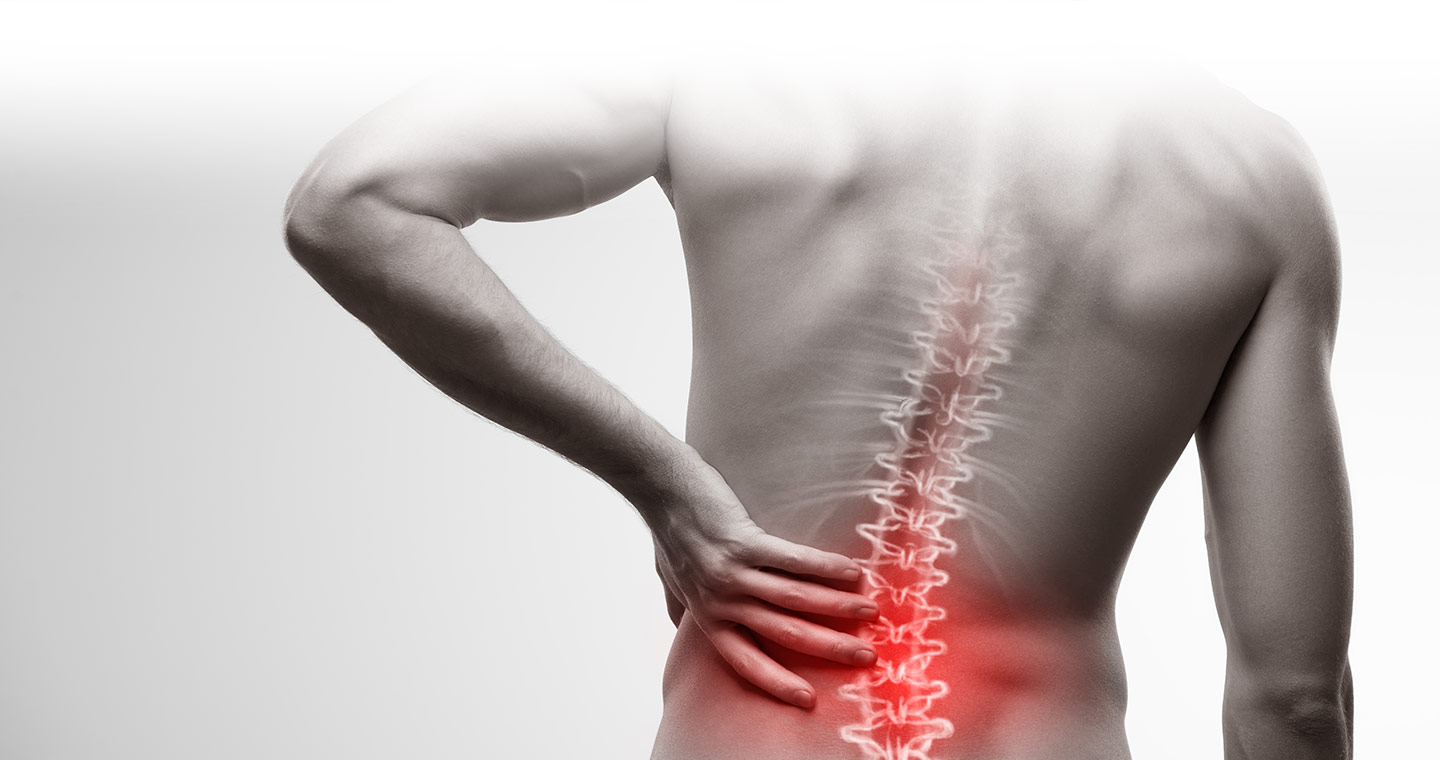
How Physical Therapy Can Help You Relieve Low Back Pain Therapy Houston
Physical Therapy can help! Physical Therapy is a type of treatment that uses exercise, massage, and other techniques to help you improve your range of motion, strength, and flexibility. If you’re interested in learning more about how Physical Therapy can help you with your lower back pain, please read on. What Is Physical Therapy? Physical therapy, also known as physical therapy, is a healthcare profession that helps people improve their movement and function. Physiotherapists use a variety of techniques, including exercise, massage, and manual therapy, to help people with a wide range of conditions, including lower back pain. How Does Physical Therapy Work For Lower Back Pain? Physical Therapy works by using a variety of techniques, including: Exercise: Physiotherapists will design a personalized exercise program to help you strengthen your core muscles and improve your flexibility. Massage: Massage can help reduce pain and inflammation. Heat therapy: Heat therapy can help to relax muscles and reduce pain. Cold therapy: Cold therapy can help reduce inflammation and pain. Electrical stimulation: Electrical stimulation can help reduce pain and improve muscle function. What Are The Benefits Of Physical Therapy For Low Back Pain Treatment Houston? The benefits of physical therapy for lower back pain include: Pain relief Improved range of motion Increased strength Improved balance and coordination Reduced inflammation Improved quality of life Exercises to Overcome Lower Back Pain Here are some exercises that can help to overcome lower back pain: Knee to chest stretch: Lie on your back with your knees bent. Bring one knee towards your chest and hold it with both hands. Hold for 30 seconds and repeat on the other side. Cat-cow Exercise: Start on your hands and knees, with your back straight. As you inhale, arch your back and look up. As you exhale, round your back and tuck your chin towards your chest. Repeat 10 times. Bird dog Exercise: Start on all fours, with your hands under your shoulders and your knees under your hips. Extend your right arm and left leg straight out in front of you. Hold for 30 seconds and repeat on the other side. Bridge Exercise: Lie on your back with your knees bent and your feet flat on the floor. Place your arms at your sides, palms down. Slowly raise your hips off the floor until your body forms a straight line from your shoulders to your knees. Hold for 30 seconds and lower back down. Plank Exercise: Start in a push-up position with your forearms on the ground directly under your shoulders and your body in a straight line from your head to your heels. Engage your core and tighten your glutes. Hold the position for as long as you can, making sure to maintain good form. How to Prevent Lower Back Pain Maintain a healthy weight: Carrying extra weight can put extra strain on your back. Strengthen your core muscles: Strong core muscles can help support your back and prevent pain. Stretch regularly: Stretching can help improve your flexibility and reduce your risk of injury. Lift with your legs, not your back: When lifting something heavy, bend your knees and lift with your legs. Take breaks: If you have to sit for a long time, get up and move around every 20-30 minutes. Use good posture: When you’re standing, sitting, or lying down, make sure your spine is in a neutral position. Avoid smoking: Smoking can weaken your bones and make you more likely to develop osteoporosis, which can increase your risk of back pain. Get enough sleep: When you’re well-rested, your body is better able to heal and repair itself. Q1. How Do I Get Rid Of Lower Back Pain? There are a number of ways to get rid of lower back pain. Some common treatments include: Rest Applying Ice therapy Applying Heat therapy Over-the-counter pain medication Physical therapy Surgery Q2. What Are The Causes Of Lower Back Pain? Poor Posture and Ergonomics: Prolonged sitting, especially with improper posture or inadequate lumbar support, can strain the muscles and structures in the lower back, leading to pain. Muscle Strain: Overstretching or tearing of the muscles and ligaments in the lower back, often due to improper lifting, sudden movements, or poor posture. Herniated Disc: When one of the intervertebral discs in the spine protrudes or ruptures, it can put pressure on the nearby nerves, resulting in lower back pain. Traumatic Injury: Accidents, falls, or sports-related injuries can cause fractures, sprains, or other traumatic damage to the structures in the lower back, resulting in pain. Q3. Why Does My Lower Back Hurt So Much? Poor posture and prolonged sitting or standing in positions that stress the lower back. Lack of regular exercise and physical activity leads to weak muscles. Emotional stress and tension lead to muscle tightness and increased sensitivity to pain. Medical conditions like kidney stones, infections, or endometriosis may cause referred pain. Excess weight or obesity puts added strain on the lower back If you are experiencing lower back pain, do not hesitate to seek help from the Back Pain Specialist Houston at Advance Physical Therapy in Houston. We can help you diagnose the cause of your pain and develop a treatment plan that will help Back Pain Relief in Houston you get back to your normal activities.

Neck Pain Physical Therapy Treatment in Houston
Neck pain can be a persistent and debilitating condition affecting your daily life. Whether it’s caused by poor posture, an injury, or underlying medical conditions, seeking professional help is crucial. If you’re in search of effective and expert care, Advance Physical Therapy in Houston offers specialized Neck Pain Physical therapy Treatment in Houston that can help alleviate your discomfort and restore your quality of life. Understanding Neck Pain: Causes and Symptoms Let’s treat Neck Pain with advanced soft tissue mobilisation and other modalities with our experienced physiotherapist. What Causes Neck Pain? Poor Posture: Sitting for long hours in front of computers or mobile phones. Injuries: Whiplash or sports-related trauma. Degenerative Conditions: Arthritis or cervical spondylosis. Stress and Tension: Emotional stress leading to muscle tightness. Herniated Discs: Displacement of discs in the cervical spine. Common Symptoms of Neck Pain Stiffness and reduced range of motion. Sharp or dull aching pain. Headaches originating from the neck. Radiating pain to the shoulders or arms. Tingling or numbness in the upper extremities. Why Physical Therapy for Neck Pain? Physical Therapy is a non-invasive, effective approach to managing and treating neck pain. It focuses on identifying the root cause and providing targeted therapy to: Relieve pain and inflammation. Improve mobility and flexibility. Strengthen neck and shoulder muscles. Prevent the recurrence of neck pain. Best Physiotherapist for Neck Pain Relief in Houston Advance Physical Therapy, located in Houston, is a leading name in physical therapy care. With advanced techniques and personalized treatment plans, the clinic specializes in Neck Pain Physical therapy Treatment in Houston, offering comprehensive solutions for all types of neck pain. Services Offered for Neck Pain Therapy in Houston Manual Therapy: Gentle hands-on techniques to mobilize and manipulate the cervical spine, reducing stiffness and enhancing mobility. Therapeutic Exercises: Customized exercise programs designed to strengthen neck and shoulder muscles, improving posture and reducing strain. Posture Correction: Ergonomic training and posture correction techniques to address bad habits that contribute to neck pain. Electrical Stimulation: Modern modalities like TENS (Transcutaneous Electrical Nerve Stimulation) to alleviate pain and promote healing. Dry Needling and Myofascial Release: Effective techniques to release muscle tightness and trigger points causing discomfort. What Sets Advance Physical Therapy Apart? Expert Team of Professionals: The clinic is helmed by a highly experienced physiotherapist specializing in neck pain management and rehabilitation. State-of-the-Art Facilities: Equipped with advanced tools and technologies to provide cutting-edge care for neck pain. Personalized Care Every patient receives a tailored treatment plan based on their unique needs and medical history. Proven Results: A track record of successful outcomes and satisfied patients. Convenient Location: Located in Houston, the clinic is easily accessible to patients across the city. Benefits of Physical Therapy for Neck Pain at Advance Physical Therapy Non-Invasive Treatment: Say goodbye to invasive surgeries and long recovery periods with safe and effective physical therapy. Pain Relief Without Medication: Natural techniques to reduce pain without relying on medications or their potential side effects. Improved Quality of Life With reduced pain and enhanced mobility, you can return to your daily activities with ease. Preventive Care: Physical therapy doesn’t just treat the current issue but also helps prevent future problems by addressing the root cause. Long-Term Results: Strengthening and rehabilitating your neck ensures lasting relief and better overall health. Conclusion Neck pain can disrupt your life, but with the expert care offered at Advance Physical Therapy in Houston, you don’t have to endure it any longer. Specializing in Neck Pain Physical Therapy Treatment in Houston provide effective, non-invasive solutions tailored to your needs. Don’t let neck pain hold you back Schedule a Neck Pain Specialist Houston today and take the first step toward a pain-free life!
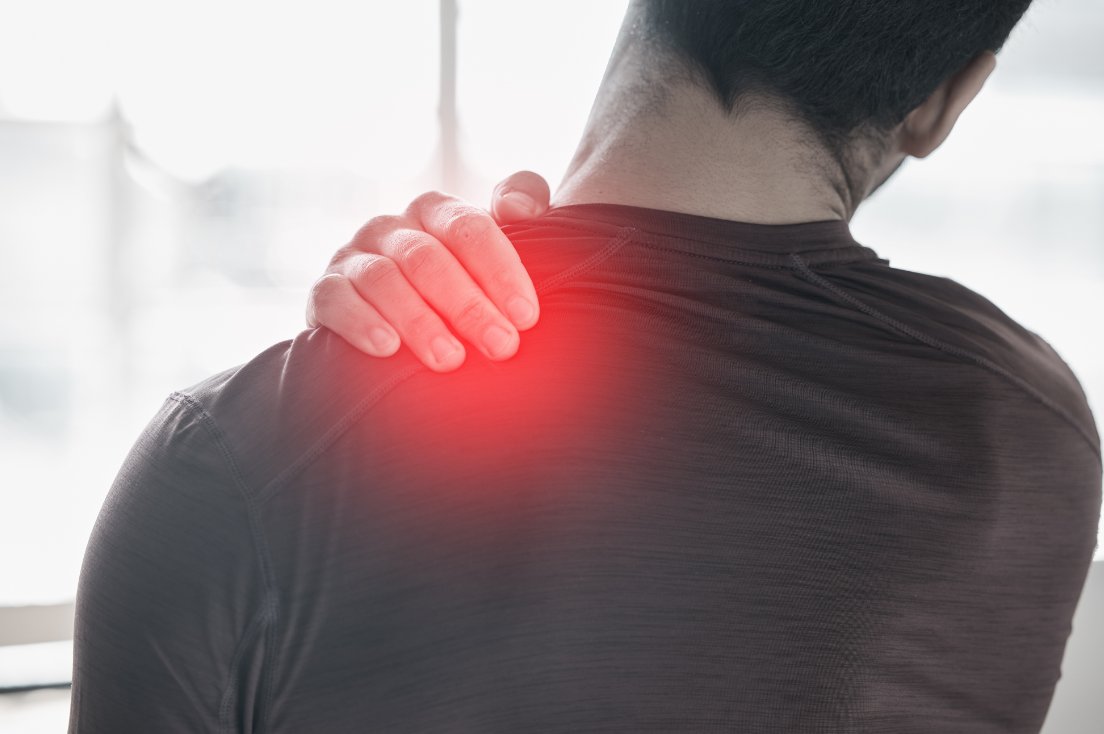
Shoulder Pain: Causes, Diagnosis, and Non-Surgical Treatment Options
Shoulder pain is a common complaint that can significantly affect an individual’s daily activities and quality of life. Various factors can be the causes of shoulder pain, including injuries, overuse, inflammation, and degenerative conditions. While some cases may require surgical intervention, non-surgical treatment options can effectively manage many shoulder pain issues. This article will explore the causes, diagnosis, and non-surgical treatment options for Shoulder Pain Houston. Causes of Shoulder Pain Injuries to the Rotator Cuff: A rotator cuff combines tendons and muscles surrounding the shoulder joint. Overuse, repetitive motions, or sudden trauma can lead to strains, tears, or inflammation of these structures, causing shoulder pain at night. Frozen Shoulder: Frozen shoulder, also known as adhesive capsulitis, is a disorder that causes stiffness and discomfort in the shoulder joint. The exact cause is unknown, but it can develop after immobilization or due to underlying medical conditions. Shoulder Bursitis: Bursae are small fluid-filled sacs that provide cushioning and reduce friction between tendons, ligaments, and bones. Inflammation of the bursae can occur due to repetitive motions or injury, leading to shoulder pain. Osteoarthritis: This degenerative joint condition can affect the shoulder and cause pain, stiffness, and reduced range of motion. It occurs when the protective cartilage in the shoulder joint wears down over time. Tendinitis: Tendinitis refers to inflammation of a tendon, commonly caused by overuse or repetitive motions. The tendons in the shoulder can become inflamed, resulting in shoulder pain and stiffness. Diagnosis of Shoulder Pain Diagnosing the cause of shoulder pain involves a comprehensive evaluation by a Shoulder Pain Specialist Houston. They will typically follow a systematic approach that includes the following: Medical History: During the shoulder pain diagnosis, the doctor will enquire about your symptoms, including the pain’s location, duration, intensity, and any aggravating or triggering factors. They will also ask about any previous shoulder injuries or medical conditions you may have. Physical Examination: A physical examination of the shoulder is performed to assess the range of motion, strength, stability, and any visible signs of injury or inflammation. The doctor will palpate the shoulder joint and surrounding structures to identify areas of tenderness or swelling. Imaging Tests: Various imaging tests may be ordered to provide a detailed view of the shoulder joint and surrounding structures. These may include: X-rays: X-ray images can help identify fractures, dislocations, bone spurs, or signs of arthritis. Magnetic Resonance Imaging (MRI): An MRI scan uses powerful magnets and radio waves to create detailed images of the soft tissues, such as tendons, ligaments, and muscles. It can help diagnose rotator cuff tears, bursitis, labral tears, and other soft tissue injuries. Ultrasound: This imaging technique uses high-frequency sound waves to create real-time images of the shoulder. It is often used to evaluate the rotator cuff, tendons, and bursae. Computed Tomography (CT) Scan: In some cases, a CT scan may be ordered to provide a more detailed view of the bones and joints, particularly if a fracture or structural abnormality is suspected. Specialised Tests: Additional specialised tests may be recommended depending on the suspected underlying cause. Some of these tests are – Arthrography: This involves injecting a contrast dye into the shoulder joint before taking X-rays or performing an MRI scan. It helps visualise the structures within the joint, such as the labrum or ligaments. Electromyography (EMG): EMG measures the electrical activity of muscles and nerves. It may assess nerve function and identify nerve impingement or compression conditions. Arthroscopy: In cases where a precise diagnosis cannot be made through non-invasive methods, arthroscopy may be performed. It is a minimally invasive procedure in which a small camera is inserted into the shoulder joint to visualise and diagnose the problem directly. Laboratory Tests: Blood tests may be ordered to rule out certain medical conditions that can cause shoulder pain, such as inflammatory arthritis or infection. Non-Surgical Treatment Options Several non-surgical treatment options are available for shoulder pain relief, including rest and activity modification, physical therapy, pain management, heat and cold therapy, and assistive devices. Rest and Activity Modification: Resting the shoulder and avoiding activities exacerbating the pain can help reduce inflammation and promote healing. Modifying movements or using ergonomic aids may also be beneficial. Physical Therapy: A physical therapist can design a tailored shoulder pain exercise programme to strengthen the muscles surrounding the shoulder joint, improve flexibility, and promote stability. This can help alleviate pain and prevent future injuries. Heat and Cold Therapy: Applying heat or cold packs to the affected area can help relieve pain and reduce inflammation. Heat therapy is generally a beneficial shoulder pain remedy for chronic conditions, while cold therapy is more suitable for acute injuries. Assistive Devices: Depending on the underlying cause of shoulder pain, healthcare professionals may recommend using assistive devices such as slings, braces, or splints to support and immobilize the shoulder joint during the healing process. It’s important to note that these non-surgical shoulder pain treatment options may vary depending on the specific diagnosis and severity of the shoulder pain. Therefore, consulting a qualified shoulder pain specialist for an accurate diagnosis is essential. Conclusion Shoulder Pain Therapy Houston can significantly impact daily life, but many cases can be managed without surgery. Understanding the causes, seeking a proper diagnosis, and exploring non-surgical treatments are crucial. Options include rest, modified activities, physical therapy, pain management, and heat/cold therapy. Assistive devices can provide support. Consulting a Shoulder Pain Specialist Houston is essential for accurate diagnosis. Embracing these remedies brings relief and opens the door to a pain-free, fulfilling future. Advance Physical Therapy, known for its Shoulder Pain Relief in Houston, provides excellent care from experienced shoulder pain specialists. Our state-of-the-art facilities and advanced techniques guarantee optimal results and a fast recovery. Shoulder pain treatment can be life-changing, offering improved mobility and a better quality of life. Rely on Advance Physical Therapy for comprehensive care, including minimally invasive shoulder pain treatment, ensuring a pain-free life. FAQ’s about Shoulder Pain 1. When should I seek medical attention for shoulder pain? You should seek medical attention for
Pulmonary Physical Therapy Houston: How It Helps People with Lung Disease
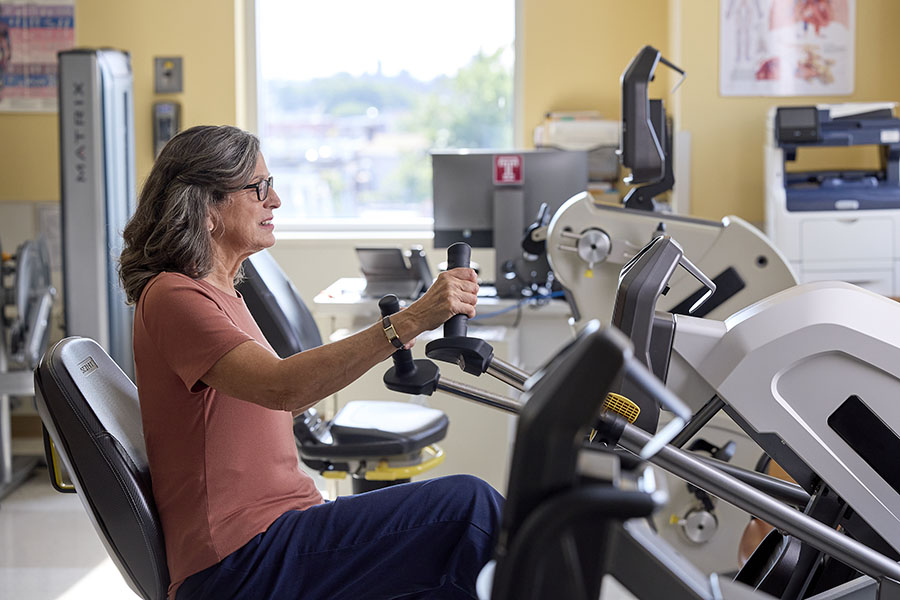
Lung disease is a condition that hampers lung function. There are three main types: airway diseases, lung tissue diseases, and lung circulation diseases. Anyone might suffer from lung disease, but your risk can increase if you smoke, are exposed to dust or fumes for a prolonged time, or have a family history of lung disease. The symptoms of lung disease include asthma, chronic bronchitis, influenza, pneumonia, lung cancer, Sarcoidosis, and pulmonary fibrosis. To get the necessary treatment, you need to book an appointment with a Pulmonary Therapy Houston. Pulmonary Therapy is a health program that helps spread awareness about the lungs and their diseases. Before starting the program, the doctor will assess your symptoms, oxygen needs, exercise capacity, health condition, including comorbidities, and mental health. How Pulmonary Therapy Houston Helps People Suffering from Lung Disease Exercise: One of the most essential components of pulmonary physical therapy is exercise. This physical activity helps you to breathe efficiently by improving your lung function, increasing physical endurance, and strengthening the muscles of the lungs. A healthcare expert will select the physical activity that you can perform safely, and during this session, you will have exercise sessions two to three days a week. The pulmonary therapy exercise might include warm-up and cool-down, stretching exercises, respiratory muscle training, resistance or weight training, etc. You will start with shorter exercises and gradually increase their duration over time. Each exercise you will do will last for a minute, and it might be extended for up to 30 minutes depending on your comfort. During this procedure, the doctor will ensure whether you are managing the level of exercise or not. He will also ask you whether you are feeling any kind of discomfort, including breathlessness, during the process. Education: Education is one of the most important things that can help a patient suffering from various disorders. For pulmonary therapy, you can visit Pulmonary Therapy Houston, which will guide you on how to manage the symptoms of Lung disease and how to live better with your lung condition. This includes managing shortness of breath, understanding medications, when to use supplemental oxygen, treating infections, and you can learn how to use medical equipment at home. Breathing retraining: When you suffer from lung disease, you might suffer from shortness of breath while doing regular activities. This is why breathing retraining is done during pulmonary therapy, which helps you to manage the condition of chronic lung disease, including breathlessness. The breathing retraining techniques might include controlled breathing techniques like diaphragmatic breathing or pursed lip breathing, relaxation techniques, and suggest a tripod/orthopedic position that helps to relieve shortness of breath. Mental health support: When an individual suffers from chronic lung disease, it might feel stressful to live with it. This is why mental health support is provided in a pulmonary rehabilitation cente,r which helps you to manage anxiety, stress, depression, and other mental health issues. The techniques used are relaxation/distraction techniques, counseling, support groups, and medications. Nutrition: Malnutrition can increase the risk of infections and respiratory failure in people suffering from lung diseases. This is because nutrition recommendation is given in pulmonary rehabilitation, which improves lung function and exercise tolerance and reduces the risk of complications. Depending on your current lung condition, the doctor might suggest proper nutrition, which helps to increase the strength of the lungs. This might mean you have to consume the necessary amount of protein and eat smaller but more frequent meals. If you are at higher risk of aspiration, the doctor might teach you swallowing techniques to minimize the risk. Conclusion: Lung disease is a serious condition that is caused by infections, environmental factors, and genetic conditions. The symptoms of this disease include shortness of breath, chronic cough, wheezing, chest pain, and excessive mucus production. To get the necessary treatment, you can visit a lung specialist in Houston. Pulmonary physical therapy is an awareness program that is advised by a healthcare expert to manage the symptoms of chronic lung diseases. This program includes exercise, education, breathing retraining, chest physical therapy, mental health support, and nutritional recommendations.

Why Early Physical Therapy Intervention is Key to Whiplash Recovery
The most usual application of early physical therapy is whiplash treatment. There may be a feeling of ache and pain simply because it is impossible to use the neck immediately after an injury from a whiplash. Early physical therapy accelerates recovery shortly after the injury has occurred. A physical therapist first makes a diagnosis and then comes up with an adapted treatment plan for its management. Thus, their interventions are about pain relief and return of mobility in the muscles along with strengthening of cervical musculature. Initially, in the course of treatment, gentle exercises are applied so that pain does not get worse; further stages of recovery involve challenging exercises such as exercises to strengthen and increase flexibility. Additionally, patients are educated to maintain good posture and work ergonomically so that future problems can also be avoided. Early physical therapy may make it possible for the patient to eliminate the pain and begin to restore neck function in a short period of time. The sooner you begin the treatment after the injury, the more it creates an opportunity for a speedy recovery. The physical therapist will assess your condition and give you point-specific exercises for healing and returning to daily activities as soon as possible. What is Whiplash? Whiplash is a medical term for a neck injury caused when the head is suddenly jerked forward and then backward. The rapid movement often strains muscles and ligaments in the neck. It is an all-too-common phenomenon after car accidents but can occur when someone participates in contact sports or falls. Many people complain of pain and stiffness in their necks. If you think you may have whiplash, be sure to see a healthcare professional. Common Causes of Whiplash Whiplash can result from various activities and incidents. Here are some common causes and important considerations: Whiplash often occurs in contact sports like football or rugby, where impacts force the head in unexpected ways. Other possible causes of whiplash include: Falling Being abused Amusement rides Understanding these causes can help you become more aware of risk factors. If you experience symptoms after an incident, contact a healthcare provider. Early Signs and Symptoms of Whiplash to Watch For A neck injury caused by whiplash can result in various symptoms, such as pain, stiffness, headache, and dizziness. Other possible symptoms that may occur in some individuals include: Fatigue Difficulty concentrating Tinnitus Symptoms can appear immediately after the injury or may take a few days to develop. It is important to seek care promptly if you notice any early signs. Consult a doctor if you experience these symptoms so they can evaluate your condition and help you toward an appropriate treatment plan. How Does Whiplash Injury Occur? A whiplash injury causes a jerking action of the head backward, then forward, placing tension in the neck muscles and ligaments. It often happens during automobile accidents in which another vehicle hits from behind. Other examples include sports collisions or falls. Knowing how this happens makes you more careful. If you have had a hit or knock to the head, look for symptoms and seek the advice of a healthcare professional to get an evaluation. Immediate Actions Following a Whiplash Injury Start by trying to remain calm and assessing the severity of symptoms: Try not to move your neck if you are feeling pain or dizziness; apply ice on the affected area to help reduce swelling. Be sure to report all the details of what happened because this will prove very useful to the doctor. Do not wait to visit a doctor for proper assessment and subsequent treatments. Urgent Steps for Medical Attention See a doctor or other medical professional familiar with neck injuries. They should perform an examination and then make decisions about ordering imaging tests to determine the extent of your injury. All signs of a neck injury must be taken seriously, and the sooner you receive a diagnosis, the less likely it is that complications can arise. Informed patient behaviour is crucial. Key Initial Assessments and Examinations The first thing that is done is a patient’s assessment in terms of taking the patient’s history and conducting a physical examination by healthcare providers. One should check if the patient can flex, extend, and rotate and if he or she has any neurological deficits. More serious injuries are ruled out, if necessary, through X-rays and MRIs. All these assessments help determine what kind of treatment to give to a patient with a whiplash injury. Therefore, honesty about your symptoms is very important so that there may be proper diagnosis and treatment. You can ask any question you wish to during the tour; your clear understanding of the process is important. Importance of Timely Care for Recovery It is always recommended that you get expert care as early as possible to avoid complications. When you have been in situations that might cause whiplash, it’s best to get some scans and diagnoses done so as to ensure protection. This helps identify early risk factors and gives a better recovery window. How Early Physical therapy Intervention is Important in Whiplash Treatment Early treatment shortly after the injury can reduce your pain and restore proper neck function. Physical therapists would review your condition and give you specific exercises to promote healing. They would educate you on proper movement to avoid overstraining yourself again. Early physical therapy not only helps your body but also rebuilds your confidence in your actions. Preventing Chronic Pain Early physical therapy helps in the efficient management of symptoms. The physical therapist creates a customised plan that deals with pain and improves function as well. Regular treatment sessions keep you in line with your progress and stay monitored. The learning of appropriate movement patterns and exercises limits the chance of pain becoming chronic. Improving Mobility Physical therapy helps to revive the movement and flexibility of your neck. Physical therapists assess your condition and develop a personalised program of exercises to enhance your range of motion. These exercises help regain
How Pulmonary Rehabilitation Enhances Senior Respiratory Health?
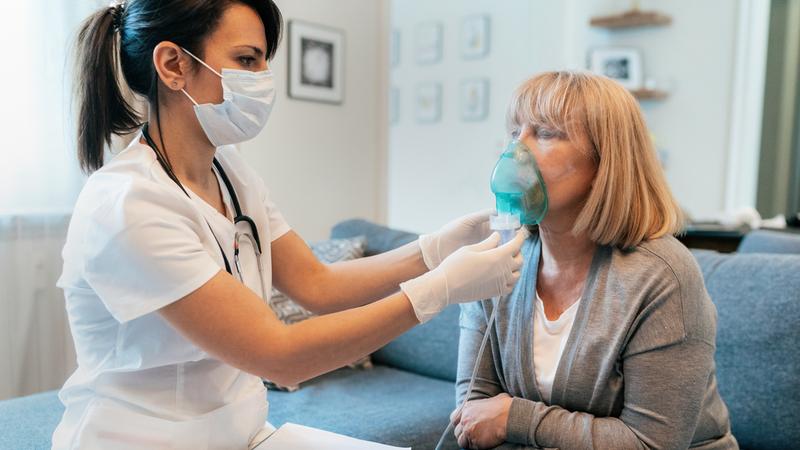
The golden years of life should be marked by vitality and well-being, yet respiratory challenges can cast a shadow over this chapter. Seniors facing conditions like Chronic Obstructive Pulmonary Disease (COPD), pulmonary fibrosis, or post-surgery recovery often find themselves grappling with reduced lung function and its subsequent impact on daily life. Enter pulmonary therapy—a transformative and holistic approach aimed at enhancing senior respiratory health. In this blog, we will delve into the multifaceted dimensions of pulmonary therapy at Advance Physical Therapy, exploring how it goes beyond mere exercises to breathe life and vibrancy into the senior years. Understanding Pulmonary Rehabilitation Houston Pulmonary Rehabilitation Services for Older Adults is a specialized program that is meticulously crafted to cater to individuals grappling with chronic respiratory conditions, ranging from Chronic Obstructive Pulmonary Disease (COPD) to asthma and interstitial lung disease. However, its significance extends beyond those with specific diagnoses, proving highly beneficial for seniors even without overt respiratory issues. Components of Pulmonary Rehabilitation: Pulmonary Treatment Houston Tailored Exercise Programs: Central to pulmonary rehabilitation is a carefully curated exercise regimen. Unlike generic fitness routines, these programs are meticulously designed to cater to the unique needs and capabilities of each senior participant. Incorporating a variety of exercises, ranging from cardiovascular workouts to strength training, these programs aim to gradually improve lung capacity, boost endurance, and enhance overall physical fitness. The emphasis is not on pushing seniors to their limits but on creating a gradual and safe progression that aligns with individual capabilities. These tailored exercises contribute not only to improved respiratory function but also to increased muscle strength and cardiovascular fitness. Seniors engaging in these programs find themselves more equipped to navigate daily activities with ease, experiencing reduced fatigue and an enhanced sense of well-being. The tailored exercise component of pulmonary rehabilitation is a testament to our program’s commitment to promoting optimal health and vitality in the elderly population. Education on Respiratory Conditions: Knowledge is empowerment, and pulmonary rehabilitation places a strong emphasis on educating seniors about their respiratory conditions. This crucial aspect goes beyond physical exercises, providing seniors with valuable insights into the nature of their ailments and equipping them with the knowledge to actively manage their respiratory conditions. Participants in pulmonary rehabilitation gain knowledge about breathing techniques and strategies to cope with the challenges posed by chronic respiratory diseases. By fostering awareness and understanding, seniors become proactive participants in their health journey, making informed decisions that contribute to improved respiratory function and overall well-being. Education that we offer on respiratory conditions within the context of pulmonary rehabilitation empowers seniors, enabling them to take charge of their health and navigate daily life with a heightened sense of control and confidence. Nutritional Guidance: It plays a pivotal role in the holistic approach of pulmonary rehabilitation, recognising the intimate connection between diet and respiratory health. Seniors engaged in pulmonary rehabilitation benefit from our tailored nutritional guidance that goes beyond the conventional dietary recommendations. Our program emphasises the importance of a well-balanced diet rich in essential nutrients, vitamins, and minerals to support lung function and overall well-being. Seniors receive personalised advice on dietary choices that can positively impact their respiratory health. A nutritionally optimized diet not only aids in managing weight but also contributes to enhanced immune function, crucial for seniors with respiratory conditions. By addressing the nutritional aspect within the framework of pulmonary rehabilitation, seniors are empowered to make dietary choices that complement their respiratory health goals, fostering a comprehensive and proactive approach to overall well-being. Psychosocial Support: It forms a crucial pillar of pulmonary rehabilitation, recognising that respiratory health extends beyond physical well-being to include mental and emotional aspects. Seniors participating in pulmonary rehabilitation benefit from a supportive environment that addresses the psychosocial challenges often associated with chronic respiratory conditions. This includes access to support groups, counselling services, and coping mechanisms tailored to their unique needs. The emotional well-being of seniors is nurtured, promoting a positive outlook and resilience in the face of challenges. Psychosocial support not only acknowledges the emotional impact of respiratory conditions but actively works towards creating an atmosphere where seniors feel understood, valued, and connected. By addressing the psychosocial dimensions within the framework of pulmonary rehabilitation, seniors experience a holistic approach to health that recognizes the interconnectedness of mind and body, contributing to an overall enhanced quality of life. Benefits of Pulmonary Rehabilitation for Seniors Improved Respiratory Function: The primary goal of pulmonary rehabilitation is to enhance respiratory function. Through our carefully curated blend of tailored exercises, breathing techniques, and comprehensive education, seniors engaging in pulmonary rehabilitation witness a significant boost in their lung capacity, efficiency, and overall respiratory function. Our program’s focus on strengthening respiratory muscles contributes to reduced breathlessness, increased oxygenation, and a newfound ability to engage in daily activities with greater ease. Seniors often report enhanced energy levels and decreased fatigue, illustrating the profound impact of improved respiratory function on their overall vitality. The success of pulmonary rehabilitation in this aspect not only empowers seniors in managing their respiratory conditions but also cultivates a renewed sense of confidence and control over their health journey, allowing them to breathe life into their golden years with vigour and resilience. Enhanced Physical Fitness: It is a transformative outcome of pulmonary rehabilitation, contributing to a holistic improvement in senior respiratory health. Our tailored exercise programs within pulmonary rehabilitation are designed not only to enhance lung function but also to boost overall physical fitness. Seniors engaging in these programs experience improvements in cardiovascular fitness, muscle strength, and endurance. As a result, they find themselves more capable of navigating daily activities with greater ease and reduced fatigue. Our focus on personalised exercise regimens ensures that seniors progress at a pace aligned with their unique capabilities, promoting sustainable fitness gains. This holistic approach to physical well-being not only fosters respiratory health but also empowers seniors to maintain an active and independent lifestyle, embodying the essence of healthy ageing. The enhanced physical fitness achieved through pulmonary rehabilitation becomes a key contributor to the overall well-being