

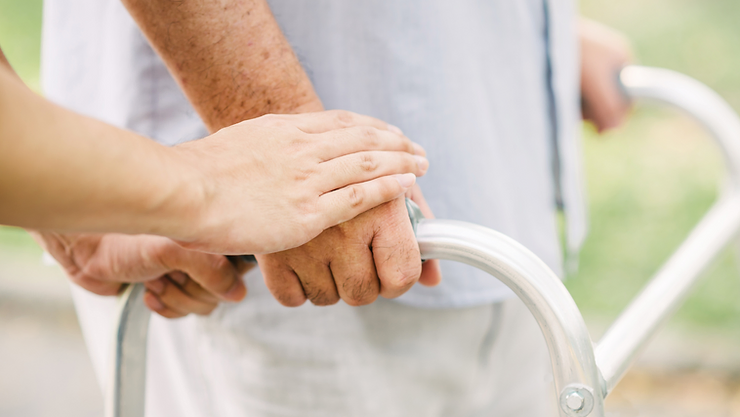
Bitter Fall Facts
Advance Therapy is actively campaigning to educate seniors of Fall Risk and what they can do to minimize their risk of suffering a fall. Why do Seniors Fall? According to the CDC around 800,000 seniors are hospitalized annually due to fall-related injuries. Falls can affect a person’s quality and quantity of life as well as increase the probability for more falls. Studies show that after a senior falls the first time, their risk of falling again doubles. There are a variety of internal and external factors in a seniors life that may increase the risk of falling. These risks develop with age since after the age of 65 skeletal muscle strength and mass decline causing muscle weakness and poor balance. What are external factors in a seniors environment that can increase risk of falls? Loose Rugs Inadequate shoes Clutter Uneven or broken steps Unsecured throw rugs Poor lighting What are internal factors that can cause a senior to fall? Lower body weakness Medicine side effects Difficulties with walking and balance Vision problems Foot pain Bladder problems that cause seniors to rush to the bathroom Unbalanced diet Poor sleeping schedule 7 Tips to Minimize Your Risk of Falling: 1.Exercising and Keeping Your Muscles StrongThe CDC recommends seniors get at least 150 minutes a week of moderate intensity activity like brisk walking, water aerobics, gardening, dancing or tennis. 2. Check Your Diet.According to the National health Service, there are four groups that should be present in every meal: 1.Lean protein (lean meats, seafood, eggs, beans 2.Fruits and vegetables (think orange, red, green, and purple) 3.Whole grains (brown rice, whole wheat pasta) 4.Low-fat dairy (milk and its alternatives) 3. Keep Track of Your Medications.It is important to have a system set in place to help keep track of medication intake, especially if you have multiple prescriptions. Incorporating your intake of medication to your morning and evening routine is one of the easiest ways to keep up with your consumption of medications. 4. Get Enough Rest.The National Institute of Health recommends seniors get 7 to 9 hours of sleep a night. To do this it is recommended to avoid drinking caffeine and taking naps in the afternoon as these elements could affect your sleeping schedule. Using cellular devices before bed is also not recommended as the blue light emitted from phones and TV’s can affect the production of melatonin. 5. Slow Down and Use Help Railings in showers and stairs are tools that help seniors keep balance around the house. Installing these at arms reach can be very helpful to sturdiness in a senior’s routine. Walkers and canes also help when moving around from place to place. 6. Conduct a Safety Assessment of Your Home Clutter in the home can become hazardous for seniors. Make sure that all walkways and busy areas of the house are clear of any items that can potentially cause a fall like loose rugs, boxes or misplaced items. 7. Be Aware of the Side Effects of The Medicine You Take Keep track of what medications you are consuming and consider giving a trusted loved one a copy in case of an emergency. Read carefully the possible side effects of your medication and if any doubts arise quickly contact your health care provider. Below we have attached a graphic with facts about falls in the U.S that affect the senior population. “Advance Therapy blogs and clinical information are educational resources by Advance Therapy clinical employees. The content provided here represents the opinion of the individual author based on their expertise and experience. The content provided in this blog is for informational purposes only, does not constitute medical advice, and should not be relied on for making personal health decisions.”
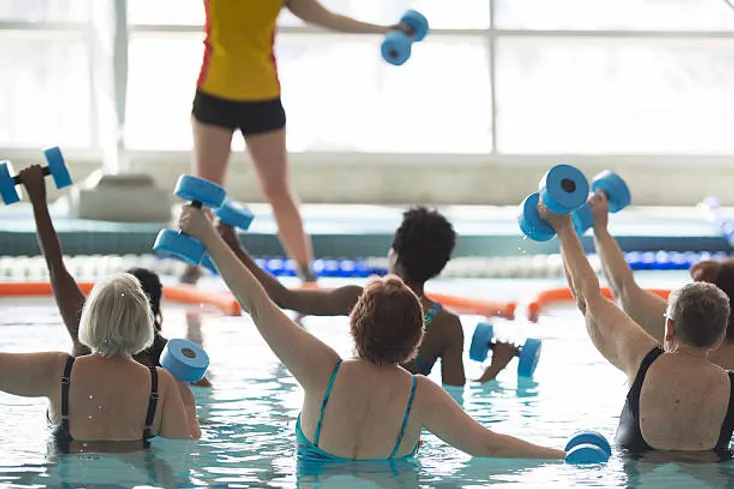
The Benefits of Aquatic Therapy
Aquatic therapy is a form of physical therapy that is significantly less stressful on the joints. This therapy is typically done in a pool heated anywhere from 86 F degrees F to 95 degrees F. These conditions create an ideal environment for patients to work on their injuries in a low intensity way. There are three main elements that make physical therapy beneficial above terrestrial physical therapy: 1.Buoyancy (which allows the reduction of weight in patients through the medium of water) 2.Viscosity ( the drag force provided by the water compared to the normal drag force of air) 3. Thermodynamic aspect of water exercise. These elements allow for a superior recovery experience for the patient and can even allow patients to show recovery at a faster pace than patients receiving a generic physical therapy treatment. These three elements combined form the following benefits for the patient’s recovery: #1 -Buoyancy The density of the water lessens the effect of gravity on joints and muscles which allows the patient to have a higher range of motion and flexibility while in the water while taking away the discomfort of the body’s weight. #2 -Muscle Relaxation The warmth of the water promotes relaxation which allows muscles and affected areas to have an increase in blood flow which encourages faster healing. This also helps reduce muscle spasms and cramps. “Include quotes by experts in your post to add credibility.” – SEO specialist #3 – Reduce Discomfort The even pressure of the water and its temperature allow the body relief from aches and pains which provides an opportunity to further progress in the physical therapy treatment without so much strain. #4 -Rebuilds Muscle Memory The constant resistance a patient feels in the water promotes slower movements which consequently give the brain more time to process the signals muscles release. This aids in the process of muscle memory and people with neurological conditions. #5 – Improve Balance The constant pressure and resistance of the water provide support to a patient’s body that helps feel secure and allow for movement without any fall risk or fear. #6-Fun Environment Being in the water provides positive stimulation and allows healing in a fun relaxed environment. Find out if you would benefit from aquatic therapy by contacting us! References 1.Zivi, I., Maffia, S., Ferrari, V., Zarucchi, A., Molatore, K., Maestri, R., & Frazzitta, G. (2018, May). Effectiveness of aquatic versus land physiotherapy in the treatment of peripheral neuropathies: A randomized controlled trial. Clinical rehabilitation. Retrieved June 21, 2022, from https://www.ncbi.nlm.nih.gov/pmc/articles/PMC5952298/ 2. Frohman, A. N., Okuda, D. T., Beh, S., Treadaway, K., Mooi, C., Davis, S. L., Shah, A., Frohman, T. C., & Frohman, E. M. (2015, August). Aquatic training in MS: Neurotherapeutic impact upon quality of life. Annals of clinical and translational neurology. Retrieved June 21, 2022, from https://www.ncbi.nlm.nih.gov/pmc/articles/PMC4554447/ 3.Zamunér, A. R., Andrade, C. P., Arca, E. A., & Avila, M. A. (2019, July 3). Impact of water therapy on pain management in patients with fibromyalgia: Current perspectives. Journal of pain research. Retrieved June 21, 2022, from https://www.ncbi.nlm.nih.gov/pmc/articles/PMC6613198/ “Advance Therapy blogs and clinical information are educational resources by Advance Therapy clinical employees. The content provided here represents the opinion of the individual author based on their expertise and experience. The content provided in this blog is for informational purposes only, does not constitute medical advice, and should not be relied on for making personal health decisions.”