


Physical Therapy: The Key to Moving Better and Living Pain-Free
Pain, stiffness, and limited mobility can make even the simplest daily activities feel overwhelming. Whether it’s back pain, a sports injury, post-surgical recovery, or chronic discomfort, these physical challenges can significantly affect your quality of life. Fortunately, physical therapy offers a proven, effective, and non-invasive solution to help people regain strength, restore movement, and return to the activities they love. At Advance Physical Therapy, we believe physical therapy is more than just rehabilitation—it’s a pathway to long-term health, independence, and pain-free living. In this blog, we’ll explore what physical therapy is, how it works, who can benefit from it, and why it plays such an essential role in overall wellness. What is Physical Therapy? Physical therapy is a specialized form of healthcare focused on improving movement, reducing pain, restoring function, and preventing future injuries. Licensed physical therapists use evidence-based techniques—including therapeutic exercises, manual therapy, and patient education—to help individuals recover from injuries, manage chronic conditions, and improve physical performance. Unlike treatments that rely solely on medication or surgery, physical therapy addresses the root cause of pain and dysfunction. By improving strength, flexibility, posture, and movement patterns, physical therapy promotes healing while empowering patients to take an active role in their recovery. How Physical Therapy Works Physical therapy begins with a comprehensive evaluation. At Advance Physical Therapy, our therapists assess your posture, movement, strength, flexibility, balance, and pain levels to understand your condition fully. Based on this assessment, we develop a personalized treatment plan tailored to your specific needs and goals. Treatment may include: Therapeutic exercises to strengthen muscles and improve mobility Manual therapy to reduce stiffness and improve joint function Stretching techniques to increase flexibility Balance and coordination training Pain-relief modalities such as heat, ice, or ultrasound Education on posture, ergonomics, and injury prevention Each session builds upon the last, ensuring steady progress toward recovery and long-term improvement. Conditions Physical Therapy Can Treat Physical therapy is highly versatile and effective for a wide range of conditions. Some of the most common issues treated at Advance Physical Therapy include: Back and Neck Pain Whether caused by poor posture, injury, degenerative conditions, or workplace strain, back and neck pain are among the most common reasons people seek physical therapy. Therapy strengthens the muscles that support the spine, improves posture, and restores healthy movement patterns. Sports Injuries Athletes of all levels benefit from physical therapy for sprains, strains, ligament injuries, and overuse conditions. Physical therapy not only helps athletes recover safely but also improves performance and reduces the risk of reinjury. Post-Surgical Rehabilitation After surgery, physical therapy is crucial for restoring movement, reducing pain, and preventing complications. Guided rehabilitation helps patients regain strength and confidence while ensuring a safe return to daily activities. Joint Pain and Arthritis Physical therapy helps manage joint pain and arthritis by improving joint mobility, strengthening surrounding muscles, and reducing stiffness—often delaying or avoiding the need for surgery. Workplace and Repetitive Strain Injuries Prolonged sitting, repetitive movements, and improper lifting can lead to chronic pain. Physical therapy addresses these issues through posture correction, ergonomic training, and muscle reconditioning. Benefits of Physical Therapy Physical therapy offers both immediate and long-term benefits that go beyond pain relief. Drug-Free Pain Management: One of the greatest advantages of physical therapy is that it reduces pain naturally—without relying on medication or invasive procedures. Improved Strength and Mobility: By strengthening muscles and improving joint function, physical therapy helps patients move more efficiently and confidently. Faster Recovery: Physical therapy accelerates the healing process by promoting circulation, restoring movement, and preventing stiffness. Injury Prevention: Correcting movement patterns and strengthening weak areas reduces the risk of future injuries. Better Quality of Life: Physical therapy allows patients to return to work, sports, and daily activities with less pain and greater independence. Physical Therapy for Long-Term Wellness Physical therapy isn’t just for recovery—it’s also a powerful tool for long-term health and prevention. Many patients continue physical therapy to maintain mobility, manage chronic conditions, and stay active as they age. Preventive physical therapy focuses on: Improving posture and body mechanics Enhancing balance and coordination Maintaining flexibility and joint health Supporting healthy aging By addressing small issues early, physical therapy helps prevent them from becoming larger, more debilitating problems. What Makes Advance Physical Therapy Different? At Advance Physical Therapy, we are committed to providing exceptional, patient-centered care. Our approach combines clinical expertise with compassion, ensuring every patient feels supported throughout their recovery journey. Why Choose Advance Physical Therapy? Personalized treatment plans tailored to your goals Experienced and licensed physical therapists Advanced techniques and modern equipment Holistic care focused on long-term results A supportive environment that encourages active healing We take the time to listen, educate, and guide our patients—because lasting recovery requires more than just treatment; it requires understanding and trust. When Should You See a Physical Therapist? You may benefit from physical therapy if you experience: Persistent or worsening pain Limited mobility or stiffness Recovery after surgery or injury Difficulty performing daily activities Frequent injuries or recurring pain Early intervention often leads to faster recovery and better outcomes, so don’t wait until pain becomes unbearable. Take the First Step toward Better Movement Physical therapy is a powerful, proven way to reduce pain, restore function, and improve your overall quality of life. Whether you’re recovering from an injury, managing chronic pain, or simply looking to move better, physical therapy can help you achieve your goals safely and effectively. At Advance Physical Therapy, we’re dedicated to helping you move stronger, live healthier, and feel your best. If you’re ready to take control of your physical health, our team is here to guide you every step of the way.

Why Physical Therapy Is Essential for Complete Spine Care
Are you struggling with back pain? You’re not alone. Nearly 85% of Americans experience back pain at some point in their lives, and for many, it interferes with work, daily activities, and time with family. Fortunately, long-lasting relief is more accessible than ever through physical therapy. For many patients, physical therapy plays a vital role in complete spine care by reducing pain, restoring movement, and improving overall quality of life. Let’s take a closer look at how physical therapy addresses spine and back pain—and whether it could be the right addition to your treatment plan. Why Spine Care Requires More Than Rest It’s a common belief that rest alone can heal back pain. While resting may temporarily reduce discomfort, it rarely addresses the underlying cause of the problem. As a result, pain often returns as soon as normal activities resume. Most spine-related pain stems from issues such as injuries, postural imbalances, repetitive strain, or degenerative conditions. Without proper treatment, these problems can worsen over time and lead to chronic pain or mobility limitations. Physical therapy strengthens the muscles that support your spine, improves movement patterns, and helps your body handle everyday physical demands—reducing the risk of future injuries. Why Physical Therapy Is Essential for Complete Spine Care Physical therapy is a cornerstone of comprehensive spine care, as it focuses on long-term healing rather than providing temporary relief. It restores mobility, strengthens supporting muscles, and improves spinal stability. Unlike pain medications that mask symptoms, physical therapy targets the root causes of pain. It is also far less invasive than surgery and typically requires less recovery time, allowing patients to heal more naturally and comfortably. Additional Benefits of Spine Physical Therapy Improved Posture: Targeted exercises and alignment training help correct postural imbalances. Reduced Risk of Recurrence: Stronger core and back muscles provide better spinal support and protection. Enhanced Flexibility: Stretching and strengthening exercises reduce stiffness and improve joint mobility. Common Spine Conditions Physical Therapy Can Treat Physical therapy is effective for a wide range of spinal conditions, including chronic pain, injury recovery, and post-surgical rehabilitation. Herniated Discs and Nerve Compression A herniated disc occurs when the cushioning material between vertebrae protrudes and compresses nearby nerves, causing pain, tingling, numbness, or weakness. Physical therapists use targeted stretching techniques to reduce disc pressure and relieve nerve compression, while strengthening exercises help stabilize the spine and lower the risk of recurrence. Chronic Back and Neck Pain Treatment for chronic neck or back pain depends on its cause. For degenerative conditions such as spinal stenosis or degenerative disc disease, therapy may include therapeutic exercises and manual techniques to enhance mobility and function. When pain results from muscle, tendon, and ligament, or fascial injury, soft tissue therapy and myofascial release can reduce tension, improve circulation, and limit scar tissue formation—supporting healthier healing. Postural Problems and Workplace Strain Poor posture, prolonged sitting, improper lifting, and repetitive movements can place excessive stress on the spine and surrounding muscles, leading to stiffness and chronic discomfort. Physical therapy addresses these issues through posture correction, ergonomic education, and training in proper body mechanics. Athletes and manual laborers also benefit from instruction on safe lifting techniques to reduce injury risk. Post-Surgical Rehabilitation Spinal surgery recovery can be physically demanding, often involving pain, stiffness, and limited movement. Post-surgical physical therapy helps reduce swelling, restore circulation, and improve mobility through gentle exercises and hands-on techniques. Rehabilitation also plays a critical role in preventing complications, such as blood clots, and supporting a safe return to daily activities. The Comprehensive Role of Physical Therapy in Spine Care The benefits of physical therapy for spine health include: Restored Strength and Mobility: Builds core and back strength to support spinal stability. Drug-Free Pain Relief: Uses natural, noninvasive techniques without medication side effects. Injury Prevention: Corrects movement patterns to reduce future injury risk. Personalized Treatment: Customized care plans tailored to your condition and recovery goals. Lifestyle Benefits of Physical Therapy Beyond treating spinal conditions, physical therapy can enhance your overall quality of life. It helps you return to normal activities faster after injury, reduces everyday discomfort from sitting, driving, or lifting, and empowers you to manage your spine health with confidence. When to Consider Physical Therapy for Spine Pain You may benefit from physical therapy if you experience: Chronic or worsening back or neck pain Limited mobility or stiffness Recovery after injury or surgery Lack of improvement with rest or self-care If any of these apply, the experienced spine specialists at Advance Physical Therapy in Houston can integrate physical therapy into your treatment plan to support optimal recovery. Stronger Backs, Better Lives Physical therapy is essential for complete spine care because it treats pain at its source while strengthening the spine to reduce the risk of re-injury. If you’re seeking long-term relief and improved function, this approach may be the right solution for you. At Advance Physical Therapy, we provide comprehensive care that combines physical therapy with advanced spine treatments, including chiropractic care, myofascial release, and dry needling—helping you move better and live better.

Physical Therapist vs. Chiropractor: Which is best for Your Back Pain
When back pain strikes, finding relief is only part of the challenge. Another common question many patients face is deciding who to see for treatment. Should you visit a physical therapist or a chiropractor? Because physical therapy and chiropractic care often overlap in their goals, choosing between the two can feel confusing. The good news is that these specialties are not competitors—they are complementary. Many patients experience the best results when both approaches are combined. Let’s explore the key differences between physical therapists and chiropractors, and how Advance Physical Therapy integrates both to provide comprehensive back pain relief. Understanding the Difference between a Physical Therapist and a Chiropractor Before deciding which provider is right for you, it’s helpful to understand how each specialty approaches back pain treatment. What a Chiropractor Does Chiropractic care focuses on restoring proper spinal alignment so the body can heal and function more efficiently. When the spine is misaligned, it can interfere with both the musculoskeletal and nervous systems. Conditions such as bulging discs, joint dysfunction, and shoulder impingement can place excess pressure on nerves, leading to pain, stiffness, and reduced mobility. Chiropractors address these issues through precise spinal adjustments—controlled thrusts applied to specific areas of the spine. These adjustments help: Reduce nerve pressure Decrease inflammation Improve spinal mobility Provide faster pain relief Chiropractic care is especially effective for improving alignment and jumpstarting the healing process. What a Physical Therapist Does Physical therapists focus on restoring movement, strength, and overall function. Their primary goal is to help patients return to daily activities with less pain and greater confidence. A physical therapist evaluates how your muscles, joints, and movement patterns work together. Based on this assessment, they design a personalized exercise and treatment program to: Strengthen weak muscles Improve flexibility Correct faulty movement patterns Prevent future injuries Physical therapy is particularly beneficial for long-term recovery following injury, surgery, or chronic pain conditions. Shared Goals, Different Approaches While chiropractors and physical therapists use different techniques, they share the same core objectives: Reduce pain Restore function Improve mobility Help patients stay active and healthy Chiropractic adjustments can improve spinal alignment and reduce nerve irritation, making it easier for patients to move comfortably. Physical therapy then builds on that foundation by strengthening muscles and improving movement, leading to longer-lasting results. How to Know Which Back Pain Specialist You Need Back pain—whether in the upper or lower back—can have many causes. Choosing between a physical therapist and a chiropractor depends on your symptoms, condition, and recovery goals. When to See a Chiropractor You may benefit from chiropractic care if your back pain is related to spinal misalignment or joint restrictions. Chiropractors provide targeted adjustments that relieve pressure on nerves, restore alignment, and improve overall mobility. When to See a Physical Therapist Physical therapy is ideal if your goal is to rebuild strength, improve flexibility, or recover from injury or surgery. A physical therapist will create a customized program to retrain movement patterns and support long-term healing. When to Combine Both Treatments For many patients, the most effective solution is a combination of chiropractic care and physical therapy. This integrated approach ensures proper spinal alignment while strengthening the muscles that support it—resulting in more durable pain relief and better overall function. Comprehensive Back Pain Care at Advance Physical Therapy At Advance Physical Therapy, we believe in treating the whole person—not just the symptoms. By combining physical therapy and chiropractic principles, we offer a holistic approach to back pain that supports both immediate relief and long-term recovery. If you’re unsure which treatment is right for you, our experienced team can guide you toward the best plan for your needs.

How Physical Therapy Clinics Help You Recover from Auto Accidents
Auto accidents can be traumatic—physically, emotionally, and mentally. In the moments following a collision, pain, stiffness, and limited mobility are common and can significantly disrupt your daily life. While seeing a physician is an important first step, physical therapy plays a vital role in restoring strength, movement, and overall function. At Advance Physical Therapy, serving the Houston area, our skilled physical therapists specialize in helping patients recover safely and effectively after auto accident injuries. In this blog, we explore how physical therapy in Texas can support your recovery and help you return to an active, pain-free lifestyle. Common Auto Accident Injuries Treated with Physical Therapy Car accidents often result in injuries that may not be immediately noticeable but can worsen over time if left untreated. Some of the most common auto accident injuries include: Whiplash Neck and back pain Soft tissue injuries Muscle strains and joint stiffness Physical therapy is highly effective in treating these conditions by reducing pain, restoring range of motion, and rebuilding strength. With consistent care and a customized treatment plan, physical therapy can significantly speed up recovery and help prevent long-term complications. Accurate Injury Evaluation and Diagnosis Proper recovery begins with an accurate diagnosis. At Advance Physical Therapy, our therapists use advanced assessment techniques to evaluate the extent of your injury. Based on your condition, we develop a personalized treatment plan that outlines the duration, intensity, and most effective therapies for your recovery. Reduce Inflammation and Swelling Inflammation is a common response to trauma and can lead to pain and restricted movement. Physical therapy treatments such as therapeutic ice and heat, soft tissue mobilization, and massage therapy help reduce swelling and promote healing. Ongoing therapy also helps prevent further damage to affected areas. Pain Relief and Muscle Recovery Auto accident injuries often cause muscle tightness, spasms, and chronic pain. Our physical therapists design targeted exercise programs to strengthen injured muscles, improve flexibility, and restore mobility. Over time, these treatments help relieve pain naturally—without relying solely on medication. Improve Flexibility and Range of Motion Injuries such as whiplash can limit movement and affect your quality of life. Physical therapy focuses on restoring flexibility and joint mobility through guided stretching and controlled exercises. These techniques help you regain muscle control and move comfortably again. Non-Invasive Treatment Options Physical therapy offers safe, non-invasive solutions for recovery. Treatment options may include: Manual therapy Stretching and strengthening exercises Ultrasound therapy Massage therapy Dry needling These approaches enhance the body’s natural healing process while avoiding surgical or invasive procedures. Physical Therapy Treatments After an Auto Accident At Advance Physical Therapy, we understand that every auto accident injury is unique. Our goal is to provide comprehensive, individualized care to help you heal efficiently and confidently. Spinal Rehabilitation Auto accidents can cause spinal injuries that affect balance, mobility, and nerve function. Our spinal rehabilitation programs incorporate therapeutic exercises, manual therapy, electrical stimulation, and hydrotherapy to restore strength and movement. Our licensed physical therapists closely monitor your progress to ensure safe and effective recovery. Whiplash Treatment Whiplash occurs when the neck is forcefully moved forward and backward, damaging muscles and ligaments. Without treatment, it can lead to chronic pain. Our whiplash treatment programs include manual therapy, chiropractic care, massage, and rehabilitation exercises designed to reduce pain, improve mobility, and prevent future injury. Dry Needling Dry needling is a highly effective technique used to release muscle tension, improve circulation, and reduce pain by targeting trigger points. Our experienced therapists are trained in dry needling and often incorporate it into treatment plans for auto accident injuries and other musculoskeletal conditions. Why Choose Advance Physical Therapy After an Auto Accident? Recovering from an auto accident can feel overwhelming, but you don’t have to do it alone. At Advance Physical Therapy, our experienced team is dedicated to helping you heal safely and effectively. We offer: Personalized treatment plans Highly trained and licensed physical therapists Advanced equipment and modern technology Compassionate, patient-focused care

Recovering After a Motor Vehicle Accident in Houston: How Advance Physical Therapy Helps You Heal Safely and Effectively
Motor vehicle accidents can turn your life upside down in just a matter of seconds. Even a “minor” collision can leave you dealing with pain, stiffness, reduced motion, or lingering discomfort that affects your daily activities. When it comes to recovering from a Motor Vehicle Accident in Houston, seeking the right treatment early makes a tremendous difference in healing time, long-term mobility, and overall well-being. At Advance Physical Therapy, we specialize in treating patients who have experienced Motor Vehicle Injuries in Houston and need personalized care to restore strength, reduce pain, and regain full function. With evidence-based techniques, hands-on treatment, and individualized exercise plans, our clinic provides some of the most trusted Auto Accident Injury Treatment Houston residents rely on for lasting recovery. This comprehensive guide will help you understand the effects of car accidents, why physical therapy is essential, and how Advance Physical Therapy supports your journey to pain-free movement. Understanding the Impact of a Motor Vehicle Accident Every motor vehicle accident—whether a rear-end collision, side impact, or multi-car crash—subjects the body to sudden forces that it is not designed to absorb. Even if there is no visible injury or broken bone, the muscles, joints, ligaments, and spine can suffer hidden damage. Common injuries resulting from a Motor Vehicle Accident in Houston include: Whiplash One of the most common injuries, whiplash occurs when the neck snaps back and forth quickly. Symptoms may include pain, headaches, stiffness, dizziness, and limited range of motion. Back and Spine Injuries Lower back pain, herniated discs, and spinal misalignment often occur due to impact forces. Shoulder and Arm Injuries The seat belt can cause shoulder strain, and passengers may instinctively brace themselves, leading to sprains or soft-tissue injuries. Knee and Hip Injuries Hitting the dashboard or twisting on impact can cause ligament injuries, bruising, or joint strain. Nerve Pain Pinched nerves or inflammation from impact can trigger numbness, tingling, or muscle weakness. Soft Tissue Damage Muscles, tendons, and ligaments may suffer microtears or strains that cause long-lasting discomfort. Concussions and Headaches Even without hitting the head directly, sudden acceleration can cause mild traumatic brain injuries. Many injuries do not show up immediately, making early evaluation essential. At Advance Physical Therapy, we carefully assess movement, pain levels, and injury extent to create a targeted care plan. Why Physical Therapy Is Essential After Motor Vehicle Injuries in Houston Recovering from a car accident involves much more than waiting for pain to fade. Without proper treatment, injuries can worsen, become chronic, or lead to long-term mobility issues. Physical therapy focuses on restoring normal function, reducing inflammation, and preventing future complications. Here’s why physical therapy is one of the most effective treatments for Motor Vehicle Injuries in Houston: Reduces Pain Naturally Instead of relying solely on medication, physical therapy uses manual techniques, stretching, and strengthening exercises that treat the root cause of pain. Restores Mobility Injuries often cause stiffness and limitations in movement. Physical therapy helps restore flexibility and joint mobility. Speeds Up Recovery Hands-on therapy, therapeutic exercise, and modalities such as heat, ice, and electrical stimulation help tissues heal faster. Prevents Chronic Pain Untreated injuries can lead to long-term inflammation, scar tissue buildup, and chronic pain. Early treatment prevents these issues. Strengthens Injured Areas Physical therapy strengthens muscles surrounding injured areas, improving stability and preventing reinjury. Improves Daily Function Whether it’s returning to work, lifting your children, or enjoying sports again, therapy helps you regain confidence in your movement. Supports Overall Well-Being Beyond physical healing, recovering from an accident can be mentally overwhelming. Therapy helps patients feel in control of their recovery. When you choose Auto Accident Injury Treatment Houston at Advance Physical Therapy, you’re getting a team committed to research-backed and patient-centered care. What to Expect During Your Treatment at Advance Physical Therapy Every recovery journey is different. That’s why our approach begins with a detailed evaluation and a customized treatment plan for each patient. Here’s what you can expect when you visit our clinic: Comprehensive Initial Evaluation We start by assessing: Pain levels Muscle strength Joint mobility Posture and alignment Functional movement Nerve involvement This helps us pinpoint the root causes of discomfort and design a treatment plan tailored to your injuries. Customized Treatment Plan No two motor vehicle injuries are alike. Your plan may include: Manual therapy Soft tissue mobilization Joint mobilization Stretching routines Strengthening exercises Balance and coordination training Modalities such as heat, ice, ultrasound, or electrical stimulation This multi-layered approach helps accelerate your healing. Pain Relief Techniques We use proven techniques to reduce muscle tension, improve blood flow, and relieve pain without relying on medication alone. Guided Exercise Therapy Therapists guide you through exercises designed to restore strength, prevent stiffness, and support healing. Education and Home Exercises We teach you how to maintain progress between sessions with targeted exercises and lifestyle recommendations. Ongoing Progress Monitoring Your therapist will adjust your program as your body heals, ensuring continuous improvement and long-term recovery. At Advance Physical Therapy, our goal is to help every patient move safely, recover quickly, and return to daily life without pain. Why Choose Advance Physical Therapy for Auto Accident Injury Treatment Houston? There are many physical therapy providers, but when it comes to treating car accident injuries, specialized knowledge and experience matter. Here’s why patients trust us: Experienced Injury Specialists Our therapists have years of experience treating patients affected by car accidents and understand the complexities of post-impact injuries. Personalized One-on-One Care We take time to understand your symptoms, lifestyle, and goals, ensuring a program that’s built specifically for you. Modern Treatment Techniques Our clinic is equipped with advanced therapeutic tools and evidence-based treatment strategies for optimal results. Insurance-Friendly Approach Most auto insurance providers cover physical therapy for accident-related injuries. We help guide you through the process. Comprehensive Recovery Strategies We address strength, flexibility, pain, balance, and overall movement—ensuring you recover fully, not temporarily. Commitment to Long-Term Health We don’t just treat symptoms; we help prevent reinjury and support lifelong wellness. When searching for Motor Vehicle Accident in Houston

Fall Prevention in Houston: How Advance Physical Therapy Helps Reduce Risks and Improve Safety
Falls are one of the leading causes of injury among older adults, yet many people underestimate how preventable they can be. Every year, thousands of individuals experience falls that result in fractures, hospital visits, reduced mobility, or loss of independence. Fortunately, through proper assessment, targeted therapy, and proactive training, falls can be dramatically reduced. That’s why Fall Prevention in Houston has become an important focus for physical therapists, caregivers, and families. At Advance Physical Therapy, we specialize in evidence-based Fall Prevention Therapy in Houston, designed to help individuals improve balance, build strength, boost confidence, and maintain independence at every stage of life. In this comprehensive guide, we’ll explore the causes of falls, why prevention matters, and how our specialized programs support safer mobility for adults of all ages. Why Fall Prevention Matters While anyone can experience a fall, older adults are at greater risk due to natural age-related changes in strength, balance, and mobility. According to national health statistics, falls are the leading cause of injury in adults over 65. But falls are not just an accident—they are often a symptom of underlying issues that can be treated. Common consequences of falls include: Hip fractures Head injuries Loss of mobility Reduced confidence Hospitalization and rehabilitation Long-term disability Because of these risks, prioritizing Fall Prevention Treatment in Houston is essential not only for safety but also for maintaining independence and quality of life. Common Causes of Falls To prevent falls, it’s important to understand what causes them. Falls can result from one factor—or a combination of many. At Advance Physical Therapy, our therapists perform a thorough assessment to identify the root causes behind each individual’s risk. Poor Balance Changes in the inner ear, neurological conditions, or aging can make it difficult to stay steady. Muscle Weakness Weakness in the legs, hips, or core can make walking and standing more challenging. Mobility Problems Arthritis, joint stiffness, and previous injuries can affect gait and stability. Vision Impairments Poor depth perception or vision changes make navigating the environment difficult. Medications Some medications cause dizziness, fatigue, or confusion, increasing fall risk. Chronic Health Conditions Stroke, diabetes, neuropathy, Parkinson’s disease, and other conditions affect balance and coordination. Environmental Hazards Clutter, poor lighting, slippery floors, and uneven surfaces are common triggers. Understanding these causes allows physical therapists to build customized Houston Fall Prevention programs that target each patient’s specific risks. How Physical Therapy Helps Prevent Falls Physical therapy is one of the most effective methods of preventing falls because it addresses the root causes rather than simply treating injuries after they occur. At Advance Physical Therapy, our Fall Prevention Treatment in Houston is built around scientifically proven techniques that enhance stability, strength, and mobility. Here’s how physical therapy makes a difference: Balance Training Balance declines naturally with age, but targeted balance exercises can restore stability and confidence. Therapists help patients practice activities that challenge equilibrium safely. Strengthening Exercises Strong muscles—especially in the core and lower body—are essential for fall prevention. We create personalized strength programs for hips, knees, ankles, and core muscles. Gait and Walking Training If a person walks with a shuffle, imbalance, or weak stride, fall risk increases. Our therapists analyze gait patterns and correct poor mechanics with training and support. Vestibular Rehabilitation Many patients experience dizziness or vertigo, which can cause falls. Vestibular therapy helps retrain the brain and improve balance. Flexibility and Posture Improvement Tight muscles and poor posture can strain joints and destabilize movement. Therapy helps restore comfortable and safe mobility. Assistive Device Training For patients who need walkers, canes, or specialized equipment, proper training ensures these tools enhance safety rather than hinder mobility. Environmental and Lifestyle Recommendations We provide guidance on home safety modifications, footwear choices, and daily habits that minimize risk. These therapeutic interventions make Fall Prevention Therapy in Houston one of the most effective ways to avoid injury and maintain independence. What to Expect During a Fall Prevention Evaluation When patients visit Advance Physical Therapy for Fall Prevention in Houston, they begin with a detailed evaluation. This helps us understand what factors contribute to their fall risk and how to address them. During the assessment, we typically evaluate: Balance and coordination Walking patterns and gait stability Muscle strength Range of motion Posture Joint mobility Vision and vestibular function Medical history and medication risks Home environment factors Based on these findings, our therapists design a personalized Houston Fall Prevention plan tailored to each patient’s needs, abilities, and goals. Who Can Benefit from Fall Prevention Therapy? Fall prevention therapy isn’t only for older adults. Many people benefit from this type of treatment, including: Older adults experiencing balance issues Natural aging can lead to strength decline, reduced sensation, and slower reaction time. Individuals with neurological conditions Parkinson’s disease, stroke, and neuropathy can significantly affect balance and coordination. People recovering from surgery or injury Knee replacements, hip surgeries, and back pain impact mobility and increase fall risk. Those experiencing frequent dizziness Vestibular disorders make walking or standing feel unstable. Anyone with a history of falls A previous fall is the strongest predictor of future falls. Adults with chronic conditions Arthritis, diabetes, and cardiovascular disease can limit mobility. If you or a loved one falls into any of these categories, Fall Prevention Treatment in Houston at Advance Physical Therapy can be an essential step toward staying safe and active. Why Choose Advance Physical Therapy for Fall Prevention in Houston? With many clinics in the city, it’s important to choose a provider who understands fall prevention at a deep and clinical level. Here’s why patients trust Advance Physical Therapy: Experienced and Caring Therapists Our licensed physical therapists specialize in balance training, geriatric care, gait therapy, and vestibular rehabilitation. Personalized Care Plans Every patient receives a custom program based on their evaluation, goals, and lifestyle needs. Evidence-Based Treatment We use the latest clinical research to build effective Houston Fall Prevention solutions. Supportive and Encouraging Environment We help build confidence every step of the way—because confidence itself reduces fall risk. Focus on Independence Our mission is
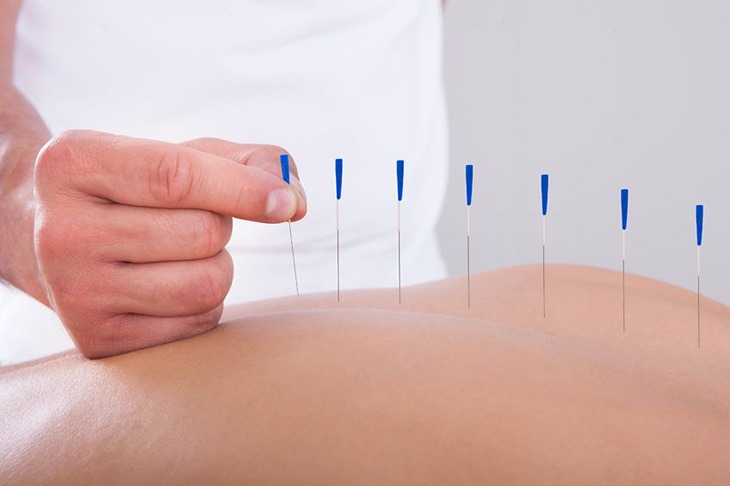
Dry Needling Therapy in Houston: A Complete Guide to Pain Relief and Faster Recovery
Muscle pain, tension, and limited mobility can significantly disrupt your daily routine, athletic performance, and overall quality of life. For many people, traditional physical therapy alone may not always provide an immediate solution—especially when deep muscular trigger points are involved. That’s where dry needling therapy in Houston becomes an effective and modern approach to pain management and healing. At Advance Physical Therapy, we proudly offer this innovative technique to help patients experience quicker relief, improved mobility, and long-term recovery. Whether you’re dealing with chronic pain, sports injuries, post-surgical tightness, or daily muscular stress, dry needling Houston is becoming one of the most trusted treatments recommended by physical therapists across the city. In this detailed guide, we’ll explain what dry needling is, how it works, who can benefit from it, and why Advance Physical Therapy is one of the leading providers of dry needling treatment Houston. What Is Dry Needling Therapy? Dry needling is a specialized physical therapy technique that uses thin, sterile needles to target trigger points—tight bands of muscle fibers that can cause pain, stiffness, and restricted movement. Despite misconceptions, dry needling is not the same as acupuncture. While acupuncture is based on traditional Chinese medicine, dry needling is rooted in Western anatomical and neurophysiological science. During Dry Needling Therapy in Houston, a licensed physical therapist inserts fine needles into dysfunctional muscle tissue. This helps release tightness, stimulate healing, improve blood flow, and reset muscle function. Many patients experience immediate relief after their first session. How Does Dry Needling Work? Dry needling works by stimulating trigger points and neuromuscular junctions to create a “therapeutic twitch response.” When this response occurs, the muscle involuntarily contracts and then relaxes, reducing tension and restoring proper function. Some key benefits include: Reduced muscle pain and soreness Release of tight or knotted muscles Improved range of motion Better circulation and healing Decreased nerve irritation Enhanced muscle activation for athletes At Advance Physical Therapy, our clinicians use dry needling as part of a comprehensive treatment plan, ensuring patients get the most effective and safest Dry Needling Treatment Houston has to offer. Conditions Treated With Dry Needling Dry needling is highly versatile and beneficial for a wide range of musculoskeletal conditions. Whether your pain is acute, chronic, injury-related, or stress-induced, our Dry Needling Service Houston can address issues such as: Chronic Muscle Pain Dry needling helps break chronic pain cycles by targeting deep muscle tension that traditional therapy cannot reach. Sports Injuries Athletes who struggle with hamstring strains, IT band tightness, rotator cuff pain, or calf strains benefit greatly from Houston Dry Needling. Neck and Back Pain Trigger points in the shoulders, upper traps, and lower back often cause stiffness and shooting pain. Dry needling provides fast relief. Headaches and Migraines Muscle tension in the neck, jaw, and upper back can contribute to headaches. Dry needling releases these tension points. Post-Surgical Stiffness After surgery, muscles may become tight or inhibited. Dry needling improves movement and accelerates recovery. Joint Pain Pain originating from muscular imbalances around joints like the hip, knee, or shoulder is commonly treated with dry needling. Sciatica and Nerve Pain Dry needling can calm irritated nerves by releasing pressure caused by tight muscles. If you’re wondering whether your condition qualifies for Dry Needling Therapy in Houston, our therapists at Advance Physical Therapy will evaluate your symptoms and create a personalized treatment plan. What to Expect During Your Dry Needling Session Knowing what to expect can help you feel more comfortable during your first Dry Needling Houston session. At Advance Physical Therapy, your therapist will begin with a thorough evaluation to identify the root cause of your pain. Once the target areas are identified, you can expect the following steps: Preparation The skin is cleaned, and sterile, single-use needles are prepared. Needle Insertion The therapist gently inserts a very thin needle into the trigger point. You may feel slight pressure or a mild twitch. Therapeutic Response Patients often experience: A dull ache A brief muscle twitch A sensation of muscle releasing These are normal and indicate that the treatment is working. Post-Treatment Care Some soreness may occur for 24–48 hours, similar to a deep workout. Applying heat, staying hydrated, and gentle stretching can reduce discomfort. Your therapist will then follow up with strengthening exercises, manual therapy, or mobility work to ensure long-lasting results. Why Choose Dry Needling Treatment Houston at Advance Physical Therapy? With many clinics offering Dry Needling Therapy in Houston, you may wonder what sets Advance Physical Therapy apart. Here are some reasons patients consistently trust us for pain relief and recovery: Licensed, Highly Trained Therapists Our physical therapists are certified and experienced in advanced dry needling techniques, ensuring you receive safe and effective care. Personalized Treatment Plans Dry needling is never a one-size-fits-all solution. We combine it with manual therapy, corrective exercise, mobility training, and rehabilitation strategies tailored specifically to your needs. State-of-the-Art Facility Our Houston clinic is equipped with modern tools, private treatment rooms, and a welcoming environment designed for optimal healing. Whole-Body Approach We don’t just treat symptoms—we identify dysfunctions, movement limitations, and muscular imbalances to prevent future pain and improve overall mobility. Proven Results Patients often experience noticeable improvement after just one or two Houston Dry Needling sessions. Over time, dry needling helps restore full function, allowing you to return to work, sports, and daily life with confidence. Is Dry Needling Safe? Absolutely. When performed by trained professionals like the team at Advance Physical Therapy, dry needling is a safe, minimally invasive treatment option. Side effects are usually mild and temporary. Common side effects include: Soreness Mild bruising Temporary fatigue Severe complications are extremely rare, especially when the procedure is done by a licensed practitioner. If you have concerns, your therapist will guide you through safety protocols, contraindications, and recommended aftercare. How Many Sessions Will I Need? The number of sessions required varies based on: Severity of symptoms Chronicity of pain Your overall movement patterns Your response to treatment Some patients find relief after 1–2 sessions, while others

How Physical Therapy Services in Houston Can Transform Your Recovery Journey
If you’re searching for reliable and results-driven physical therapy service in Houston, you’re likely dealing with pain, mobility issues, or a recent injury that’s disrupting your life. At Advance Physical Therapy, we understand how important it is to find the right support—someone who not only treats the symptoms but also uncovers the root cause of your discomfort. Whether you’re an athlete recovering from a sports injury, a post-operative patient, or someone managing chronic pain, our Houston therapy service is designed to help you move better, feel better, and live better. Why Physical Therapy Matters Physical therapy is more than stretching or exercise routines. It’s a science-backed approach to restoring movement, reducing pain, and preventing future injuries. For many patients in Houston, it’s a crucial step toward: Improving strength and mobility Regaining independence Avoiding surgery when possible Reducing reliance on medication Enhancing sports performance At Advance Physical Therapy, we tailor every treatment plan to your unique condition and goals. What Sets Our Physical Therapy Service in Houston Apart Choosing the right provider can greatly impact your recovery timeline and long-term outcomes. Here’s what makes our Houston therapy service stand out: Personalized Treatment Plans No two bodies—or injuries—are alike. We conduct a thorough evaluation before developing a customized plan designed specifically for your needs. Experienced and Compassionate Therapists Our licensed physical therapists bring years of clinical experience and use evidence-based methods to accelerate healing. State-of-the-Art Techniques From manual therapy and therapeutic exercise to advanced modalities, we use the latest technology to support faster recovery. Patient-Centered Care We don’t rush treatment. We listen, educate, and empower patients to take an active role in their recovery. Conditions We Treat at Advance Physical Therapy Our physical therapy service in Houston covers a wide range of conditions, including: Back and neck pain Sports injuries Post-surgical recovery Joint pain (hip, knee, shoulder, etc.) Balance and gait issues Work-related injuries Chronic pain conditions If you’re unsure whether physical therapy can help your condition, our team is always available to guide you. Why Houstonians Trust Advance Physical Therapy Residents throughout Houston rely on us for expert care, long-term results, and a supportive environment. Our mission is simple: provide exceptional Houston therapy service that helps people return to their active, pain-free lives. Start Your Recovery Today If you’re ready to take the next step toward a healthier, more mobile life, Advance Physical Therapy is here to support you. Our team is committed to delivering high-quality Physical Therapy Services in Houston that make a meaningful difference in your recovery. Contact us today to schedule your evaluation and begin your journey toward better movement, strength, and wellness.
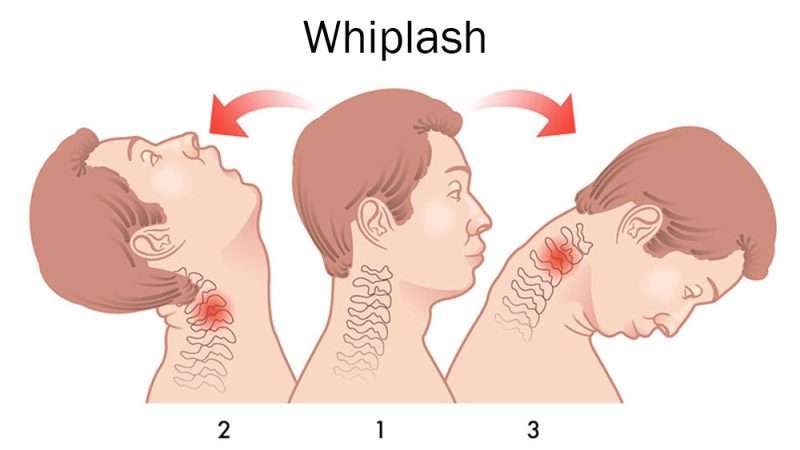
5 Effective Home Exercises for Managing Whiplash
What Is the Fastest and Easiest Cure for Whiplash? The internet is saturated with claims that Whiplash Associated Disorders (WAD) can be “cured” with a handful of simple neck exercises. You’ve probably seen advice insisting that stretches, chin tucks, or resistance-band routines will fix your symptoms. Unfortunately, much of this information is overly simplified—or completely unscientific. Understanding Whiplash Whiplash refers to a sudden forceful movement of the head and neck—often from car accidents, sports injuries, or diving incidents—that can strain or injure various tissues in the cervical spine. Whiplash Associated Disorder (WAD) describes the cluster of symptoms that follow these injuries. There is no universal cure for whiplash because the mechanics behind each injury differ significantly. The direction of the impact, the person’s posture at the moment of collision, whether they braced, the involvement of airbags, head impact, twisting forces, and whether they were the driver or passenger all influence how different spinal tissues are affected. A single moment of impact can create vastly different injury patterns from one person to the next. Time since injury is also critical—early, mid-stage, and late presentations require different management strategies. How WAD Is Classified WAD is grouped into four grades: Grade 0: No neck symptoms and no physical signs Grade I: Neck complaints but no physical signs Grade II: Neck pain with musculoskeletal signs Grade III: Neck pain with neurological symptoms Grade IV: Fractures or dislocations Because many tissues may be injured simultaneously, and because each accident produces a unique mechanism of injury, symptoms—and their severity—can vary dramatically. Why One-Size-Fits-All Treatment Fails Many individuals with WAD experience symptoms that go far beyond the cervical spine, which is why generalized exercise programs found online are rarely sufficient. A forceful impact can involve joints, ligaments, muscles, nerves, discs, and even the thoracic and lumbar spine. Two people in the same accident may have completely different presentations. Given this complexity, proper evaluation by a trained physical therapist or physician is essential. Inadequate or inappropriate treatment can lead to persistent neck pain, headaches, and long-term complications. What Effective Treatment Should Include A successful rehabilitation plan is customized—not generic—and may involve: Hands-on manual therapy Posture and body-awareness training Proprioceptive and coordination exercises Manual traction Soft-tissue and myofascial techniques Anti-inflammatory modalities Gradual, targeted strengthening based on the injury pattern This comprehensive approach supports tissue healing, reduces pain, and lowers the risk of chronic issues. In Summary Despite what online “quick fixes” might promise, whiplash is a complex injury with no simple cure. Each case requires an individualized assessment and a tailored treatment plan. Seeking evaluation from a qualified physical therapist or physician is the safest and most effective way to recover and minimize long-term complications. If you’d like, I can also shorten this into a more concise version, make it more conversational, or adjust the tone for marketing or clinical audiences.

Concussion Care: Symptoms, Signs and Treatment at Advance Physical Therapy Houston
A concussion is one of the most common yet potentially serious types of brain injury. It occurs when a blow or jolt to the head causes the brain to move rapidly inside the skull. While concussions are often associated with sports, they can result from everyday accidents, falls, and motor vehicle collisions. This guide explains what a concussion is, its symptoms and causes, and the best options for concussion management in Houston, including specialized care at Advance Physical Therapy. What Is a Concussion? A concussion—also known as a mild traumatic brain injury (mTBI)—temporarily disrupts brain function. The sudden movement of the brain inside the skull can create chemical imbalances and, in some cases, damage brain cells. Although concussions are considered “mild,” they must be taken seriously. Proper diagnosis and treatment are crucial to prevent long-term complications, especially for patients who have experienced multiple concussions. Common Causes of Concussions Concussions are caused by direct or indirect force to the head or body. Typical scenarios include: Sports Injuries Contact sports such as football, boxing, soccer, and hockey carry a high risk of concussions. Non-contact sports like gymnastics or cycling can also cause head injuries. Falls One of the most frequent causes—especially in children and older adults. Motor Vehicle Accidents The rapid acceleration and deceleration during a collision can cause the brain to forcefully move inside the skull. Physical Assaults Any aggressive impact to the head may result in a concussion. Workplace or Industrial Accidents Construction, manufacturing, and other physically demanding jobs carry increased risk. Concussion Symptoms Concussion symptoms may appear immediately or develop within hours or days. They vary in intensity and may involve physical, cognitive, emotional, and sleep-related changes. Physical Symptoms Headache or head pressure Dizziness or balance problems Nausea or vomiting Sensitivity to light or noise Blurred or double vision Fatigue or drowsiness Cognitive Symptoms Difficulty concentrating Memory issues Feeling mentally “foggy” or slowed Emotional Symptoms Irritability Anxiety or nervousness Mood swings or sadness Sleep Disturbances Trouble falling asleep Sleeping more or less than usual Signs of a Concussion (Observed by Others) Unlike symptoms, which patients report, signs are behavioral changes that others may notice: Appearing dazed or confused Slurred speech Clumsy movements Brief loss of consciousness Difficulty responding to questions Sudden irritability or unusual behavior If any of these signs appear after a head injury, immediate medical evaluation is recommended. How Concussions Are Diagnosed At Advance Physical Therapy, concussion diagnosis involves: Medical History Review Understanding the cause of injury, current symptoms, and past concussions. Neurological Examination Evaluating balance, coordination, reflexes, vision, and hearing. Cognitive Testing Assessing memory, concentration, and processing speed. Imaging (CT/MRI) Not always required, but used to rule out more serious injuries like bleeding or swelling. Concussion Treatment: Steps to Recovery Timely and appropriate concussion treatment helps ensure full recovery and reduces complications. Immediate Rest Avoid physical activity and sports Limit screen time Rest in a quiet, dim environment Medical Management Acetaminophen for headaches (avoid NSAIDs initially) Medications for dizziness, nausea, or sleep issues if needed Cognitive Rest Minimize tasks requiring intense focus—schoolwork, work demands, digital screens—until symptoms improve. Gradual Return to Activity Under professional guidance: Start with light exercise Progress to non-contact activities Resume full activity only when fully symptom-free Rehabilitation If symptoms persist, specialized neuro-rehabilitation can help restore cognitive and physical function. Advance Physical Therapy offers individualized Concussion Treatment Houston programs for prolonged or complex cases. Possible Complications of a Concussion Post-Concussion Syndrome Symptoms such as headaches and dizziness last weeks or months. Second Impact Syndrome A second head injury during recovery can cause dangerous swelling. Chronic Traumatic Encephalopathy (CTE) Repeated concussions over time may lead to long-term cognitive and mood changes. Preventing Concussions Wear protective gear: Helmets for sports, cycling, skating Create safe environments: Remove tripping hazards, ensure good lighting Follow safety rules: Especially in sports and workplaces Educate others: Awareness is crucial for early recognition and prevention Why Choose Advance Physical Therapy for Concussion Care? Advance Physical Therapy provides expert, personalized care for all types of traumatic brain injuries. Our team uses evidence-based diagnostic tools, tailored treatment plans, and specialized neuro-rehabilitation to promote a safe, full recovery. Conclusion A concussion may seem minor at first, but proper evaluation and treatment are essential to protect long-term brain health. Whether caused by sports, a fall, or a motor vehicle accident, early intervention makes a significant difference. Advance Physical Therapy offers comprehensive, patient-centered MVA and concussion rehabilitation services in Houston, helping patients return to daily life safely and confidently. FAQs Q: What should I do if I think I have a concussion? Seek medical evaluation immediately to ensure proper diagnosis and treatment. Q: How is a concussion diagnosed? Through a medical exam, neurological and cognitive testing, and imaging when necessary. Q: How long does concussion recovery take? Most people recover in a few weeks, but some experience lingering symptoms for months. Q: Can concussions cause long-term issues? Yes—repeated or untreated concussions can lead to chronic problems, though most people recover fully with proper care.