How Pulmonary Rehabilitation Enhances Senior Respiratory Health?
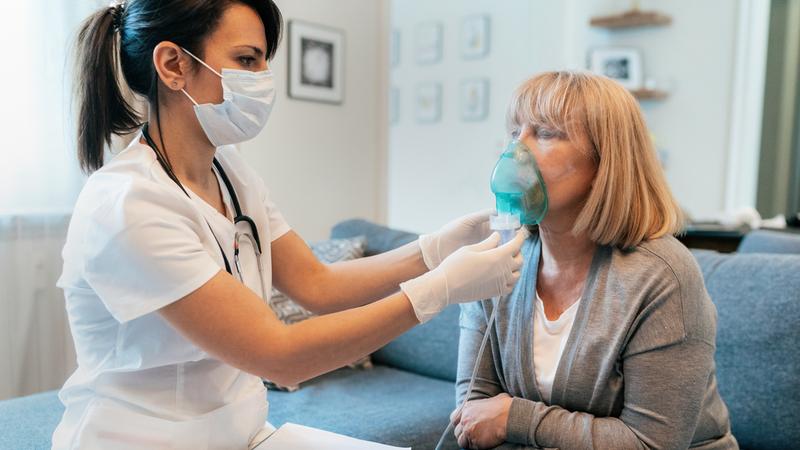
The golden years of life should be marked by vitality and well-being, yet respiratory challenges can cast a shadow over this chapter. Seniors facing conditions like Chronic Obstructive Pulmonary Disease (COPD), pulmonary fibrosis, or post-surgery recovery often find themselves grappling with reduced lung function and its subsequent impact on daily life. Enter pulmonary therapy—a transformative and holistic approach aimed at enhancing senior respiratory health. In this blog, we will delve into the multifaceted dimensions of pulmonary therapy at Advance Physical Therapy, exploring how it goes beyond mere exercises to breathe life and vibrancy into the senior years. Understanding Pulmonary Rehabilitation Houston Pulmonary Rehabilitation Services for Older Adults is a specialized program that is meticulously crafted to cater to individuals grappling with chronic respiratory conditions, ranging from Chronic Obstructive Pulmonary Disease (COPD) to asthma and interstitial lung disease. However, its significance extends beyond those with specific diagnoses, proving highly beneficial for seniors even without overt respiratory issues. Components of Pulmonary Rehabilitation: Pulmonary Treatment Houston Tailored Exercise Programs: Central to pulmonary rehabilitation is a carefully curated exercise regimen. Unlike generic fitness routines, these programs are meticulously designed to cater to the unique needs and capabilities of each senior participant. Incorporating a variety of exercises, ranging from cardiovascular workouts to strength training, these programs aim to gradually improve lung capacity, boost endurance, and enhance overall physical fitness. The emphasis is not on pushing seniors to their limits but on creating a gradual and safe progression that aligns with individual capabilities. These tailored exercises contribute not only to improved respiratory function but also to increased muscle strength and cardiovascular fitness. Seniors engaging in these programs find themselves more equipped to navigate daily activities with ease, experiencing reduced fatigue and an enhanced sense of well-being. The tailored exercise component of pulmonary rehabilitation is a testament to our program’s commitment to promoting optimal health and vitality in the elderly population. Education on Respiratory Conditions: Knowledge is empowerment, and pulmonary rehabilitation places a strong emphasis on educating seniors about their respiratory conditions. This crucial aspect goes beyond physical exercises, providing seniors with valuable insights into the nature of their ailments and equipping them with the knowledge to actively manage their respiratory conditions. Participants in pulmonary rehabilitation gain knowledge about breathing techniques and strategies to cope with the challenges posed by chronic respiratory diseases. By fostering awareness and understanding, seniors become proactive participants in their health journey, making informed decisions that contribute to improved respiratory function and overall well-being. Education that we offer on respiratory conditions within the context of pulmonary rehabilitation empowers seniors, enabling them to take charge of their health and navigate daily life with a heightened sense of control and confidence. Nutritional Guidance: It plays a pivotal role in the holistic approach of pulmonary rehabilitation, recognising the intimate connection between diet and respiratory health. Seniors engaged in pulmonary rehabilitation benefit from our tailored nutritional guidance that goes beyond the conventional dietary recommendations. Our program emphasises the importance of a well-balanced diet rich in essential nutrients, vitamins, and minerals to support lung function and overall well-being. Seniors receive personalised advice on dietary choices that can positively impact their respiratory health. A nutritionally optimized diet not only aids in managing weight but also contributes to enhanced immune function, crucial for seniors with respiratory conditions. By addressing the nutritional aspect within the framework of pulmonary rehabilitation, seniors are empowered to make dietary choices that complement their respiratory health goals, fostering a comprehensive and proactive approach to overall well-being. Psychosocial Support: It forms a crucial pillar of pulmonary rehabilitation, recognising that respiratory health extends beyond physical well-being to include mental and emotional aspects. Seniors participating in pulmonary rehabilitation benefit from a supportive environment that addresses the psychosocial challenges often associated with chronic respiratory conditions. This includes access to support groups, counselling services, and coping mechanisms tailored to their unique needs. The emotional well-being of seniors is nurtured, promoting a positive outlook and resilience in the face of challenges. Psychosocial support not only acknowledges the emotional impact of respiratory conditions but actively works towards creating an atmosphere where seniors feel understood, valued, and connected. By addressing the psychosocial dimensions within the framework of pulmonary rehabilitation, seniors experience a holistic approach to health that recognizes the interconnectedness of mind and body, contributing to an overall enhanced quality of life. Benefits of Pulmonary Rehabilitation for Seniors Improved Respiratory Function: The primary goal of pulmonary rehabilitation is to enhance respiratory function. Through our carefully curated blend of tailored exercises, breathing techniques, and comprehensive education, seniors engaging in pulmonary rehabilitation witness a significant boost in their lung capacity, efficiency, and overall respiratory function. Our program’s focus on strengthening respiratory muscles contributes to reduced breathlessness, increased oxygenation, and a newfound ability to engage in daily activities with greater ease. Seniors often report enhanced energy levels and decreased fatigue, illustrating the profound impact of improved respiratory function on their overall vitality. The success of pulmonary rehabilitation in this aspect not only empowers seniors in managing their respiratory conditions but also cultivates a renewed sense of confidence and control over their health journey, allowing them to breathe life into their golden years with vigour and resilience. Enhanced Physical Fitness: It is a transformative outcome of pulmonary rehabilitation, contributing to a holistic improvement in senior respiratory health. Our tailored exercise programs within pulmonary rehabilitation are designed not only to enhance lung function but also to boost overall physical fitness. Seniors engaging in these programs experience improvements in cardiovascular fitness, muscle strength, and endurance. As a result, they find themselves more capable of navigating daily activities with greater ease and reduced fatigue. Our focus on personalised exercise regimens ensures that seniors progress at a pace aligned with their unique capabilities, promoting sustainable fitness gains. This holistic approach to physical well-being not only fosters respiratory health but also empowers seniors to maintain an active and independent lifestyle, embodying the essence of healthy ageing. The enhanced physical fitness achieved through pulmonary rehabilitation becomes a key contributor to the overall well-being
Iliotibial Band Syndrome (ITBS): A Common Overuse Injury
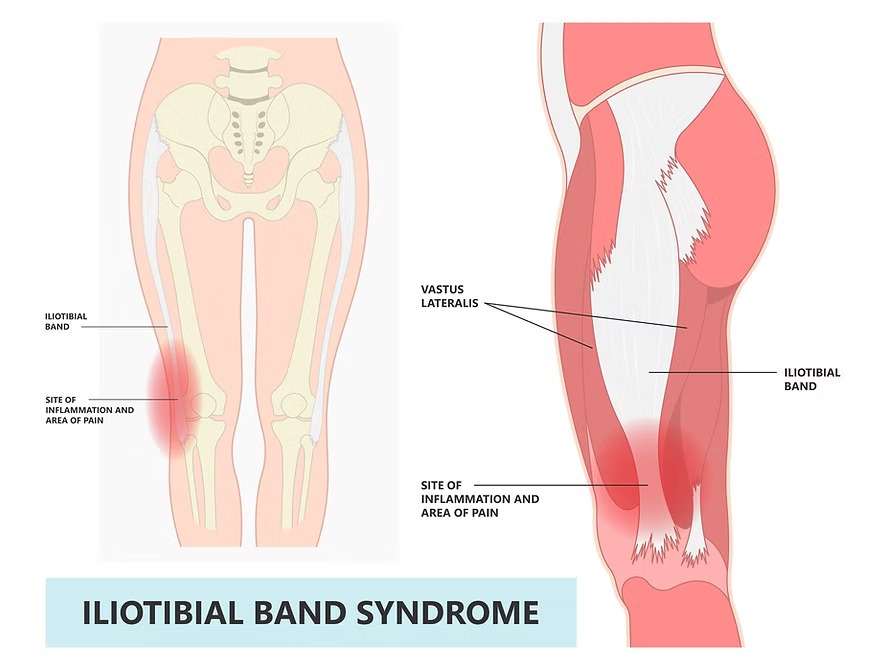
ITBS, commonly referred to as “runner’s knee,” is a prevalent overuse injury affecting athletes, particularly runners and cyclists (Taunton et al., 2002). This condition accounts for a significant proportion of lateral knee pain and is typically associated with repetitive motion activities. Etiology and Pathophysiology ITBS is primarily caused by repetitive knee flexion and extension, leading to stress on the iliotibial band (ITB) (Fairclough et al., 2007). The friction theory suggests that repetitive gliding of the ITB over the lateral femoral epicondyle causes inflammation and pain (Messier et al., 2018). Risk Factors Intrinsic factors contributing to ITBS include anatomical variations, such as genu varum, excessive internal tibial torsion, and weak hip abductors (Taunton et al., 2002). Extrinsic factors involve sudden changes in training intensity, running on uneven or downhill surfaces, and improper footwear (Messier et al., 2018). Epidemiology ITBS is one of the most common causes of lateral knee pain in runners, accounting for 1.6% to 12% of injuries in this population (Taunton et al., 2002). Among cyclists, ITBS comprises 15% to 24% of overuse injuries (Willick et al., 2018). Clinical Presentation and Diagnosis Patients with ITBS typically present with lateral knee pain, worsening with activities involving repetitive knee flexion and extension (Fairclough et al., 2007). Physical examination and imaging studies, such as MRI, may be used to confirm the diagnosis. Treatment Options Conservative management is the primary approach, focusing on reducing inflammation, relieving pain, and correcting biomechanical imbalances (Messier et al., 2018). Treatment options include: – Activity modification – Physical therapy – Nonsteroidal anti-inflammatory drugs (NSAIDs) – Corticosteroid injections Surgical interventions, such as ITB release and bursectomy, may be considered in refractory cases. References: Fairclough, J., Hayashi, K., & Lyons, K. (2007). Iliotibial tract friction syndrome. Journal of Orthopaedic and Sports Physical Therapy, 37(10), 636-644. Messier, S. P., Edwards, D. G., & Martin, D. F. (2018). Etiology and prevention of Iliotibial band friction syndrome. Journal of Athletic Training, 53(5), 456-464. Taunton, J. E., Ryan, M. B., & Clement, D. B. (2002). A retrospective case-control analysis of 2002 running injuries. British Journal of Sports Medicine, 36(2), 95-101. Willick, S. E., & Hansen, P. A. (2018). Cycling injuries. Journal of Orthopaedic and Sports Physical Therapy, 48(5), 432-441.

How Physical and Occupational Therapy Differ
Have you ever wondered about the different types of therapy available and how they can help you or a loved one? Understanding the differences between physical therapy and occupational therapy in College Station is crucial because the right type of therapy can significantly impact your recovery and overall quality of life. Choosing the correct therapy tailored to your specific needs can mean the difference between a smooth, successful recovery and prolonged challenges. Each therapy type has unique benefits designed to address various aspects of physical, mental, and occupational health. Whether you are recovering from an injury, adjusting to a disability, or looking to improve your daily living skills, knowing which therapy is right for you is essential. What is Physical Therapy? Physical therapy (PT) is a specialized branch of rehabilitative health that focuses on enhancing and restoring movement and functional ability. If you’ve ever suffered from an injury or are experiencing mobility issues, Physical Therapy is designed to help you regain your physical abilities. Key Features Rehabilitation after Injuries: Physical therapy plays a crucial role in the recovery process following various injuries, such as sports injuries, strokes, and spinal injuries. It’s especially beneficial for individuals who have undergone amputations. The primary goal is to help you return to your pre-injury level of physical function. Emphasis on Exercises and Treatments: A key component of physical therapy is a personalized exercise program. These exercises are tailored to your specific needs and may include stretches and hands-on treatments. This structured approach helps in reducing pain like Neck Pain, Back Pain, Shoulder Pain, improving mobility, and preventing further injuries. Goals of Physical Therapy The main objectives of Physical Therapy are to: Reduce Pain: Alleviate discomfort through targeted exercises and treatments. Restore Mobility: Improve your ability to move and perform daily activities. Prevent Further Injuries: Strengthen your body to avoid future issues. Common Conditions Treated: Physical therapy is versatile and can treat a wide range of conditions, including: Stroke: Rehabilitation to regain lost motor skills and improve balance. Sports Injuries: Recovery from strains, sprains, and other sports-related injuries. Spinal Injuries: Assistance with mobility and pain management post-spinal injury. Amputations: Helping individuals adapt to prosthetics and regain functional mobility. Role of Physical Therapists Personalized Care Plans: Physical therapists develop customized care plans based on your specific needs and progress. This individualized approach ensures that you receive the most effective treatment. Progression of Exercises: As you advance in your therapy, your exercises will be adjusted to increase in intensity. This gradual progression helps build strength and improve function over time. Importance of Patient Education and Motivation: A significant aspect of physical therapy is educating patients about their conditions and how to manage them. Physical therapists also serve as motivators, encouraging you to stay committed to your treatment plan and achieve your recovery goals. What is Occupational Therapy? Occupational therapy (OT) is dedicated to helping individuals perform daily activities that are meaningful to them. Whether it’s dressing, cooking, or engaging in hobbies, Occupational therapy focuses on enabling people to lead more independent and fulfilling lives. Key Features Adaptation of Activities, Environment, and Skills: Occupational therapists work on modifying activities and environments to fit the needs of the individual. This might mean changing how a task is performed, altering the physical space, or developing new skills to improve daily functioning. Goals of Occupational Therapy: The primary objectives of OT include: Improving Fine Motor Skills: Enhancing small muscle movements essential for tasks like writing, buttoning clothes, or using utensils. Enhancing Daily Living Skills: Assisting with everyday activities such as bathing, eating, and dressing. Mental Health Support: Providing strategies to cope with stress, anxiety, and other mental health challenges. Common Conditions Treated: Occupational therapy can be beneficial for a variety of conditions, including: Intellectual or Developmental Delays: Helping children and adults develop the skills needed for daily life. Mental Health Challenges: Offering support for individuals dealing with mental health issues, helping them manage daily activities. Post-Injury Recovery: Assisting patients in regaining independence after an injury or surgery. Role of Occupational Therapists Holistic Approach: Occupational therapists take a comprehensive approach that considers physical, emotional, and environmental factors. They focus on the whole person, not just the injury or condition, to develop a therapy plan that supports overall well-being. Focus on Meaningful Activities: A key element of OT is its emphasis on activities that are meaningful to the patient. Whether it’s returning to work, enjoying hobbies, or managing household tasks, therapists tailor their strategies to help individuals achieve their personal goals. Patient Independence: Ultimately, the goal of occupational therapy is to foster independence. Therapists provide the tools and strategies needed to help individuals manage their daily lives effectively, boosting their confidence and quality of life. Physical Therapy vs. Occupational Therapy When it comes to physical therapy (PT) and occupational therapy (OT), the main difference lies in their focus areas. Physical therapy primarily targets movement and mobility. PTs work on improving gross motor skills, which involve large body movements, to help patients recover from injuries, reduce pain, and restore physical function. They use exercises, stretches, and hands-on treatments to achieve these goals. On the other hand, occupational therapy focuses on daily activities and fine motor skills. OTs help individuals adapt to their environment and modify tasks to enhance their ability to perform everyday activities. This includes improving fine motor skills needed for tasks like dressing, eating, and using technology. OTs also address cognitive and mental health issues, offering a more holistic approach to rehabilitation. Choosing the Right Therapy for You Assessment of Needs When deciding which type of therapy is right for you, start by assessing your specific needs and conditions. Are you recovering from a physical injury and need to regain mobility? Or perhaps you’re struggling with daily activities and require assistance in adapting to your environment? Maybe you’re looking to return to work after a significant injury or disability. Understanding your primary challenges is the first step in choosing the right therapy. Consulting Professionals Consulting with healthcare professionals is crucial in
Back in Action: Treating And Preventing Back Pain By Physiotherapy
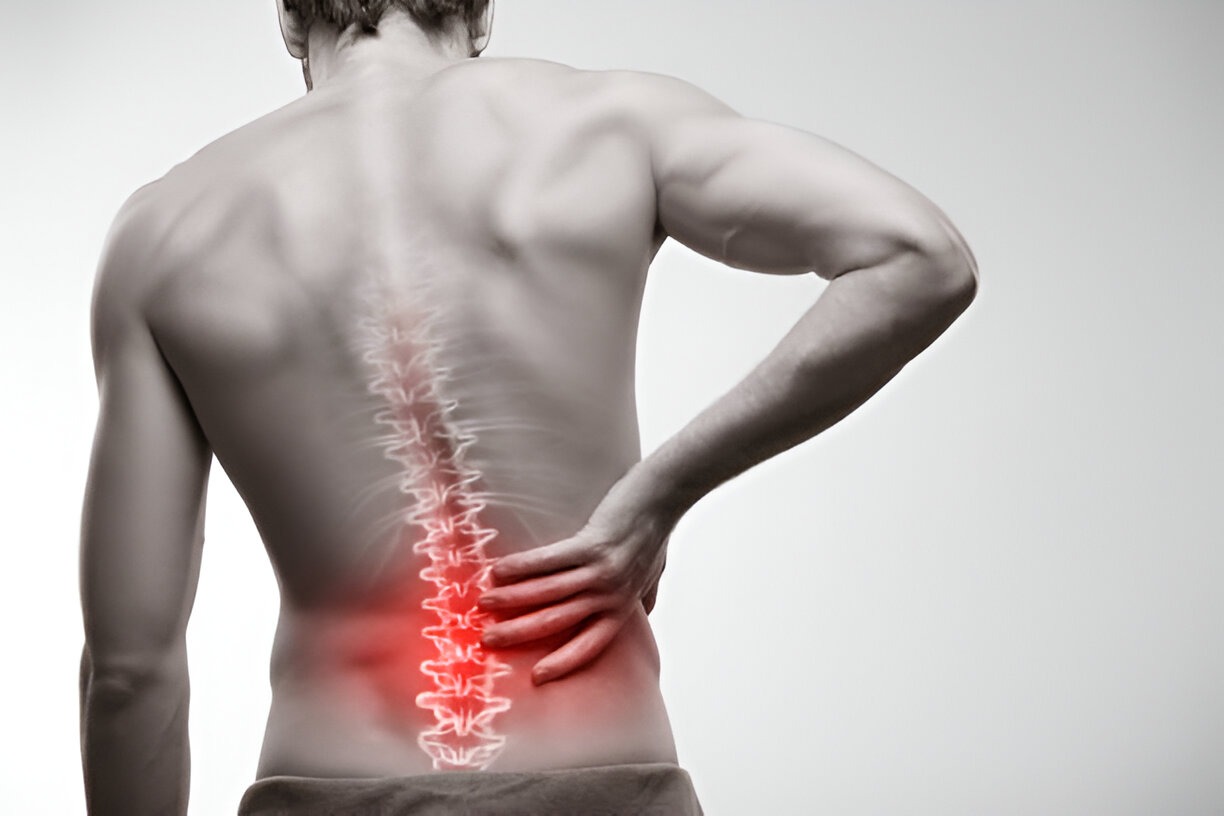
Houston Back Pain is a common ailment that affects people of all ages and backgrounds. Whether it’s due to a sedentary lifestyle, poor posture, or an injury, back pain can significantly impact an individual’s quality of life. While various treatment options are available, physiotherapy has emerged as an effective approach for treating and preventing Back Pain Relief in Houston. In this blog, Advance Physical Therapy will delve into the world of physiotherapy and explore how it can help individuals get back in action and alleviate their back pain. Before we delve into the role of physiotherapy in Back Pain Treatment Houston, it’s essential to understand the various factors that contribute to it. Low Back Pain Therapy Houston can be caused by muscle strains, herniated discs, spinal stenosis, poor posture, or even stress. Moreover, factors like obesity, lack of exercise, and sedentary lifestyles can increase the risk of developing back pain. Identifying the root cause of the pain is crucial for effective treatment and prevention. Role of Advance Physical Therapy to Prevent Back Pain Houston Physiotherapy is a healthcare profession that focuses on using physical techniques to treat injuries, improve mobility, and relieve pain. When it comes to back pain, physiotherapists play a vital role in helping patients regain strength, flexibility, and functionality. They develop personalized treatment plans based on the individual’s specific needs and goals. These plans often include a combination of exercises, manual therapy, education, and lifestyle modifications. Exercise Therapy One of the key components of physiotherapy for back pain is exercise therapy. Physiotherapists prescribe specific exercises to strengthen the muscles surrounding the spine, improve flexibility, and correct postural imbalances. These exercises may include stretching, core strengthening exercises, aerobic conditioning, and resistance training. Regularly performing these exercises helps to alleviate pain, prevent further injury, and promote overall spinal health. Manual Therapy Physiotherapists also employ manual therapy techniques to treat back pain. These techniques include joint mobilization, soft tissue manipulation, and spinal manipulation. Manual therapy helps reduce pain, restore joint mobility, and improve tissue healing. By targeting specific areas of dysfunction, physiotherapists can address underlying musculoskeletal imbalances and provide relief to individuals suffering from back pain. Education and Lifestyle Modifications Beyond exercises and manual therapy, physiotherapists educate patients on proper body mechanics, ergonomics, and posture. They provide guidance on how to prevent future episodes of back pain by making necessary modifications to daily activities and work environments. Educating individuals about their condition empowers them to take an active role in their recovery and helps them make informed choices to prevent future back problems. Preventing Back Pain Apart from treating back pain, Back Pain Specialist Houston also plays a crucial role in its prevention. Physiotherapists assess an individual’s movement patterns, posture, and lifestyle factors to identify potential risk factors for back pain. Through exercise programs, education, and ergonomic advice, physiotherapy helps individuals develop healthy habits and maintain optimal spinal health. By addressing the root causes and making necessary lifestyle changes, individuals can significantly reduce their risk of experiencing back pain. Physiotherapy is a powerful tool in the treatment and prevention of back pain. By combining exercises, manual therapy, education, and lifestyle modifications, physiotherapists empower individuals to take control of their back health and get back in action.
Step-by-Step Healing: Vestibular Rehab in Houston
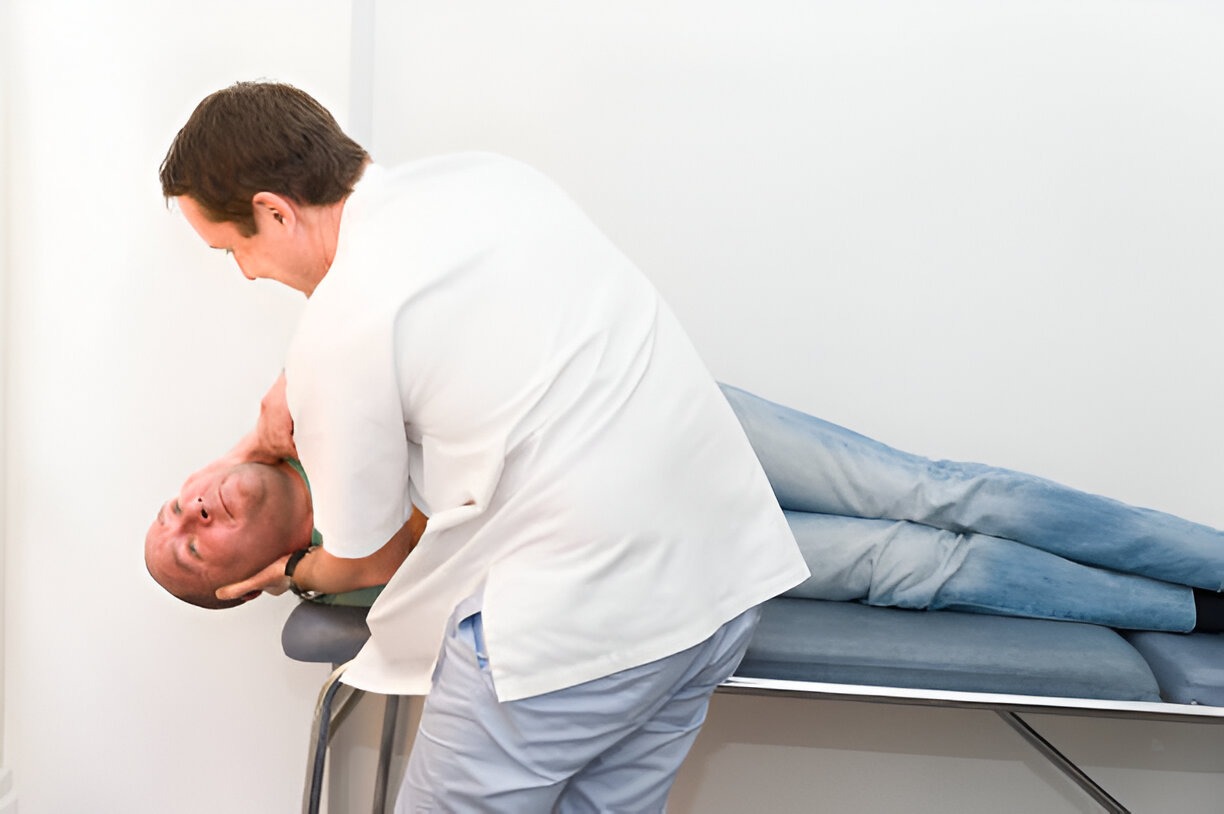
The vestibular system is a complex network of structures in the inner ear and brain responsible for maintaining balance and spatial orientation. When this system malfunctions, it can lead to a range of debilitating symptoms, such as dizziness, vertigo, and loss of balance. Vestibular disorders can significantly impact a person’s quality of life, making even simple tasks a challenge. However, hope and relief are within reach through the practice of Vestibular Rehabilitation in Houston. In this blog, we will explore the steps involved in this healing process and the transformative impact it can have on individuals suffering from Vestibular Rehabilitation Treatment in Houston. Before delving into the details of vestibular rehabilitation in Houston, it’s essential to grasp the nature of vestibular disorders. Vestibular Rehabilitation Therapy Houston: What are Vestibular Disorders? These conditions can result from various factors, including inner ear infections, head injuries or simply the aging process. Common symptoms of vestibular disorders include: Vertigo: A sensation of spinning or whirling, making it feel as though you or your surroundings are moving when they are not. Dizziness: A feeling of unsteadiness or lightheadedness, often accompanied by nausea. Balance Problems: Difficulty maintaining balance, leading to falls or stumbling. Nystagmus: Involuntary, rapid eye movements that can be triggered by changes in head position. Living with these symptoms can be challenging and significantly impact an individual’s daily life, making it essential to seek help and treatment. The Seven Steps of Vestibular Disorder Recovery : Houston Vestibular Rehab The seven essential stages of vestibular disorder recovery for individuals with vestibular disorders to reclaim their balance and well-being include: Step 1: Diagnosis and Assessment at Advance Physical Therapy The first step in vestibular rehabilitation in Houston is diagnosis and assessment. Proper evaluation is crucial to determine the specific nature of the vestibular disorder and its underlying causes. Advance Physical Therapy boasts a team of vestibular disorder specialists in Houston and healthcare professionals who are trained to diagnose vestibular issues accurately. Step 2: Personalized Treatment Plan with Advance Physical Therapy Once the diagnosis is complete, the next step at Advance Physical Therapy is to create a personalized treatment plan tailored to the individual’s specific needs and condition. Vestibular rehabilitation is not a one-size-fits-all approach, as each patient may present with unique challenges and symptoms. The treatment plan at Advance Physical Therapy may include a combination of vestibular exercises in Houston, dietary changes, and lifestyle modifications. For instance, if the vestibular disorder is related to Meniere’s disease, dietary changes to reduce sodium intake may be recommended. If the disorder is linked to head injuries or benign paroxysmal positional vertigo (BPPV), specific exercises and maneuvers may be prescribed to address the issue. Step 3: Physical Therapy and Exercises at Advance Physical Therapy Physical therapy, exercises, and dizziness treatment Houston are at the core of vestibular rehabilitation at Advance Physical Therapy. These exercises are designed to improve balance, reduce dizziness, and enhance overall function. Patients work closely with dedicated physical therapists at Advance Physical Therapy who guide them through a series of exercises that target specific vestibular and balance-related issues. Common exercises in Vestibular Rehabilitation Therapy Houston at Advance Physical Therapy include: Gaze Stabilization Exercises: These exercises help improve eye control and reduce nystagmus by focusing on a stationary object while moving the head. Balance Training: Activities that challenge balance, such as standing on one foot or walking on uneven surfaces, help improve stability. Canalith Repositioning Maneuvers: Used to treat BPPV, these maneuvers involve specific head movements to reposition displaced inner ear crystals. Habituation Exercises: These exercises involve repeating movements that provoke dizziness to desensitize the vestibular system over time. Step 4: Progress Monitoring at Advance Physical Therapy Houston vestibular therapy is a gradual process, and progress may be slow but steady. Patients at Advance Physical Therapy typically attend regular sessions with their physical therapist, who monitors their progress and adjusts the treatment plan as needed. This step is essential to ensure that the exercises are effective and to make any necessary modifications based on the patient’s response. Step 5: Lifestyle Modifications at Advance Physical Therapy In addition to exercises and therapy, lifestyle modifications are often necessary to support vestibular neuro rehabilitation services at Advance Physical Therapy. These may include dietary changes, managing stress, getting adequate rest, and making the necessary adjustments to one’s daily routine to minimize triggers for dizziness and vertigo. Patients are educated about these modifications and are encouraged to incorporate them into their lives to enhance their recovery. Step 6: Home Exercises and Self-Care at Advance Physical Therapy Vestibular rehabilitation doesn’t end when the therapy session concludes at Advance Physical Therapy. Patients are typically provided with a set of home exercises and self-care routines to continue their progress independently. These vestibular rehabilitation exercises in Houston are essential for maintaining the gains made during therapy and promoting long-term recovery. Step 7: Long-Term Management at Advance Physical Therapy Vestibular disorders are often chronic conditions, and while neuro rehabilitation in Houston can significantly improve symptoms, ongoing management may be required. Patients at Advance Physical Therapy and elsewhere are encouraged to stay in touch with their healthcare providers and physical therapists for periodic check-ups and adjustments to their treatment plans. Conclusion Vestibular Rehab in Houston offers hope and healing to individuals struggling with the debilitating effects of vestibular disorders. Through a personalized approach that includes diagnosis, exercises, lifestyle modifications, and ongoing support, patients can regain their balance, reduce dizziness, and improve their overall quality of life. If you or a loved one is living with a vestibular disorder, don’t hesitate to seek help and explore the possibilities of vestibular rehabilitation at Advance Physical Therapy. It’s a step-by-step journey toward a brighter and more stable future.
Concussion – Symptoms, Signs and Treatment: Advance Physical Therapy in Houston
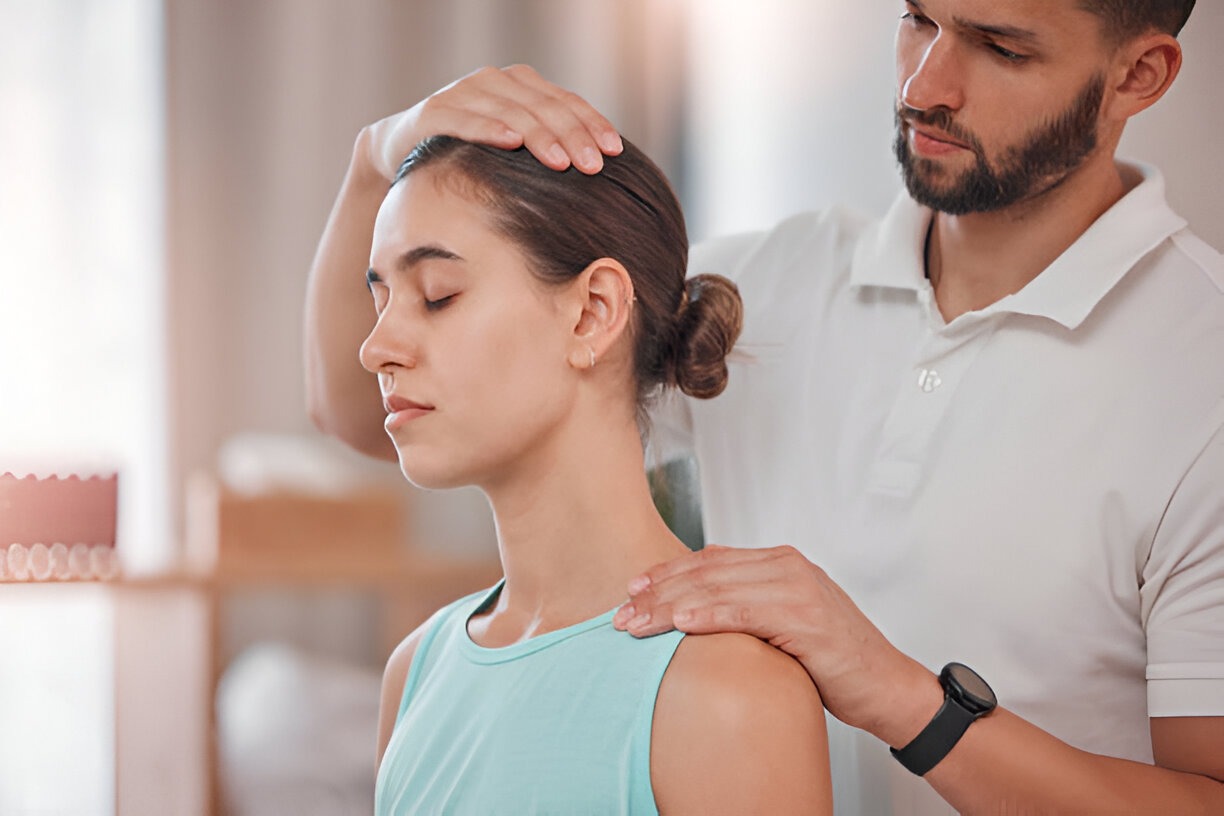
A concussion is one of the most common yet potentially serious forms of brain injury, often caused by a blow or jolt to the head. While often associated with sports injuries, it can occur in daily life from accidents, falls, or other trauma. This blog will cover everything you need to know about what a concussion is, its symptoms, causes, and the best approaches to Concussion Management in Houston, tailored to ensure proper care and recovery. Concussion Treatment Houston: What is a Concussion? A concussion, also known as a cerebral concussion, is a mild traumatic brain injury (mTBI) that temporarily affects brain function. It occurs when the brain moves rapidly within the skull due to an impact, leading to chemical changes in the brain and sometimes damaging brain cells. While Concussion Treatment Houston are classified as mild, their effects should not be underestimated. Proper diagnosis and treatment are essential to prevent long-term complications, especially if someone experiences recurrent concussions. Concussion Causes: What Leads to a Concussion? A concussion injury is typically caused by a direct or indirect force to the head or upper body. Common scenarios include: Sports-Related Injuries Contact sports like football, boxing, hockey, and rugby frequently lead to concussions. Non-contact sports, such as cycling or gymnastics, can also result in head injuries. Falls Falls are one of the leading concussion causes, especially among children and the elderly. Slipping, tripping, or falling from heights can lead to significant head trauma. Motor Vehicle Accidents Collisions or crashes often result in a cerebral concussion, as the sudden jolt can force the brain to move inside the skull. Physical Assault A blow to the head during physical altercations can cause a concussion. Workplace or Industrial Accidents Jobs involving physical risks, such as construction or manufacturing, can lead to head injuries. Concussion Symptoms: What to Watch For Concussion symptoms may not appear immediately and can sometimes take hours or days to manifest. The symptoms vary in severity depending on the individual and the extent of the injury. Physical Symptoms Headache or pressure in the head Dizziness or balance issues Nausea or vomiting Sensitivity to light and noise Fatigue or drowsiness Blurred or double vision Cognitive Symptoms Confusion or difficulty concentrating Memory problems, especially regarding the event that caused the injury Feeling “foggy” or mentally slowed down Emotional Symptoms Irritability Anxiety or nervousness Depression or mood swings Sleep-Related Symptoms Difficulty falling asleep Sleeping more or less than usual Houston Therapy Service: Signs of a Concussion Unlike symptoms, which the injured person reports, signs of a concussion are observable by others. Common signs include: Disorientation or appearing dazed Slurred speech Clumsy movements Loss of consciousness (even briefly) Behavioral changes, such as irritability or aggression Difficulty responding to questions or instructions If you notice these signs in someone after a head injury, seek medical evaluation immediately. Concussion Diagnosis Diagnosing a concussion injury involves a comprehensive evaluation by a healthcare professional. At Advance Physical Therapy, specialists use a combination of: Medical History and Symptoms Review The doctor will ask about the injury event, symptoms, and any prior history of concussions or brain injuries. Neurological Examination Tests to assess vision, hearing, balance, coordination, and reflexes help determine the extent of the injury. Cognitive Tests These evaluate memory, concentration, and problem-solving abilities to detect cognitive impairments caused by the concussion. Imaging Tests Although not always necessary, CT scans or MRIs may be used to rule out severe brain injuries, such as bleeding or swelling. Concussion Treatment: Steps to Recovery Proper concussion treatment is vital to ensure full recovery and prevent long-term complications. Treatment typically involves a combination of rest, medical care, and gradual reintroduction of activities. Immediate Care After a head injury, the first step is to rest and avoid activities that may exacerbate symptoms. This includes: Avoiding physical activities such as sports Limiting screen time to reduce eye strain Resting in a quiet, dimly lit environment Medical Management Pain Relief: Over-the-counter painkillers like acetaminophen may help alleviate headaches. Avoid ibuprofen or aspirin in the initial phase to reduce the risk of bleeding. Symptom-Specific Treatment: Medications may be prescribed for severe nausea, dizziness, or sleep disturbances. Cognitive Rest Reducing mental strain is essential. Avoid tasks requiring intense concentration, such as studying, working, or problem-solving, until symptoms subside. Gradual Return to Activities Once symptoms improve, activities can be reintroduced gradually: Light aerobic exercises like walking Non-contact sports after medical clearance Full return to normal activities only when symptom-free Rehabilitation In cases of prolonged symptoms or repeated Concussion Treatment Houston, rehabilitation programs may be necessary. At Advance Physical Therapy, comprehensive neuro-rehabilitation therapies help restore cognitive and physical functions. Potential Complications of a Concussion Although most people recover fully, untreated or repeated concussions can lead to complications, including: Post-Concussion Syndrome Symptoms such as headaches, dizziness, and cognitive impairments persist for weeks or months after the injury. Second Impact Syndrome Sustaining another head injury before fully recovering from a concussion can lead to rapid brain swelling, which can be fatal. Chronic Traumatic Encephalopathy (CTE) Repeated concussions over time can result in progressive brain degeneration, leading to memory loss, mood disorders, and cognitive decline. Prevention Tips: Reducing the Risk of a Concussion Preventing a concussion injury involves taking proactive measures, such as: Using Protective Gear Wear helmets during sports, cycling, or other high-risk activities. Safe Environments Ensure your home, workplace, or sports area is free of hazards that could lead to falls or collisions. Adhering to Rules Follow safety rules in sports to avoid unnecessary head impacts. Educating Others Awareness about the risks and proper handling of concussions is essential, especially in sports teams and schools. Why Choose Advance Physical Therapy for Concussion Care? At Advance Physical Therapy, our expert team provides comprehensive care for all forms of traumatic brain injuries, including cerebral concussions. From diagnosis to rehabilitation, our state-of-the-art facilities ensure you receive personalized, effective treatment. Our approach emphasizes early intervention and tailored recovery plans to minimize complications and promote long-term brain health. Motor Vehicle Accident in Houston A concussion may seem
5 Best Exercises To Treat Whiplash At Home
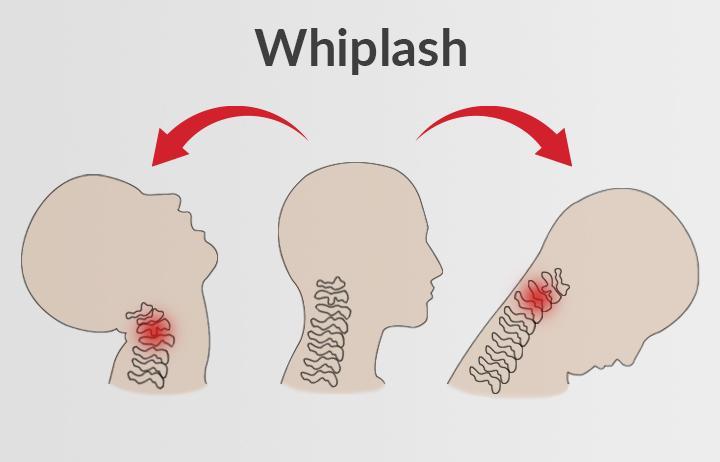
What is the fastest and easiest cure for whiplash ?The internet is rife with articles suggesting that Whiplash Associated Disorders (WAD) can be treated with a set of exercise routines. You may also find abundant unscientific literature on the internet stating that doing neck stretches, chin tucks, back twists, head rotations, or using bands will cure your whiplash. However, we mustn’t fall prey to such misleading information.What is Whiplash ?Whiplash is a force, strong enough to create stress and strain injuries to several different cervical spine tissues. Whiplash Associated Disorder (WAD) encompasses the collective symptoms that affect the head and neck after a Whiplash injury.Whiplash injuries, which result from car accidents, sports injuries, and diving accidents, do not have a one-size-fits-all remedy. The severity and nature of the injury can vary significantly, depending on the direction of the force applied, the position of the person, and the subsequent impact on the cervical spine tissues. No 5 exercises unfortunately exist that can cure this injury to your neck. Time elapsed since the injury is also a critical factor to consider (1).WAD is classified into four distinct grades based on the presence and nature of symptoms, physical signs, and neurological signs. Grade 0 refers to no neck complaints or physical signs, while Grade I and Grade II relate to neck complaints and musculoskeletal signs. Grade III and Grade IV are characterized by the presence of neurological signs and fractures or dislocations, respectively. Simply put different parts of your spine can be affected differently depending on the direction of the force that hits you. A collision happening from the rear end, a side impact, or a head-on collision will produce different mechanisms of injury. We must also take into consideration how your body reacted to that force, whether you braced yourself, your head hit the windshield, impact from the airbags, twisting of your spine, etc., and your position as a driver or rider. Your body will go through a tremendous impact in just a few seconds, which is why each patient will have an extremely different presentation and severity. Simply put different parts of your spine can be affected differently depending on the direction of the force that hits you. A collision happening from the rear end, a side impact, or a head-on collision will produce different mechanisms of injury. We must also take into consideration how your body reacted to that force, whether you braced yourself, your head hit the windshield, impact from the airbags, twisting of your spine, etc., and your position as a driver or rider. Your body will go through a tremendous impact in just a few seconds, which is why each patient will have an extremely different presentation and severity. Given the diversity of symptoms and their extent, it is essential to approach WAD with a customized treatment plan rather than a one-size-fits-all model It is important to note that the majority of patients with WAD exhibit symptoms beyond the cervical spine. As such, a detailed evaluation by a trained physical therapist or physician is highly recommended. Inappropriate treatment of WAD can result in chronic neck pain, headaches, and other long-term complications. Thus, a comprehensive treatment protocol should be followed, which includes a combination of rehabilitation treatments such as hands-on manual therapy, posture awareness, coordination, proprioceptive interventions, manual traction, anti-inflammatory modalities, and soft tissue techniques. In summary, while the internet may offer several quick-fix solutions to WAD, it is critical to recognize the complexity and diversity of the injury and approach it with a customized treatment plan. A thorough evaluation by a trained physical therapist or physician is recommended, and a comprehensive treatment protocol must be followed to ensure successful rehabilitation and minimize long-term complication. References: 1) Chrcanovic, Bruno, Larsson, Johan, Malmström, Eva-Maj, Westergren, Hans and Häggman-Henrikson, Birgitta. “Exercise therapy for whiplash-associated disorders: a systematic review and meta-analysis” Scandinavian Journal of Pain, vol. 22, no. 2, 2022, pp. 232-261. https://doi.org/10.1515/sjpain-2021-0064 “Advance Therapy blogs and clinical information are educational resources by Advance Therapy clinical employees. The content provided here represents the opinion of the individual author based on their expertise and experience. The content provided in this blog is for informational purposes only, does not constitute medical advice, and should not be relied on for making personal health decisions.”
Why Isn’t MRI Always the Solution for Diagnosing Whiplash Pain?
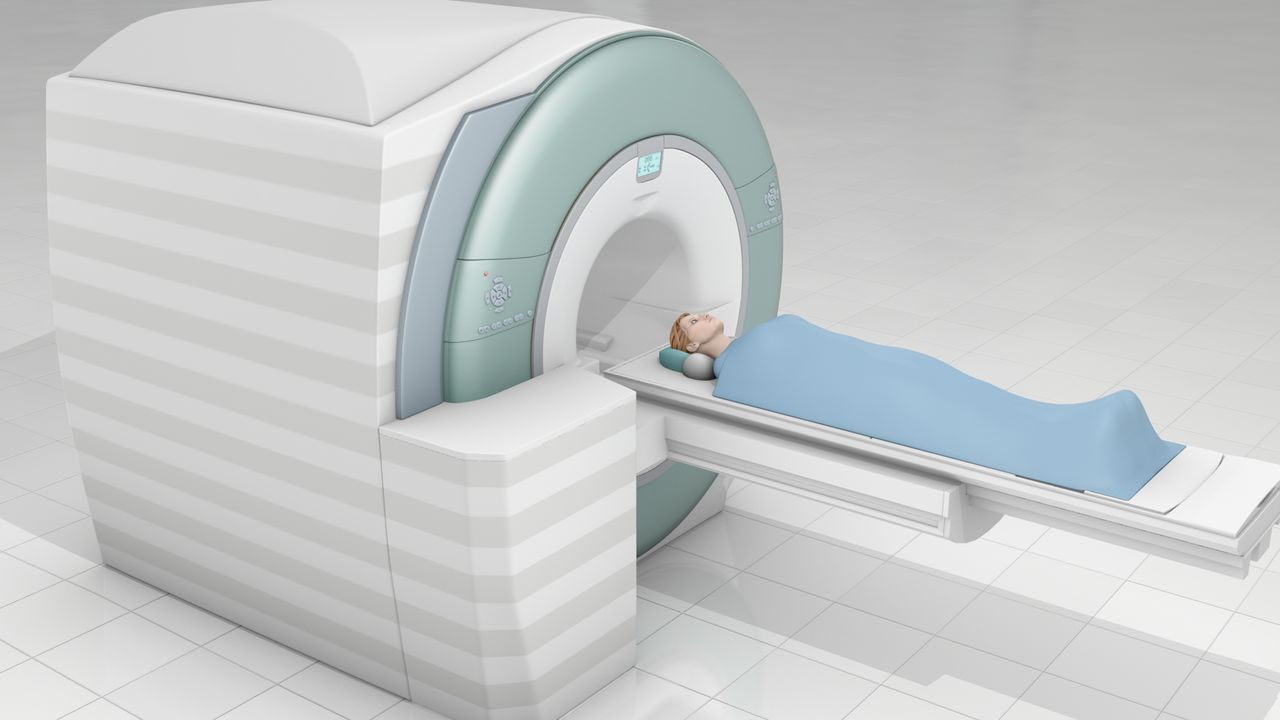
If you have neck pain after a car accident, you may wonder if an MRI is necessary to diagnose it. If you’ve been told about herniated discs after motor vehicle accidents, you may want to know if an MRI is the best way to diagnose it. However, diagnosing whiplash pain can be a complex issue, and MRI scans may not always provide the answer.Research published in 2008 in European Spine Journal by Kongstead et al (1) concluded that MRI is not the answer to the diagnosis of pain in most of the patients that develop long-lasting pain after a whiplash injuryPatients who experience long-lasting pain after a whiplash injury often do not show trauma-related findings in an MRI scan. Trauma-related MRI findings, such as fractures, dislocations, disc separation from vertebral endplates, bleeding, spinal cord injury, and cord compression, are not very common in the majority of MRIs. However, the findings of disc bulges and herniations are very common, and the presence of these findings in asymptomatic MRIs raises questions about the origin of the pain.Whiplash injuries are believed to be a more complex phenomenon resulting from tissue injury at the time of the accident, followed by neuromodulation, central hypersensitivity, lowered pressure pain threshold, and hyperalgesia (2). These mechanisms will maintain a heightened state of pain, lower activity participation, increased muscle tension, movement impairments, etc. Therefore, whiplash injuries must be evaluated by clinicians trained in traumatic injuries. Clinical assessment often reveals positive findings of muscle spasms, trigger points, altered muscle activation patterns, impairments to the range of motion, nerve involvement, strength deficits, and other factors. The majority of which will not be revealed on MRIs. While MRIs are very necessary for more catastrophic injuries and non-resolving pain, a careful physical examination by trauma-trained physicians and physical therapists is always important.A well-developed treatment plan should combine your MRI results with clinical examination to provide the most effective improvements. Therefore, it is important to understand the complexities involved in whiplash injuries and what they could mean for patients.#crashtocure References: 1. Kongsted A, Sorensen JS, Andersen H, Keseler B, Jensen TS, Bendix T. Are early MRI findings correlated with long-lasting symptoms following whiplash injury? A prospective trial with 1-year follow-up. Eur Spine J. 2008;17(8):996-1005. doi:10.1007/s00586-008-0687-92. Astrup J, Gyntelberg F. The Whiplash Disease Reconsidered. Front Neurol. 2022;13:821097. Published 2022 Mar 10. doi:10.3389/fneur.2022.821097″Advance Therapy blogs and clinical information are educational resources by Advance Therapy clinical employees. The content provided here represents the opinion of the individual author based on their expertise and experience. The content provided in this blog is for informational purposes only, does not constitute medical advice, and should not be relied on for making personal health decisions.”
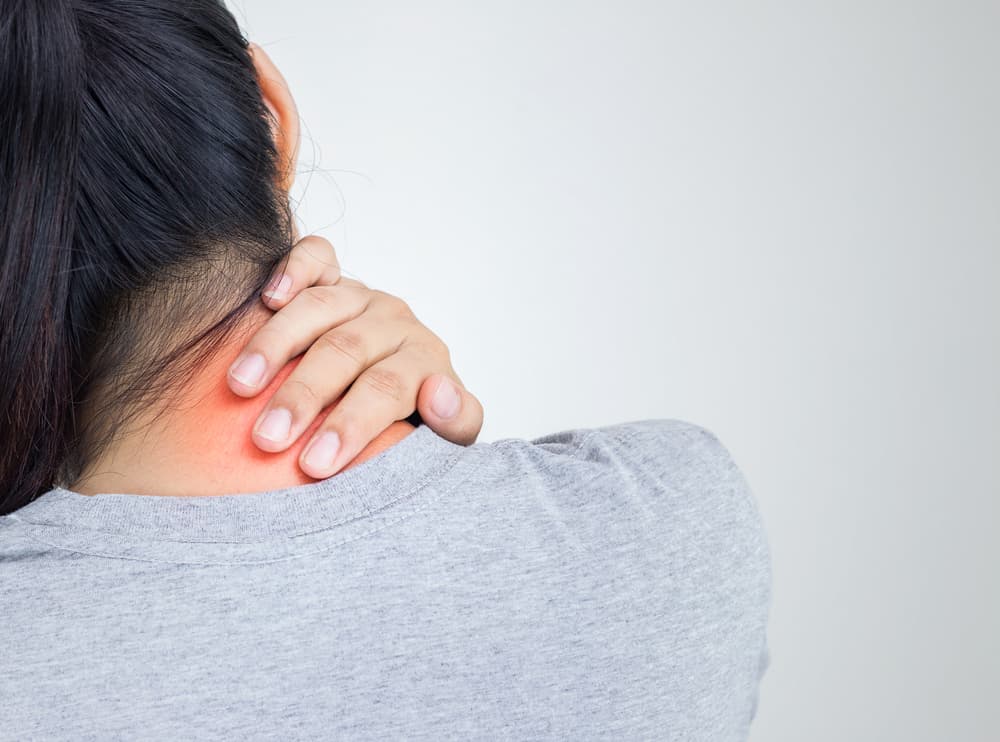
Whiplash Mystery: Unmasking Shoulder Involvement
Have you been experiencing an increase in neck pain after lifting or carrying light weights?Thinking of returning to lifting after a car crash injury?If you have, it’s essential to understand that whiplash injuries to the neck can impact more than just your cervical spine. Such injuries can affect your shoulder girdle and thoracic spine as well. This is why a thorough assessment at a physical therapy clinic is crucial to measure the function and integrity of your entire upper quadrant.Research has shown that after a traumatic neck injury, the muscle activity of your shoulder and scapular muscles, such as the rotator cuff and serratus anterior, can change significantly. These changes also affect the thoracic spine and result in a lower pressure pain threshold (PPT).1,2 Pressure Pain Threshold is the minimum pressure required to induce pain.In other words, you may experience heightened pain responses to lighter activities, such as carrying a grocery bag. Changes are noticed in the muscles on both sides of the injury(side of impact and opposite side), trauma to the tissues at the side of the impact can cause contralateral overuse and trigger points to the muscles that connect the neck with the spine and shoulders.To address these deficiencies, physical therapists trained in treating traumatic injuries can develop a treatment plan to help you return to your regular activities, including lifting weights or engaging in sporting activities that require significant upper body and shoulder workouts. Consulting with your sports medicine doctor or physical therapist is crucial to screen for any associated upper quadrant involvements.In conclusion, it’s essential to seek proper assessment and treatment for whiplash injuries that can impact your entire upper quadrant. With the right treatment plan, you can return to your regular activities safely and effectively. #crashtocure #advancephysicaltherapy References: 1. Christensen SW, Hirata RP, Graven-Nielsen T. Altered pain sensitivity and axioscapular muscle activity in neck pain patients compared with healthy controls. Eur J Pain. 2017;21(10):1763-1771. doi:10.1002/ejp.10882. Christensen SW, Hirata RP, Graven-Nielsen T. Bilateral experimental neck pain reorganize axioscapular muscle coordination and pain sensitivity. Eur J Pain. 2017;21(4):681-691. doi:10.1002/ejp.972″Advance Therapy blogs and clinical information are educational resources by Advance Therapy clinical employees. The content provided here represents the opinion of the individual author based on their expertise and experience. The content provided in this blog is for informational purposes only, does not constitute medical advice, and should not be relied on for making personal health decisions.”

Whiplash V. Whiplash Associated Disorder
The term soon began to be utilized as a condition rather than the force itself. The term Whiplash Associated Disorder (WAD) encompasses the collective symptoms that affect the head and neck after a Whiplash injury. So, Whiplash is a force whereas WAD is termed to describe the conditions and presentation of the injury.Any delays in getting evaluated and treated by a licensed physical therapist result in impaired cervical mobility, pressure hypersensitivity, the development of chronic pain, trigger points in the neck and arms, and headaches. It is not a surprise that whiplash injuries, though significantly painful, are often accompanied by diagnostic workups without any major structural pathology to the spine. The reason behind this is the complex phenomenon of how pain is generated, and transmitted and the associated factors that make it intense.Whiplash Associated Disorders are classified into the following categories by the Quebec Task Force Grade 0 : No complaint about the neck. No physical signs. Grade I : Neck complaint of pain, stiffness or tenderness only. No physical sign(s). Grade II : Neck complaint AND musculoskeletal sign(s). Musculoskeletal signs include decreased range of motion and point tenderness. Grade III : Neck complaint AND neurological sign(s). Neurological signs include decreased range of motion and point tenderness. Grade IV: Neck complaint AND fracture or dislocation. Higher grades in WADs will require more intensive treatments and longer recovery and may have a poor prognosis.Licensed physical therapists with knowledge of this area will perform careful examinations to evaluate the structures involved, source of pain, mobility restrictions, musculoskeletal and neurological signs, neurodynamics, palpable tenderness, pressure sensitivity, vertebrobasilar insufficiency, etc.Grade 1-3 WADs are usually successfully treated with multimodal physical therapy interventions with notable improvements in cervical spine pain, headaches, neurological signs, musculoskeletal signs, range of motion, strength, etc.Referrals are made to specialists when tested positive for neurological involvement, grade 4 WAD, positive sign for VBI, or worsening symptoms. References: Fernández-Pérez AM, Villaverde-Gutiérrez C, Mora-Sánchez A, Alonso-Blanco C, Sterling M, Fernández-de-Las-Peñas C. Muscle trigger points, pressure pain threshold, and cervical range of motion in patients with high level of disability related to acute whiplash injury. J Orthop Sports Phys Ther. 2012;42(7):634-641. doi:10.2519/jospt.2012.4117 Pastakia K, Kumar S. Acute whiplash-associated disorders (WAD). Open Access Emerg Med. 2011;3:29-32. Published 2011 Apr 27. doi:10.2147/OAEM.S17853″Advance Therapy blogs and clinical information are educational resources by Advance Therapy clinical employees. The content provided here represents the opinion of the individual author based on their expertise and experience. The content provided in this blog is for informational purposes only, does not constitute medical advice, and should not be relied on for making personal health decisions.”